
As part of their ongoing mission to help clients stay ahead of the competition in a fast-paced, constantly evolving marketplace, the field teams in Publicis Commerce’s Retail Consultancy closely monitor the strategic activity taking place across all key retailers and channels.
Each month, the teams compile Marketplace Assessment reports on the retailers (including Walmart, Target, Amazon, and Kroger) and channels (such as Regional Grocery, C-Store, Club, Pet, Beauty, and On-Demand Delivery) that are most important to the business success of our clients. The following report outlines noteworthy events across 11 key retailers from the team’s most recent round of assessments. (To receive copies of the full reports, contact EVP-Retail Consultancy Kandi Arrington at [email protected].)
____________
Albertsons Outlines AI Priorities
The digital customer experience and merchandising intelligence are two of the four areas of focus Albertsons has targeted for AI implementation in 2026. The retailer is leaning on the technology to deepen loyalty, boost engagement, grow sales, and optimize promotions, pricing, and stocking decisions. The goal is to encourage shoppers to engage more broadly across Albertsons’ omnichannel ecosystem with the intent of multiplying lifetime value, executives told Progressive Grocer.
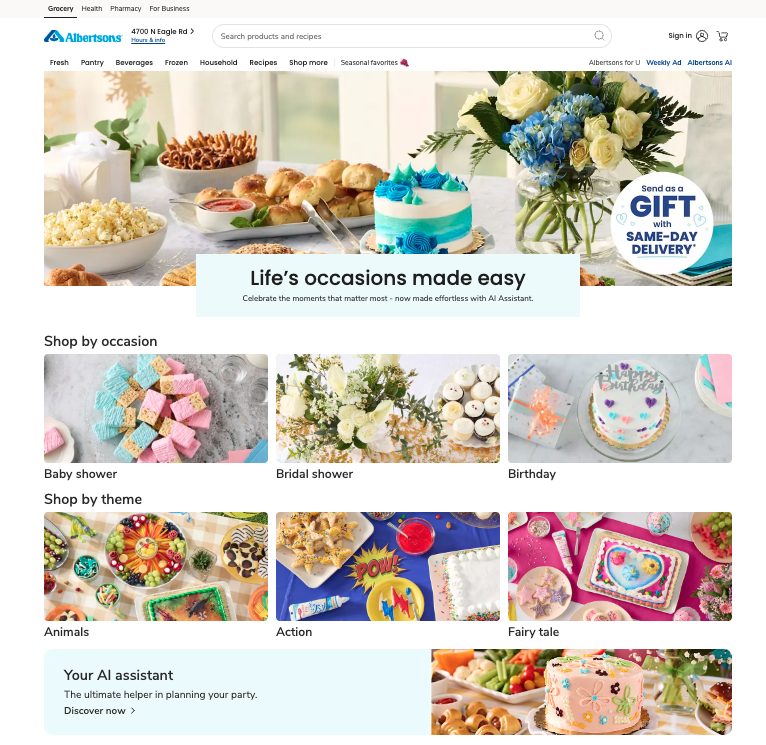
Core shopper-focused efforts include the “Ask AI” search tool and a new “Celebrations” party-planning hub embedded directly into websites and apps for all Albertsons banners that incorporates the retailer’s AI shopping assistant to guide planning and provide personalized recommendations. “It’s about our ability to leverage data and AI to build a deeper and more lasting relationship with the customer by creating more curated experiences digitally, but also in the stores,” said CEO Susan Morris.
Rounding out the AI focus areas are internal initiatives involving labor productivity, as well as supply chain and demand forecasting, Morris said.
Relevance: Despite recent leadership changes throughout the organization, Albertsons has been one of the largest grocers to publicly lay out a broad digital transformation strategy around AI, illustrating how traditional retailers continue reinventing themselves to compete with ecommerce and tech-driven chains by upgrading shopper experiences and internal operations. The new Celebrations hub, for example, taps into high-intent, high-basket-ring, multi-department shopper moments by consolidating multiple categories under a single behavior: planning an event. The initiative suggests where shopper engagement and retail media are both headed: curated experiences, personalized planning tools, and a deeper integration of inspiration with commerce.
Opportunity: Albertsons’ sweeping AI initiatives create pathways for brands to engage shoppers across all touchpoints, online and in-store. The curation of full celebration “solutions” naturally showcases complementary products, driving cross-category exposure. AI-driven recommendations also provide scalable personalization as they direct shoppers to themes, products, and offers. Initiatives like this could open new opportunities for branded placement, sponsored recommendations, and basket-building influencer moments. Brands should develop themed content or product bundles that connect with mission-based journeys.
____________
Best Buy Courts Agentic Discovery
Best Buy is working with multiple AI platforms to position itself at the forefront of agentic discovery, CEO Corie Barry explained on a recent earnings call. In addition to evolving its website to be more third-party agent-friendly in general, the retailer is specifically:
- Working with OpenAI to make the Best Buy product catalog discoverable on ChatGPT and participate in the platform’s budding advertising program.
- Leveraging Google’s new Universal Commerce Protocol to build a new way for shoppers to purchase directly in AI mode within Google Search and the Gemini app.
- Launching a native checkout integration with the Wizard AI-powered shopping assistant.
“As agentic commerce matures, we want to serve our customers in new ways, both on and off platforms,” which includes “ensuring our site is ready for AI agents to browse and discover on behalf of our customers,” Barry said.
Relevance: In addition to the agentic commerce initiatives, Best Buy’s efforts to prioritize the omnichannel shopper experience include in-store investments, Barry indicated. This year, the retailer plans to open six new locations (while closing two), which would represent its first domestic store growth in more than a decade.
Opportunity: Working with large third-party agentic search platforms can increase visibility as adoption grows among consumers and these agents become a critical aspect of product discovery and purchase decision-making. Brands should support Best Buy’s efforts to optimize product content for agent selection and ensure a consistent, helpful shopping experience.
____________
Target Charts a Turnaround
Target recently allocated an additional $1 billion to fund its multiyear turnaround plan, which already consisted of $5 billion in capital expenditures that will include 40 new stores and some 130 full remodels in 2026. The retailer’s overall growth priorities include updating the in-store experience and investing in digital discovery while strengthening key areas of the product assortment to deliver a differentiated merchandise mix.
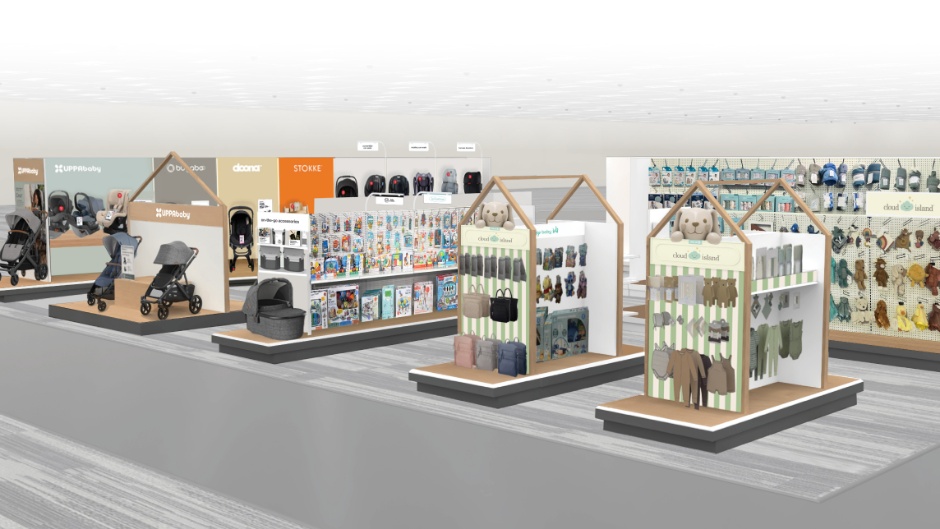
Modernizing product displays is a big part of Target’s merchandising plan. In March, the retailer rolled out an upgraded “Baby Boutique” to some 200 stores that features premium brands, interactive displays, and a reimagined gifting area. These locations will also host events throughout the year and are piloting a free “Baby Concierge” service that provides scheduled in-person guidance from vetted experts supplied by Tot Squad, a service marketplace for parents.
This fall, the retailer will also introduce a “Target Beauty Studio” space to roughly 600 stores. That move follows the “Spring Beauty Studio” hosted by the SoHo concept store to kick off New York Fashion Week on Feb. 11 and tie the retailer’s recent assortment expansion to a culturally relevant moment.
Target also is increasingly linking the physical shelf to digital content, product education, and expanded online assortments via vertical blades, aisle violators, endcap side panels, and other signage containing QR codes.
Relevance: Assuming the reins of a turnaround plan that launched before he stepped into the role on Feb. 1, CEO Michael Fiddelke is joined by, respectively, new merchandising and operating chiefs Cara Sylvester and Lisa Roath, reinforcing the shift toward a more experience-led, digitally integrated retail strategy. The approach aligns with a broader industry trend in which retailers are reasserting the role of physical stores as engagement centers, blending merchandising, services, and digital touchpoints to create more cohesive omnichannel experiences.
Opportunity: As Target seeks to woo shoppers in stores and online, connected shelf solutions and experiential displays give brands opportunities to link physical and digital marketing and drive even stronger engagement. It will be interesting to see how blending the in-store experience with digital tools and personalization impacts sales and trips. It will also be important to understand how the move to cross-category storytelling and lifestyle-based merchandising aids shopper discovery, engagement, and conversion.
____________
Walmart Shifts ChatGPT Strategy
Walmart is introducing a ChatGPT user experience that moves shoppers from product discovery within the third-party search agent’s native platform to a tailored Walmart environment where they can purchase products using their own standard Walmart shopper or Walmart+ loyalty accounts. It is already live on the internet, with access through the ChatGPT iOS and Android apps to follow shortly, OpenAI said in a release.
The new Walmart experience arrives soon after ChatGPT owner OpenAI rethought its own Instant Checkout functionality, which it said did not provide sufficient flexibility for retailers. OpenAI is instead enabling retailers to use their own checkout experiences while focusing internal efforts on product discovery through richer, more visual browsing functionality.
“By partnering closely with OpenAI, we’ve been able to learn together as we move quickly to shape what agentic commerce can become,” said Daniel Danker, EVP-AI Acceleration, Product & Design at Walmart. “[This] launch brings Walmart directly into the ChatGPT experience, combining leading conversational AI with the decades of retail expertise we’ve built serving customers.”
Relevance: ChatGPT’s new browsing functionality lets shoppers incorporate multiple factors — such as budget parameters, personal preferences (like fashion styles or favored brands) or needs (sizes or compatibility), and even inspirational images — into their prompts. Search results containing product images and key details are presented side by side. New protocols also allow users to refine results conversationally until they land on the right option.
Opportunity: As Walmart leans in on ChatGPT’s discovery facilitation, brand partners should continue to invest in agent-friendly, structured product data while running small tests and gathering insights on how to pull the right levers. This will become increasingly important as AI agents influence an increasing share of purchase decisions. The new purchasing flow could also unlock more ChatGPT-native advertising opportunities.
____________
Whole Foods Rolls Out Updated Dash Carts
Amazon will deploy its Dash Carts to about 25 Whole Foods Market stores by the end of 2026. The company recently revamped the proprietary smart carts to increase load capacity, expand payment options, and add a scale for weighing produce.
The cart’s screen now also includes a real-time tracker that presents how much shoppers are spending and saving; a store map to help them locate products; and personalized, store location-based deals, according to a corporate post. Shoppers can also sync their shopping lists from the Amazon Alexa platform to the cart.
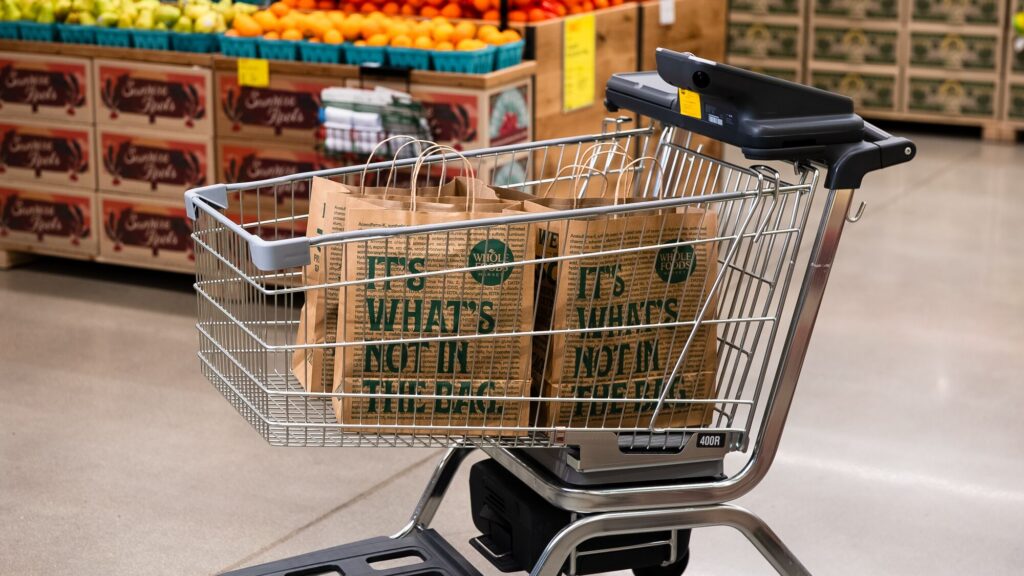
Dash Carts already deployed at three Whole Foods stores have assisted thousands of shopping trips and received an “encouraging” response from shoppers, said Jason Buechel, Amazon’s VP for Worldwide Grocery Stores, in a LinkedIn post.
Relevance: As agentic commerce grows online, intelligent automation is also evolving the in-store experience. Amazon introduced the Dash Cart at its first Amazon Fresh brick-and-mortar store in 2020 and has made it available to other retailers since 2024 — although Instacart’s similar Caper Cart has gained greater adoption from grocers.
Opportunity: Brands should work with their Whole Foods partners to ensure that product images, names, and promotions are updated and available through the Dash Carts, and also investigate any opportunities to run promotions or pilot other engagement programs.
____________
Kroger Expands Large-Format Stores
Kroger is doubling down on its large-format Marketplace concept as a strategic pillar of growth, having recently announced plans to add multiple locations even as it closes more traditional supermarkets. At 100,000-plus square feet, Marketplaces are generally twice the size of a typical Kroger store and offer an expanded mix of general merchandise alongside the standard grocery assortment.
Over the next two years, Kroger will open additional Marketplace locations in Indiana, Texas, Ohio, and West Virginia — marking the concept’s first entry into that last state.
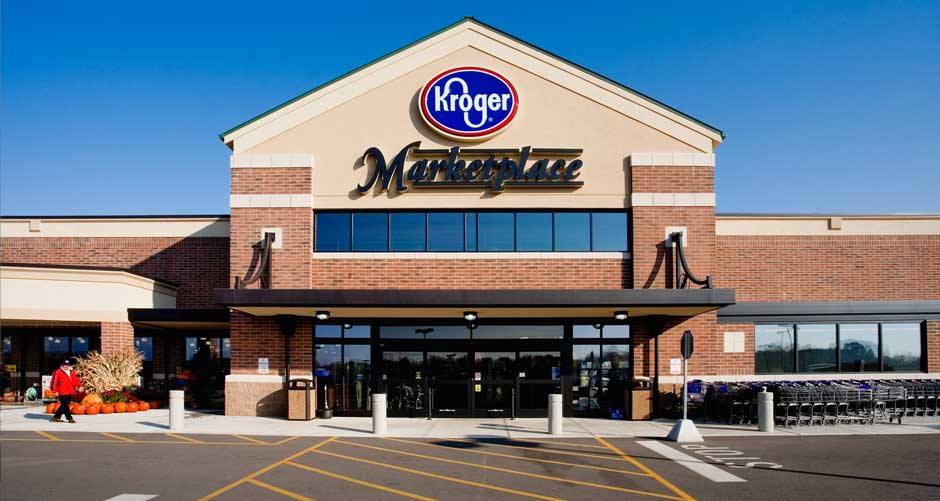
Relevance: After years of holding off on expanding the concept, Kroger is now using Marketplace stores to differentiate itself through experiential, destination-style retail that blends grocery and lifestyle offerings to broaden relevance and capture a greater share of consumer spending — at a time when many competitors are downsizing. The plan also underscores the ongoing reinvention of physical retail even as ecommerce and on-demand delivery grow.
Opportunity: Larger stores provide incremental opportunities to engage shoppers with cross-category displays and expanded assortments. As aisles grow and adjacencies multiply, brands can support discovery and encourage add-on purchases.
____________
Family Dollar Tests Smaller Format
Family Dollar this year will pilot an “XSB” (“extra-small-box”) store format designed to expand its presence in dense urban markets. The format will become a major part of the store expansion plan in 2027 and beyond.
“We are focused on simplifying the business, improving execution in our stores, and ensuring we are positioned to serve our customers and communities for the long term,” CEO Duncan MacNaughton said in a release.
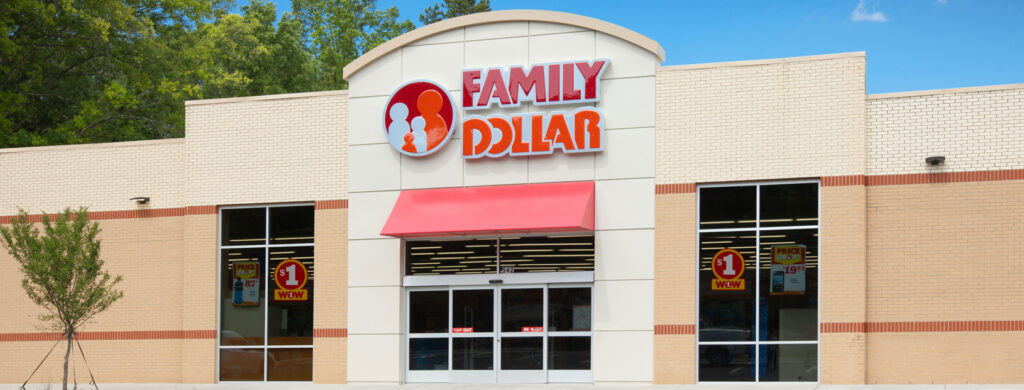
Relevance: Expansion into high-density neighborhoods is one aspect of a broader strategic plan that also includes merchandising, supply chain, and technology initiatives designed to help Family Dollar strengthen the core business following its separation from Dollar Tree in mid-2025.
Opportunity: Smaller, urban-friendly stores offer a focused but high-impact opportunity to connect with city residents. Due to the constrained shelf space and higher-traffic environments, brands that prioritize high-velocity SKUs, compact packaging, and clear value messaging will be better positioned to win in these stores. Trial-size, grab-and-go, and immediate-consumption products should be especially appropriate.
____________
Dollar General Updates Store Layout
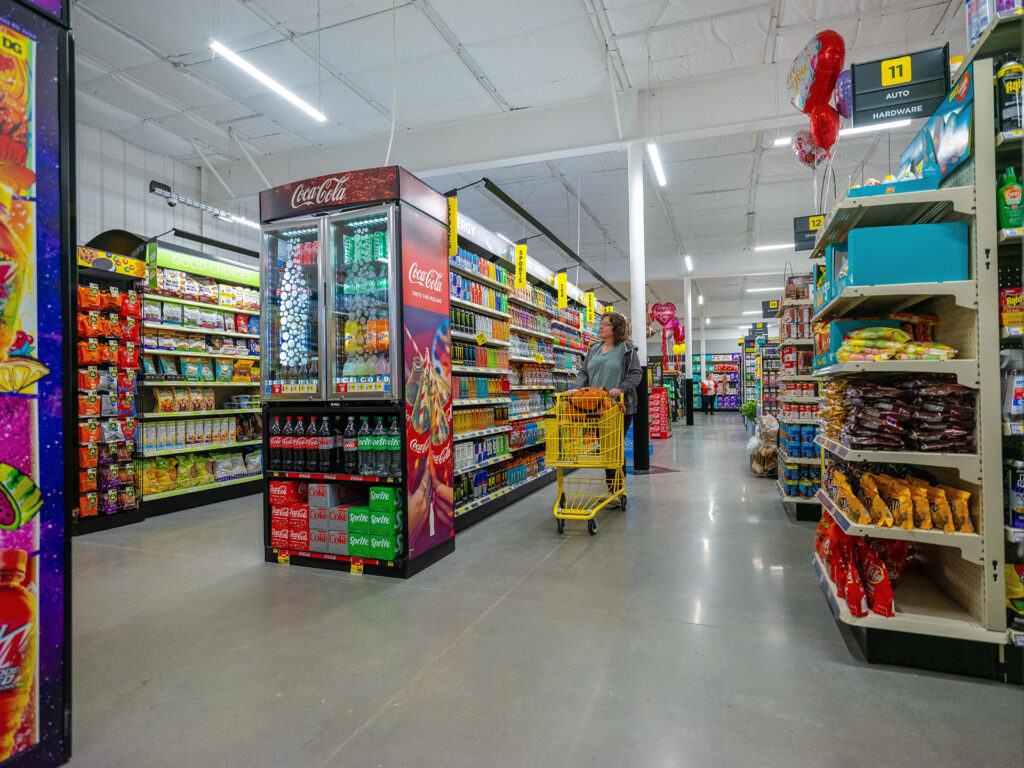
As part of broader efforts to increase comparable-store sales, Dollar General this year will introduce a reimagined layout designed to increase browsing and treasure hunting by exposing shoppers to more categories.
The retailer tested the approach in select 2025 remodel projects and saw stronger sales lift and other measurable improvements compared with traditional remodels, CEO Todd Vasos said during a recent earnings call. “Ultimately, we believe this format will help drive both increased transactions and [average] ticket as the store provides for an even fuller fill-in trip.”
Relevance: Dollar General is seeking to increase sales of nonconsumable products with new merchandising programs that can boost discretionary categories. The retailer’s plans include launching a loyalty program for specific categories, adding at least 15 new brands to the merchandising mix, and promoting more prominently through shoppable social marketing.
Opportunity: Brands should align with Dollar General’s strategy by leaning into discovery-driven merchandising and value storytelling. As the retailer evolves its loyalty strategy, brands should seek early participation to gain visibility and access to these high-frequency shoppers.
____________
Loblaw Expansion Favors Discount Stores
Loblaw Companies is allocating C$2.4 billion in 2026 to expand and renovate its store network and enhance supply chain capabilities. The company will open 70 stores and renovate 191 locations this year. The expansion will cover every region in Canada and include 34 Shoppers Drug Mart and Pharmaprix locations, as well as 31 discount No Frills and Maxi stores.
“Momentum continues to build across the hard discount stores we added to our network through conversions and new builds, proving that our strategy is resonating very well with Canadians,” said CFO Richard Dufresne on a recent earnings call.
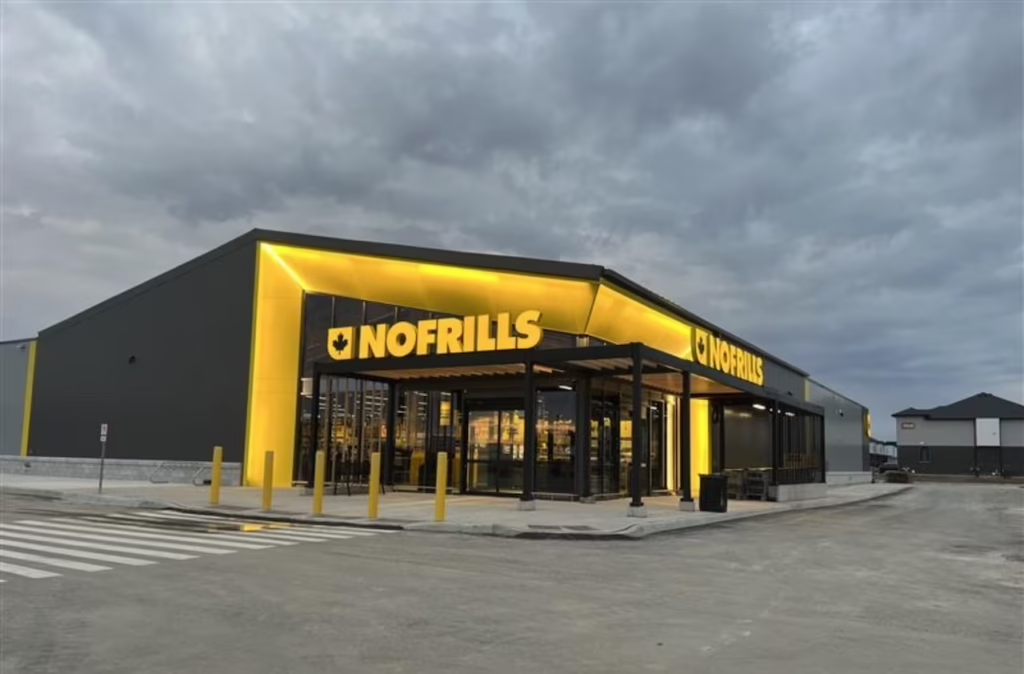
The retailer’s growth plans also include adding five Asian product-focused T&T Supermarket stores in California, expanding on the two U.S. locations it currently operates in Washington.
Relevance: Loblaw is in the second year of a commitment to invest $10 billion to grow its footprint through 2030. Plans in 2025 involved 300 renovations and 80 store openings, including 50 discount banners that reflected a shift among Canadian shoppers toward value-focused grocers as household budgets remained under economic pressure. The company currently operates some 2,500 stores under a portfolio that also includes the flagship Loblaws, No Name, Real Canadian Superstore, and Joe Fresh banners.
Opportunity: As shoppers trade down, brands can support Loblaw’s growing discount store footprint by highlighting clear pricing, promotions, and private-label differentiation. Targeted assortments and messaging tailored to value-driven shoppers can help brands remain relevant in these locations — and elsewhere across the Loblaw portfolio.
____________
Wakefern Modernizes Loyalty
Wakefern Food Corp. is adopting software company Eagle Eye’s AI-powered loyalty and personalization platform. Expected to go live mid-year, the cloud-based system will move the grocery cooperative away from its legacy POS-based loyalty approach, allowing brand partners to more efficiently design, launch, and optimize shopper engagement through retail media activation, Eagle Eye said in a release.

Centralizing Wakefern’s loyalty management will enable delivery of personalized promotions and gamified challenges to individual shoppers, according to the release. It also allows for banner-specific flexibility while ensuring consistency and control at scale throughout the cooperative’s footprint. Wakefern oversees roughly 380 supermarkets in nine East Coast states under banners including ShopRite, Price Rite Marketplace, The Fresh Grocer, Fairway Market, Gourmet Garage, Di Bruno Bros., and Morton Williams.
While omnichannel growth is the primary goal of the upgrade, data monetization is also an objective, Wakefern’s Chief Sales Officer, Darren Caudill, told Grocery Dive. “[Eagle Eye] will help us deliver a great customer experience while driving incremental sales and creating new opportunities for Wakefern to provide meaningful value to our CPG partners,” he said. The cooperative prioritized a vendor that could provide a standardized data foundation across all banners while giving the larger chains — which have distinct go-to-market strategies — the opportunity to handle their loyalty members uniquely, he explained.
Relevance: Wakefern’s move to a centralized, AI-powered loyalty platform underscores how retailers can better unify data and personalization across the enterprise while preserving flexibility for individual banners. By moving beyond legacy POS systems, the cooperative can deliver more consistent omnichannel experiences — ensuring shoppers receive the same personalized offers through in-store and digital touchpoints — while giving marketing teams greater speed to launch, test, and refine targeted promotions. Together, these capabilities position loyalty as a stronger growth driver.
Opportunity: Wakefern explicitly aims to create stronger opportunities for brand programs through the new platform, enabling the retailer to deepen collaboration by activating richer first-party data. Data-driven personalization can support more sophisticated audience segmentation (lapsed, competitive, high-value buyers) and strengthen closed-loop measurement and ROAS visibility, laying the foundation for expanded retail media capabilities.
____________
BP Adds Digital Manufacturer Coupons
Convenience store/fuel station operator BP has added a brand-funded digital coupon program to its Earnify shopper app. Powered by Inmar Intelligence, the program was developed with retail media aggregator Axonet, whose network BP joined last year. A full first-quarter launch was slated to follow an initial pilot in January.
“We are enabling CPGs to effectively reach a new audience and drive in-store sales, all while providing BP’s loyal customers with a seamless way to save money,” said Rob Weisberg, President of MarTech at Inmar Intelligence. The coupons can be checked, clipped, and redeemed directly from mobile devices, according to a release. “We see this as the future of convenience and are excited about the opportunities ahead,” Weisberg said.
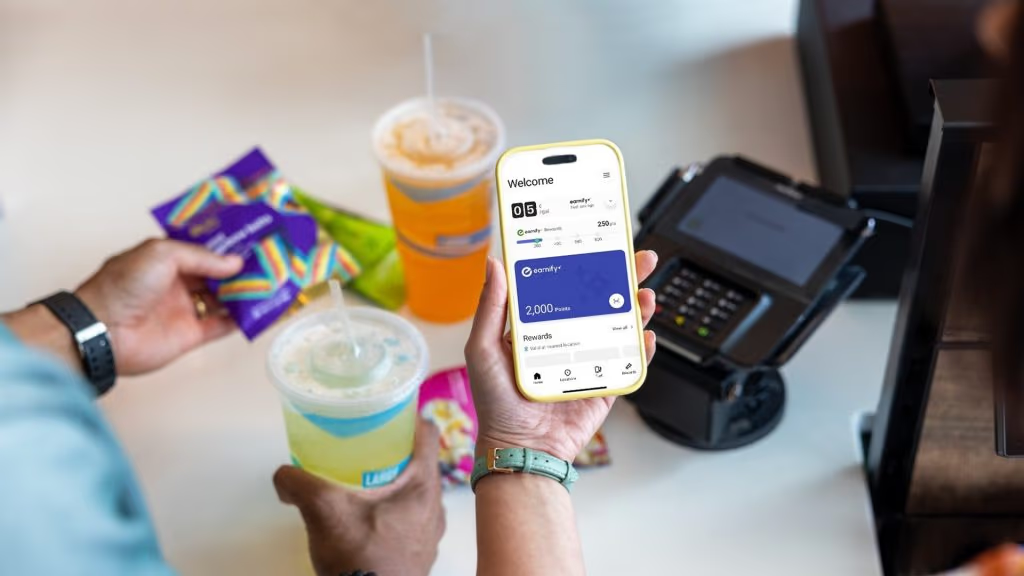
Relevance: The initiative is notable for introducing true brand-funded digital coupons — more common in the supermarket world — to the convenience channel, where shoppers have historically earned points redeemable for future purchases as their rewards (whether retailer- or brand-funded). It supports BP’s evolving retail media and loyalty strategy by creating a targetable option for brands looking to engage convenience-store shoppers with enhanced-value offers.
Opportunity: The integration gives brands another way to influence purchase in the high-frequency, impulse-driven convenience-store environment through targeted offers that also provide clearer visibility into redemption and sales. Complementing digital coupons with retail media campaigns or in-app promotions can help drive conversion and even repeat behavior within BP’s Earnify ecosystem.
____________
Publicis Commerce’s Retail Consultancy is an unrivaled team of in-market commerce experts who simplify the complexity of retail for our clients. Located in Bentonville, Minneapolis, Cincinnati, Chicago, Seattle, and the “backyards” of other key retailers, they provide deep knowledge of the retailer, expertise in key business areas (like strategy, media and creative), and door-opening personal relationships with key executives to deliver an unmatched level of business success for clients across accounts, channels, and shopper engagement platforms. For more information, contact EVP-Retail Consultancy Kandi Arrington at [email protected].