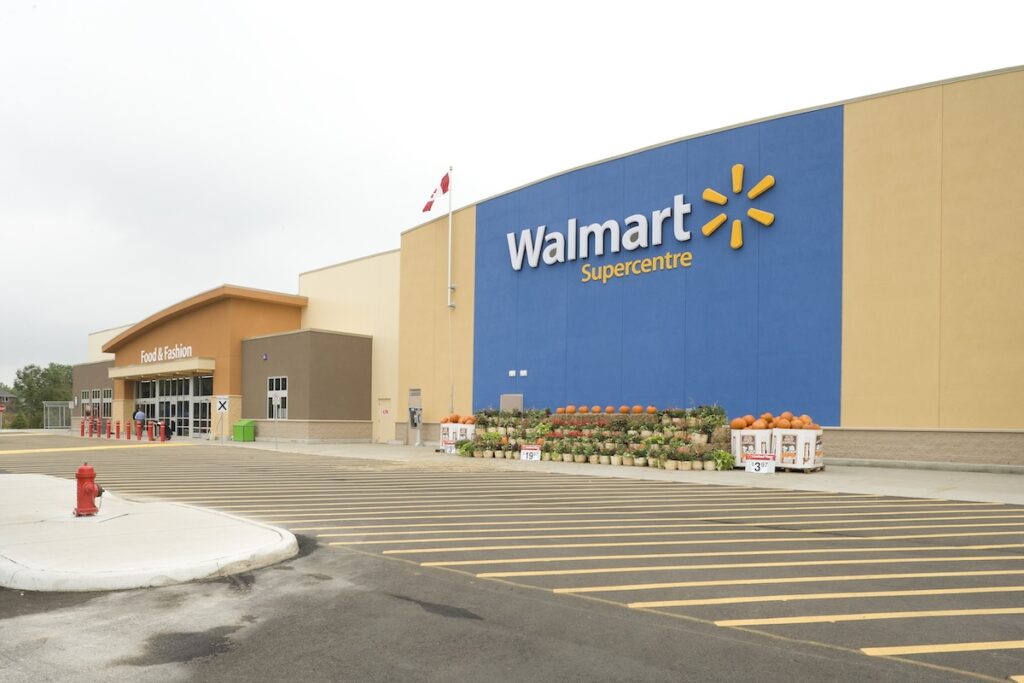

Six tips for building a mutually beneficial partnership with the world’s largest retailer.
“Our mission to help people ‘Save Money and Live Better’ is as true today as it’s ever been,” declared John Furner, while leading his first earnings call as global CEO after his recent ascension to the position.
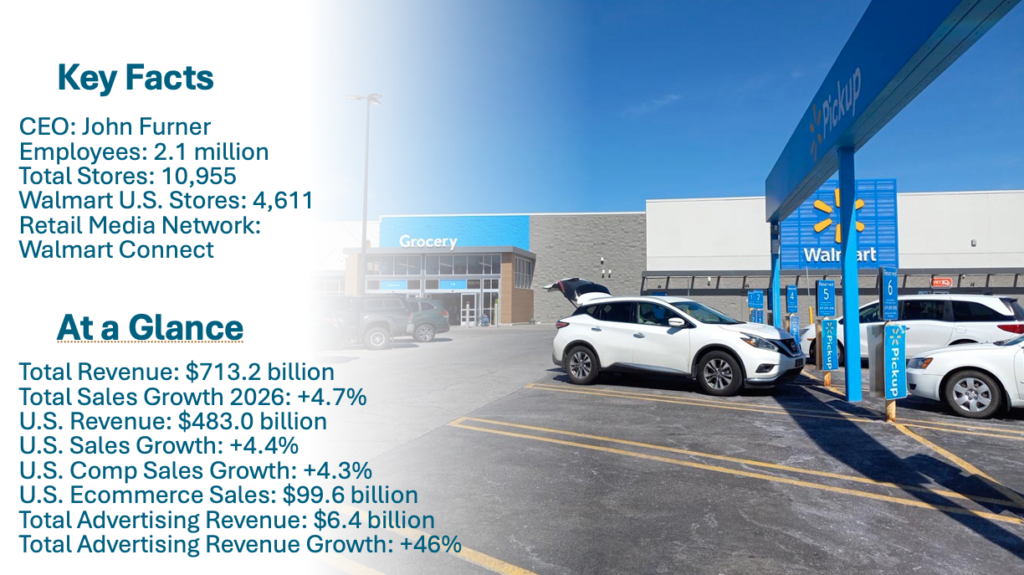
During the discussion, Furner cited Walmart’s reputation for value on a broad assortment of products, along with its status as a trusted company and, increasingly, a retailer defined by ultra-fast delivery and greater convenience as results of that mission-driven strategy.
Walmart continues to invest in technology to deliver on that brand promise. Recent efforts include enhancing generative AI-powered internal agents and building new customer experiences with partners like OpenAI and Google that are helping to shape the future of agentic commerce.
Shoppers who engage with the retailer’s consumer-facing agent, Sparky, generate order values approximately 35% higher than those who do not. The in-app tool uses advanced AI to interact conversationally, learn shopping intent, and provide personalized product recommendations. Furner expects continued acceleration in both customer adoption and its subsequent impact on commerce as Walmart expands Sparky to voice, in-store, and additional services.
“The way we’re using technology and AI is helping us to create great customer solutions, reduce friction, simplify decision-making, and pinpoint where our inventory is — all while maintaining the trust we’ve earned from our customers and [Walmart+] members,” Furner said.
A Focus on the Fundamentals
Walmart’s overarching strategy is built around four fundamental initiatives:
- AI-Driven Digital Engagement: The priority is hyper-personalization and AI assistance, including agentic commerce capabilities, to enhance the shopper experience and improve conversion. These capabilities also fuel data-driven monetization.
- Fast, Flexible Fulfillment: The aim is to maintain “Everyday Low Price” leadership while expanding convenience at scale through seamless omnichannel execution. This includes same-day, reliable order fulfillment via store-level delivery and curbside pickup.
- Higher-Margin Growth Businesses: The focus here is growing profit faster than sales through higher-margin revenue streams, including the inventory-expanding Walmart Marketplace, Walmart+ membership fees, and advertising — the last through continued expansion of the brand opportunities made available through the Walmart Connect retail media network.
- Automated Supply Chain & Operational Efficiency: The goal is to build durable cost and speed advantages through technology, including automated distribution and improved inventory discipline. The company is approaching peak investment in supply chain automation and store remodels, which brings increasing benefits to customer experience, operational efficiency, and financial returns.
Physical stores remain “a huge part of the solution,” Furner said, and will work in tandem with the retailer’s app to serve customers how and where they want to shop. Walmart opened 12 new stores and remodeled 674 locations in the U.S. over the past year, and plans to continue investing through a multi-year commitment to build or convert more than 150 additional stores by 2029.
Six Keys to Success
For brands seeking to build a strategic partnership with Walmart and a winning engagement strategy for the retailer’s shoppers, the following 6 recommendations are key:
- Focus on Price and In-Stock: Maintain alignment with Walmart’s EDLP expectations and ensure strong in-stock performance.Work closely with internal partners to maintain product availability in stores and online, especially for Walmart Connect campaigns where availability is critical for conversion.
- Make Shopping Easy: Make every touchpoint — in-store and online — simple and easy to shop. Take advantage of the shopper innovations Walmart has designed to reduce friction and speed up purchase decisions, including the Easy Reorder option, Scan & Go functionality, Walmart Pay for digital wallets, drone delivery through Wing and Zipline (in select markets), and services such as InHome Delivery alongside standard Pickup & Delivery.
- Leverage Walmart Connect Across the Full Funnel: Be present through all Walmart Connect touchpoints, building integrated campaigns across channels to support specific marketing goals. The retailer’s online and in-store levers offer different ways to reach shoppers, from the audiences available through the demand-side platform and keyword targeting for sponsored search ads, to the point-of-sale interaction of in-store demos and the trial-driving samples in Pickup & Delivery orders. A strong partnership with the network team will help maintain consistent visibility and conversion throughout the shopper journey.
- Collaborate Early on Shopper Solutions: Engage early with cross-functional stakeholders throughout the RMN, merchandising, and brand teams to initiate joint brainstorming, develop integrated marketing plans, and activate the strongest-possible assets. Highlight wins, share insights, and identify opportunities for category growth during the planning phase to align on key priorities and initiatives before activation.
- Reinforce Retailer-Led Initiatives: Participate in Walmart’s owned marketing initiatives throughout the year. Align brand activities with retailer priorities such as the “Who Knew?” marketing campaign — which focuses on the often-surprising breadth of products and services available — by bringing innovative new products relevant to Walmart shoppers.
- Focus on Category — Not Just Brand — Growth: Use data from Walmart’s Scintilla analytics platform to fully understand the customers for each of your brands in the context of their respective categories.Find opportunities to use your brand to drive category growth. Employ a mix of the tactics available to engage shoppers across their journey — from brand awareness and consideration to brand switching and loyalty — and ultimately grow basket size and the category overall.
____________
Mars United’s Retail Consultancy is an unrivaled team of in-market commerce experts who simplify the complexity of retail for our clients. Located in Bentonville, Minneapolis, Cincinnati, Chicago, Seattle, and the “backyards” of other key retailers, they provide deep knowledge of the retailer, expertise in key business areas (like strategy, media and creative), and door-opening personal relationships with key executives to deliver an unmatched level of business success for clients across accounts, channels, and shopper engagement platforms. For more information, contact EVP-Retail Consultancy Kandi Arrington at [email protected].