
By Doug Chavez, Mars United Commerce
For decades, physical availability meant one thing: is the product on the shelf? Then it meant two things: is the product on the shelf, and does it show up in search? Now it means three: shelf, search, and agent.
It’s the third one that most of the industry hasn’t reorganized around yet, and only a handful of brands have even started. Neither status is where you should be, because it’s not a future problem. It’s already live.
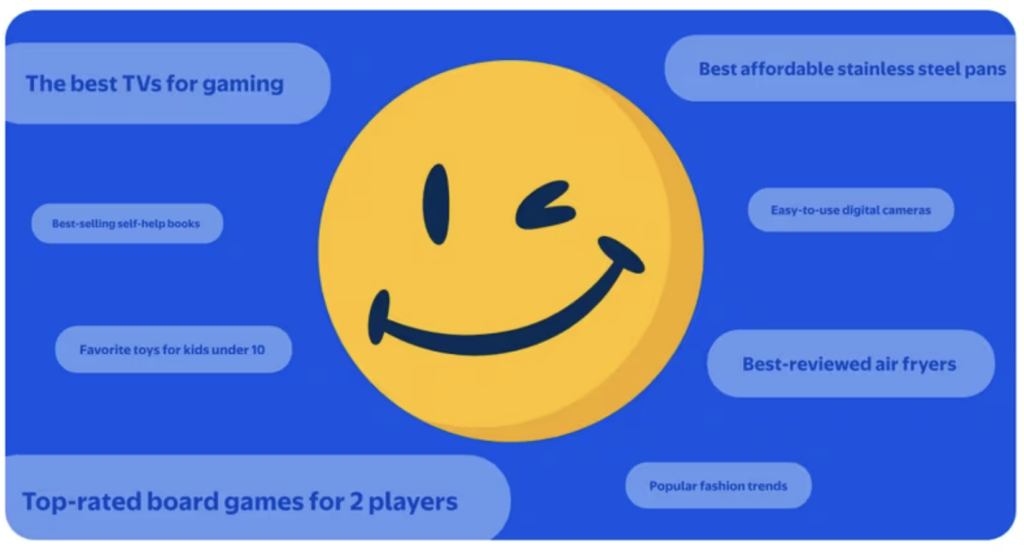
Here’s the underlying shift. An AI-enabled agent doesn’t browse a shelf the way a shopper does. It reasons over data and makes a recommendation on the shopper’s behalf. AI doesn’t have emotion. A shelf, whether digital or physical, is a place shoppers browse and evaluate. An API is not a place; it’s an interface a system calls to get a structured answer. That’s not a new audience added to an existing discipline; it’s a different mechanism entirely, and it changes what being “on the shelf” requires.
I’ve been developing this argument for several months now, on stage at The Athena Project in London, at the Velocity event at Northwestern University’s Medill School, and in ongoing client conversations on agentic commerce, AEO, and GEO strategy. The pattern holds everywhere I raise the issue: some organizations are treating this as a content problem when it’s actually an infrastructure and governance problem.
This builds on work the discipline of digital shelf optimization has been doing for years rather than moving in a new direction. Digital shelf analytics, the kind our partners at Profitero+ have been leading, teaches brands to treat content, availability, and pricing as measurable, optimizable inputs rather than static merchandising tactics.
That foundation is exactly right, and it’s exactly what makes the next shift legible. The skill of structuring data for a system to evaluate isn’t new. Only the system is new. An agent isn’t reading a shelf and forming an impression, it’s calling an interface and expecting a structured answer back. The discipline transfers even if the target doesn’t.
This is not the fragmentation story most thought leaders are telling, either. The common read is that the shopping journey is scattering across more surfaces, more channels, more places for brands to chase. I’d argue the opposite is happening: Intent isn’t fragmenting, it’s being disintermediated. A small number of AI systems are consolidating the decisions that used to scatter across 10 open tabs. What’s actually fragmenting is the supply side, brands, and retailers spread across 20 surfaces, 20 data formats, 20 scorecards that don’t reconcile with each other.

This reframe changes what retail media is selling. Its core product has always been placement: pay for position, win the impression. But an API doesn’t have impressions. It has requests and responses. If your product data isn’t structured for that exchange, no amount of media spend buys you into the recommendation. Retail media’s real opportunity going forward, then, isn’t providing more inventory but becoming the layer that governs and licenses access to reliable data instead of just shelf space.
That shift opens a measurement blind spot most organizations aren’t built to close. If the decision happens inside an agent’s reasoning rather than on a page, the clickstream data that fuels attribution models simply doesn’t exist for that transaction. You cannot govern what you cannot measure. That’s not a slogan, it’s the operating constraint every brand and retailer is about to run into, whether they’ve noticed yet or not.
The mandate is clear. Treat product data as infrastructure not content, built to be read by a machine, not just a person. Build a measurement spine that’s honest and independent, not borrowed from a platform’s own reporting. And do it now, because the shelf has already changed — most organizations just haven’t updated their definition yet.
About the Author
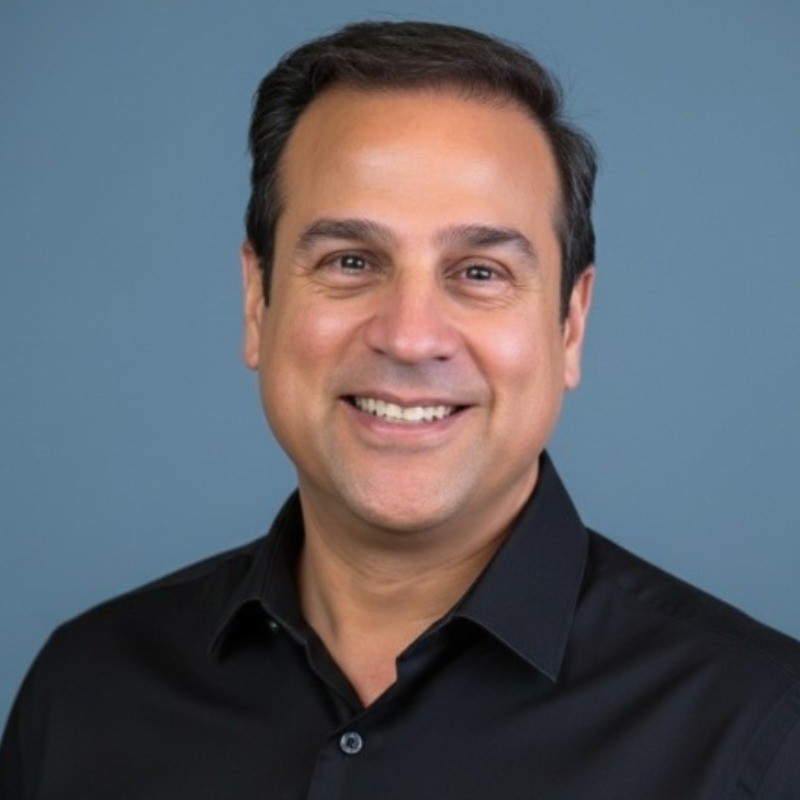
Doug Chavez is EVP, Global Retail Channel Strategy at Mars United Commerce, where he leads connected commerce for the global OneMars business. With more than two decades of experience across agencies, platforms, and brands, he specializes in translating retail media complexity into integrated strategies that drive measurable growth at scale.
To continue the conversation, contact Doug at [email protected].