
Commerce marketers will never unlock the value of in-store media until they start incorporating the practice into the upfront strategic plan.
By Doug Chavez, Mars United Commerce
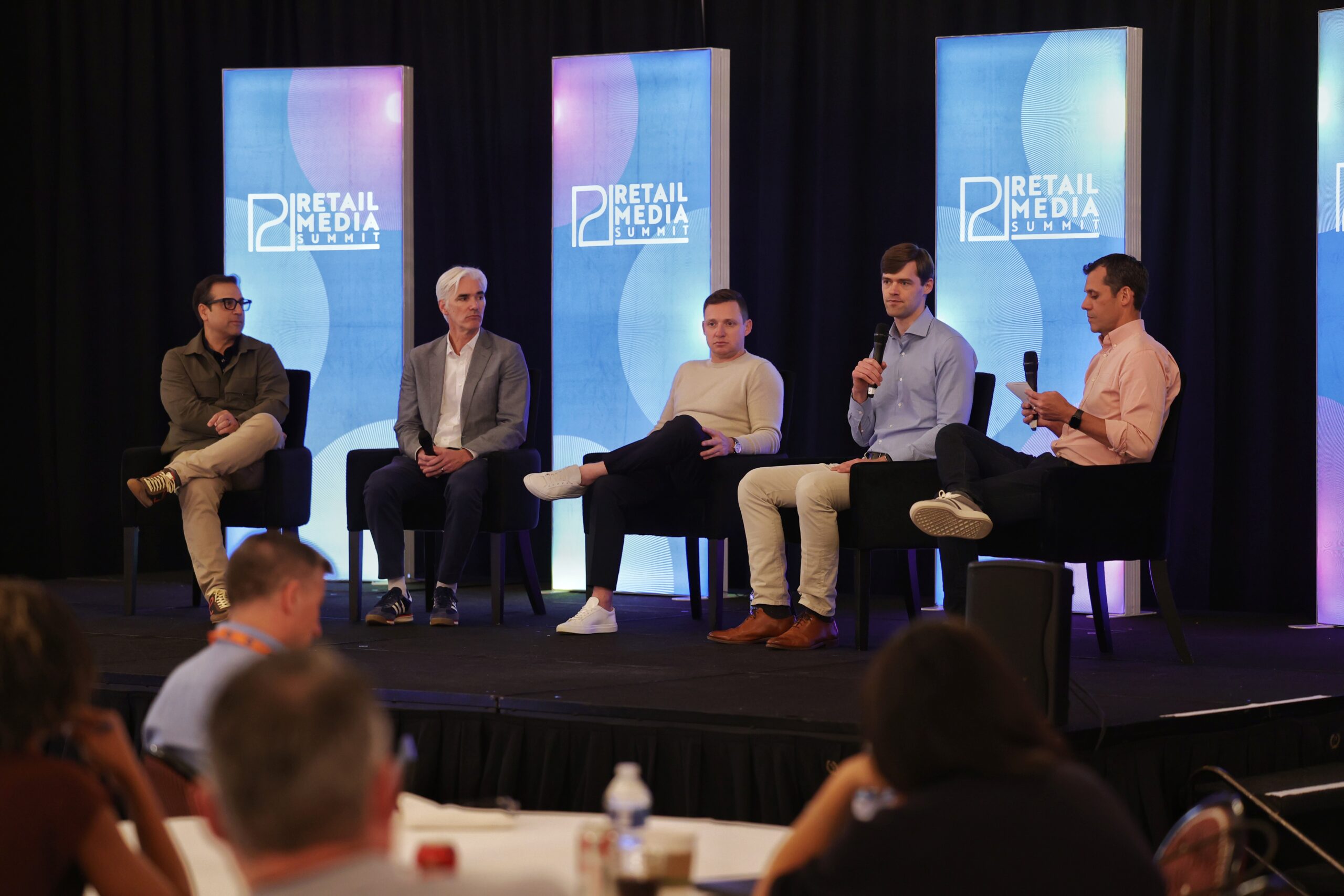
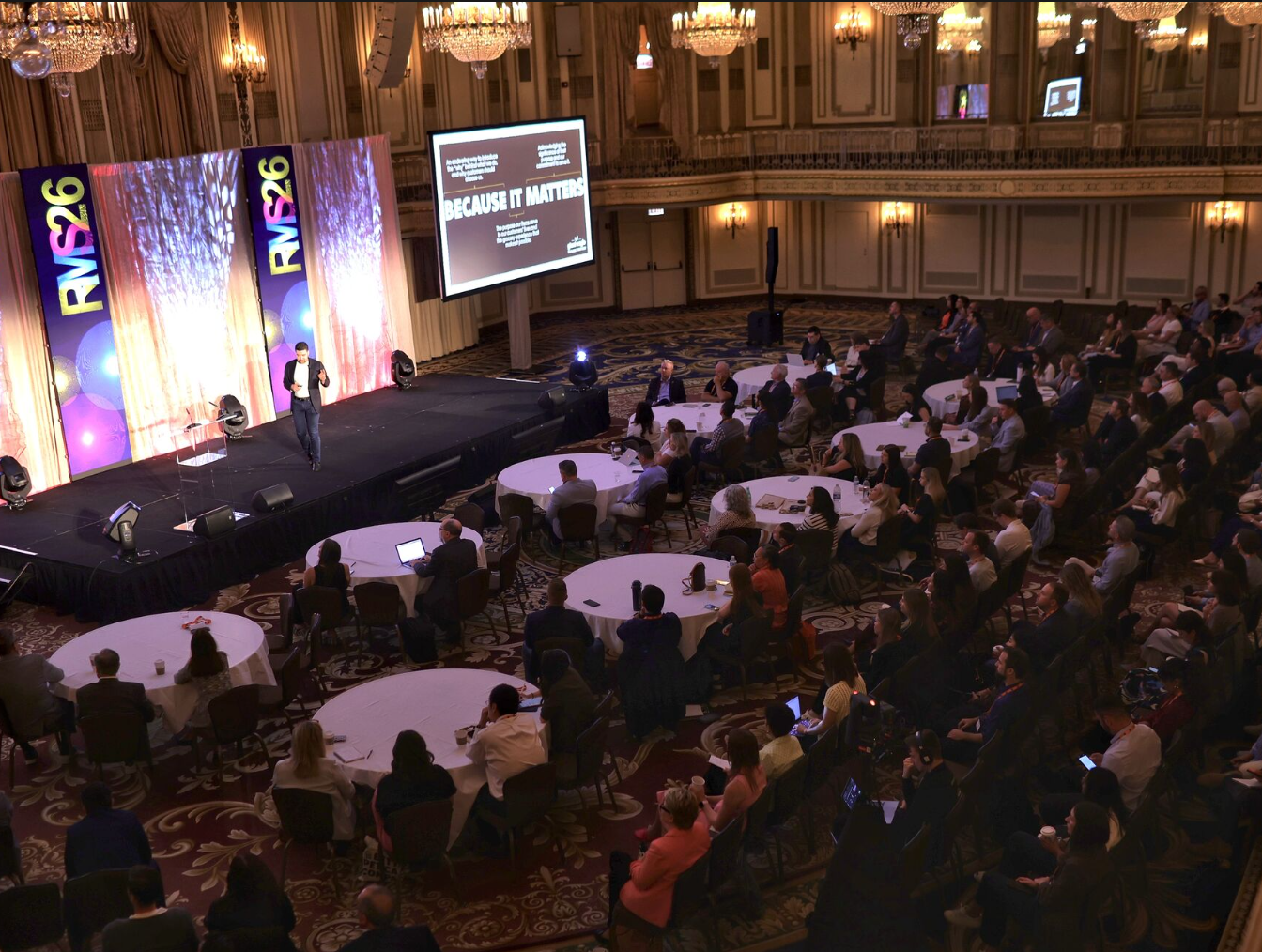
At the Path to Purchase Institute’s Retail Media Summit in Chicago last week, I joined industry leaders from CVS Media Exchange, Albertsons Media Collective, and Grocery TV to take on a question the industry keeps circling: Why is in-store retail media still underleveraged when the performance data is so strong?
My point of view is that the honest answer is uncomfortable. The gap isn’t about proof, as is often suggested. It’s about sequence.
In-store media can deliver full-funnel impact at scale. Shoppers are far more receptive than most marketers assume, since the screens are additive when they’re already primed for relevant messaging vs. being interrupted when they’re in, say, search mode online or on their phone.
Yet when budgets get set, the store often arrives last. It gets “bolted on” to the omnichannel plan after the strategy is locked and the dollars are already committed — as a line item, not a program layer or lever. And line items added downstream get treated as tactics and often get cut. And they’re not measured very well.
Planning in-store upstream at the start of the process can change these outcomes. When entered alongside brand, media, and shopper strategy, in-store shapes the plan instead of inheriting its leftovers. Budget gets allocated on purpose. Measurement is designed into the plan, not retrofitted later. All involved teams are engaged early — strategy, creative, clients, and retail partners — and programs are created with a full strategic view rather than as last-minute quick builds. Early integration is what separates a program that performs from a placement that just fills space.
Here’s the part most agency teams underplay in their focused roles: in-store gets sequenced late because many teams are siloed or lack the understanding to bring it in earlier. The way I see it, the problem has three parts:
First, it’s a strategist issue. Planning upstream requires someone who knows enough about in-store to build it into the strategy. If not, it’s appended downstream.
Second, it’s a retail expertise issue. Doing in-store correctly takes deep, current knowledge of each retailer’s media capabilities, shopper data, and in-store execution realities. Without those relationships, in-store can’t enter the conversation until the plan is already built. That’s where our Retail Consultancy strategists, paired with the broader team at Mars United Commerce, change the math. They operate inside the account, with institutional knowledge honed over years, and that type of deep insight puts in-store on the table from the start for our clients. (Granted, this team is one of our key points of differentiation in the marketplace.)
Third, it’s a creative issue. Most teams repurpose creative developed for other channels and expect it to work at the shelf. It doesn’t. Yes, in-store screens are increasingly digital, but that doesn’t mean you can take banner creative and make it bigger for a larger surface. In-store is a distinct environment with its own context, mindset, and moment of decision. You need creative crafted for in-store to move the shopper standing in the aisle.
The store is still where most sales are made. Marketers who get it into the plan early will be set up to win. Those who don’t will be left wondering why in-store didn’t deliver.
About the Author

Doug Chavez is EVP, Global Retail Channel Strategy at Mars United Commerce, where he leads connected commerce for the global OneMars business. With more than two decades of experience across agencies, platforms, and brands, he specializes in translating retail media complexity into integrated strategies that drive measurable growth at scale.