
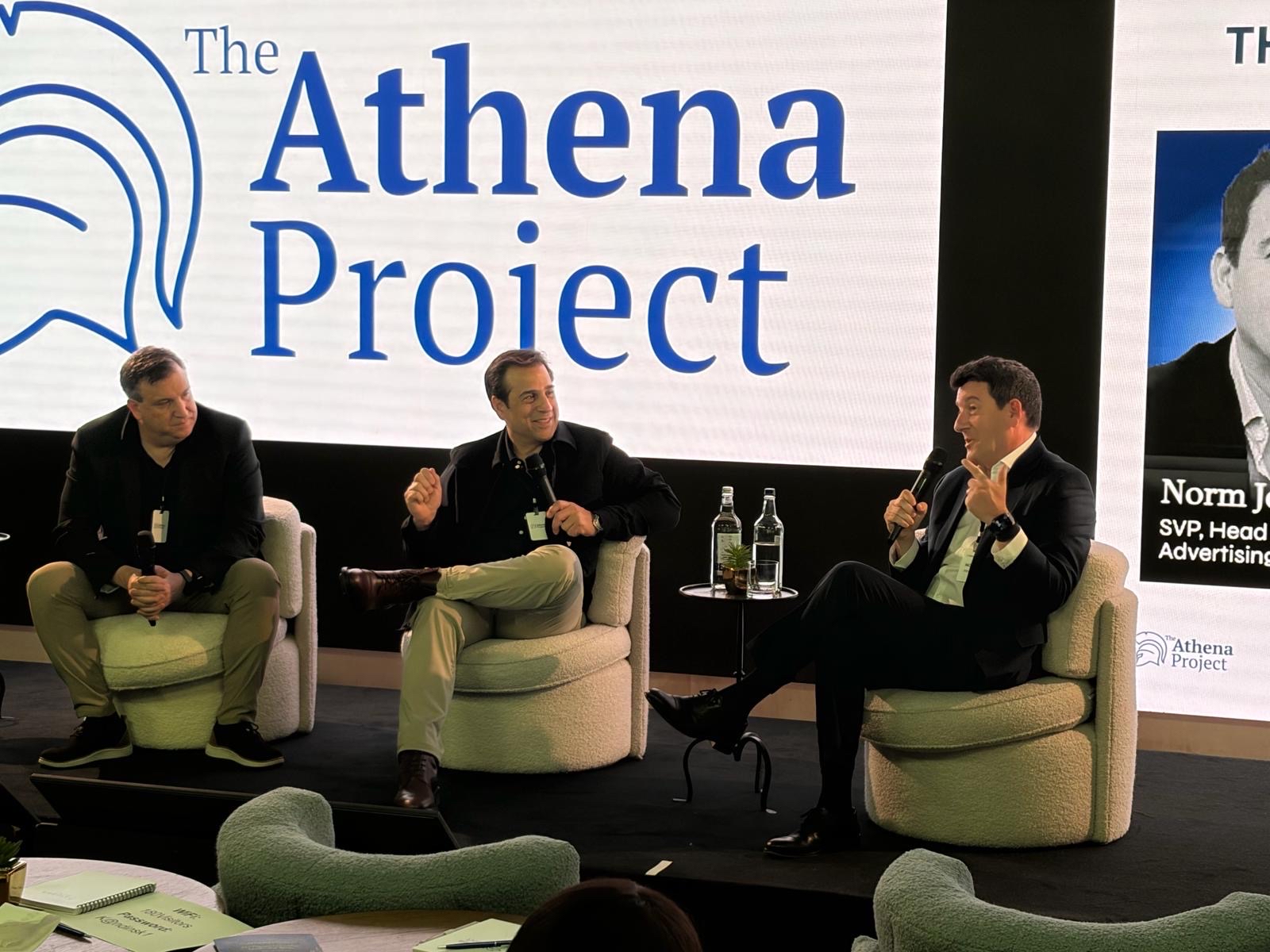
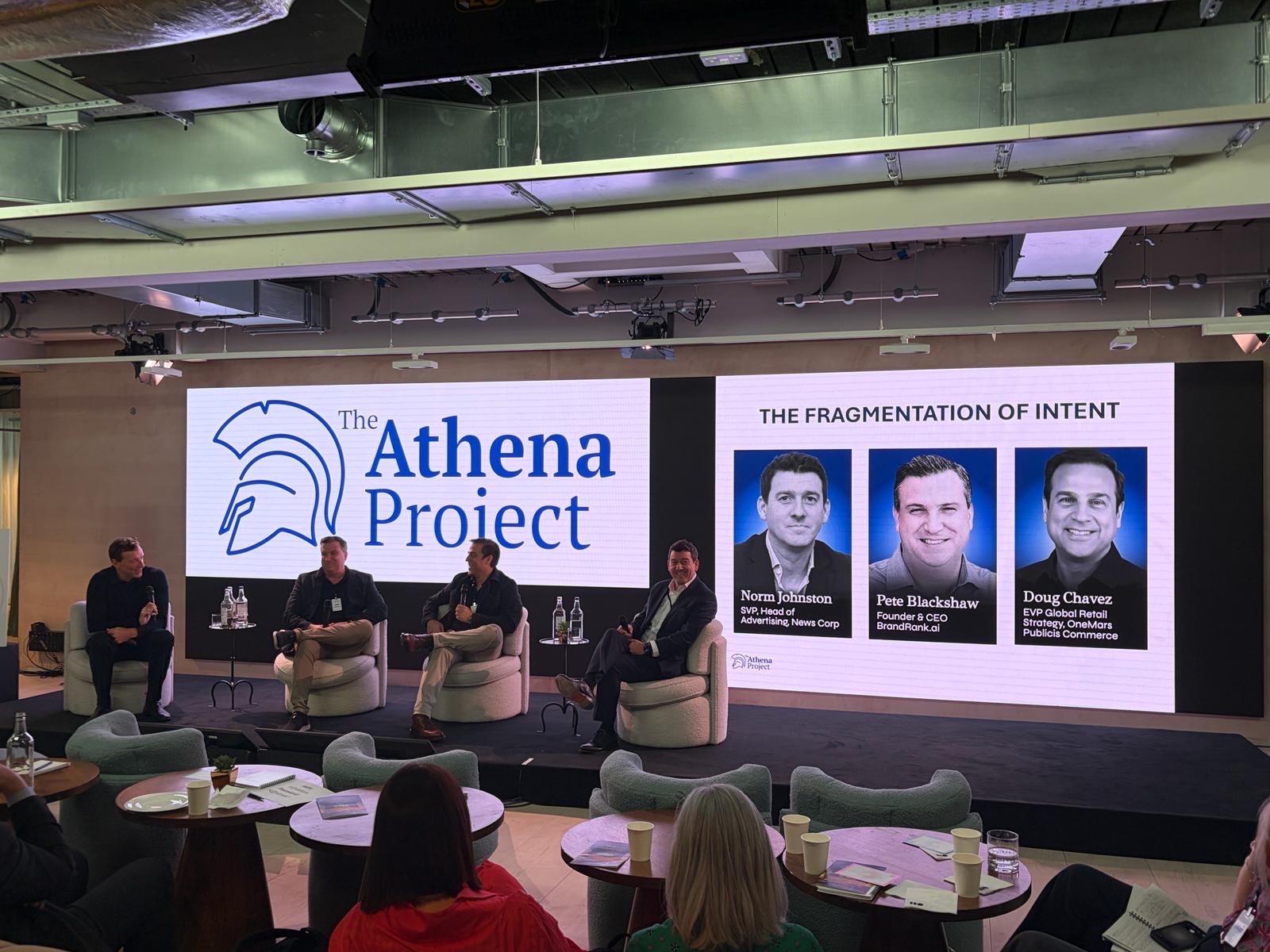
I had the privilege last month of joining Pete Blackshaw, Founder and CEO of brandrank.ai, and Norm Johnston, SVP of Global Advertising Strategy at NewsCorp, on stage at The Athena Project in London. Our session was titled, “The Fragmentation of Intent.” I spent most of it challenging that diagnosis.
Intent is not fragmenting. It’s being disintermediated.
That distinction matters more than it might seem. The conventional story says the consumer journey is splintering across dozens of touchpoints, making it harder for brands to follow. I would reframe it: Consumer intent is actually consolidating, quickly, into a small set of AI systems that answer instead of search. A question that used to send a shopper to 10 blue links now returns a single recommended product. The intermediary is no longer a search engine. It’s an AI agent.
And brands largely do not know how they’re showing up inside that agent, what they’re being recommended for, or whether the content driving that recommendation is accurate.
Consider what the cereal category looked like just 20 years ago. A shopper saw a 30-second spot. They walked into a grocery store and picked a box from the shelf. One surface. One format. One measurement question: Did sales go up? That was the full operating model.
Now that same shopper asks an AI agent what cereal to buy. Or Sparky answers the question before they think to ask it. Or Instacart surfaces a recommendation based on last week’s basket. Or perhaps another retailer’s tool reorders automatically. The shopper’s intent is still the same. But the brand has to show up across a dozen surfaces simultaneously, each demanding its own format, each reporting success on its own terms. Add the attribution claims together and they routinely exceed actual sales. The 30-second spot became 20 surfaces. The measurement problem became exponential.
What is fragmenting is not consumer intent. It’s the supply side. Twenty surfaces, 20 formats, 20 scorecards, and none of them reconciled into a single view of what is working.
That’s the real problem sitting on a CMO’s desk. And my view is that it points to one answer: orchestration.
Blackshaw framed the stakes well. His “Answer Economy” thesis holds that AI is becoming the ultimate arbiter of brand credibility, and that trust is now marketing infrastructure. Johnston named the accountability pressure that follows: Where is the money actually going, and can anyone prove that it’s working. Both arguments are right, and they connect. Trust and measurement are the same problem. You cannot govern what you cannot measure. A brand can’t earn its place in the answer layer if it can’t see how it shows up across that layer.
The brands still optimizing channel by channel are solving a 2020 problem. The brands building orchestration as an enterprise capability, with a single honest measurement spine underneath every surface, are the only ones building something durable.
The window to act is real. And it is brief. The Answer Economy still feels governable, but that will not last. The brands that move first will not just adapt to the new standards, they will help write them. The ones that wait will inherit someone else’s.
Consider the precedent. Railroads, electrical grids, telecom networks all followed the same pattern. Early fragmentation, then rapid consolidation around a handful of dominant operators, then entrenchment. Once that happened, access was no longer negotiated. It was priced. The terms were set by whoever moved first to define them.
AI recommendation surfaces are on the same trajectory. When a single agent intermediates the majority of purchase decisions in a category, that agent is infrastructure. And infrastructure, once entrenched, is not reformed from the outside. It is regulated after the damage is done.
We had that warning once before, in the early days of digital advertising. Most of the industry let the window close. The economics got entrenched. The accountability problems that followed still haunt us today and have not been fully resolved.
The same inflection point is here again. The question is whether brand and agency leaders treat it as a campaign problem or an infrastructure imperative.
I know which one it is. I hope you do, too.
About the Author
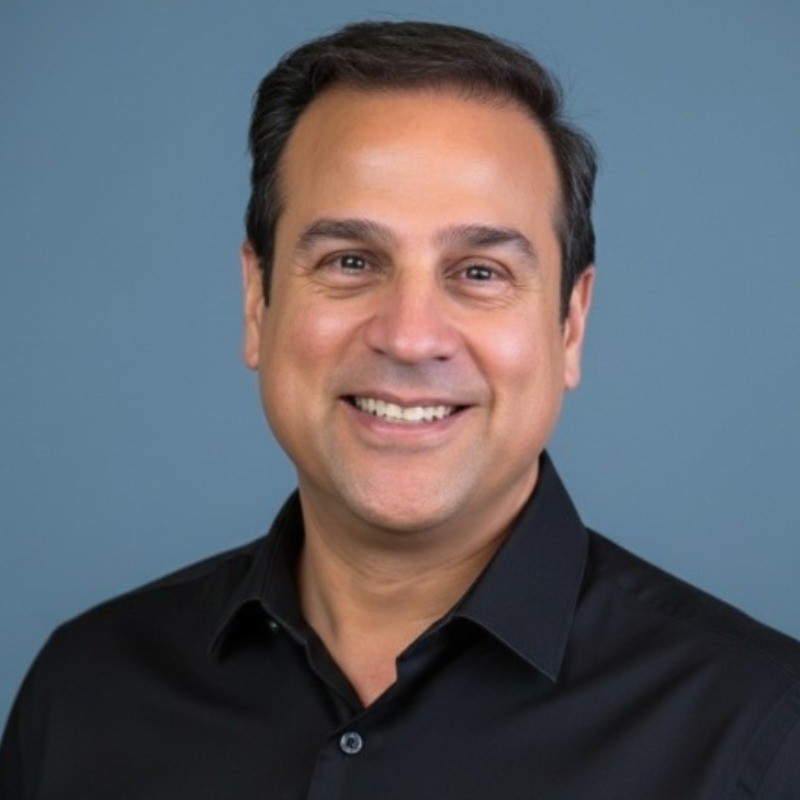
Doug Chavez is EVP, Global Retail Channel Strategy at Mars United Commerce, where he leads connected commerce for the global OneMars business. With more than two decades of experience across agencies, platforms, and brands, he specializes in translating retail media complexity into integrated strategies that drive measurable growth at scale.