
As part of their ongoing mission to help clients stay ahead of the competition in a fast-paced, constantly evolving marketplace, the field teams in Publicis Commerce’s Retail Consultancy closely monitor the strategic activity taking place across all key retailers and channels.
Each month, the teams compile Marketplace Assessment reports on the retailers (including Walmart, Target, Amazon, and Kroger) and channels (such as Regional Grocery, C-Store, Club, Pet, Beauty, and On-Demand Delivery) that are most important to the business success of our clients. The following report outlines noteworthy events across 10 key retailers from the team’s most recent round of assessments. (To receive copies of the full reports, contact EVP-Retail Consultancy Kandi Arrington at [email protected].)
____________
Amazon Moves Toward Autonomous Shopping
Amazon’s latest upgrade to its Rufus agentic search platform introduces a “Scheduled Actions” function that enables the AI assistant to act as an autonomous shopping agent. Members of the Prime loyalty program can tap a “plus” icon while chatting with Rufus to delegate future buying tasks such as creating a schedule for recurring household orders, setting alerts for new product releases, or automating gift purchases tied to specific calendar events.
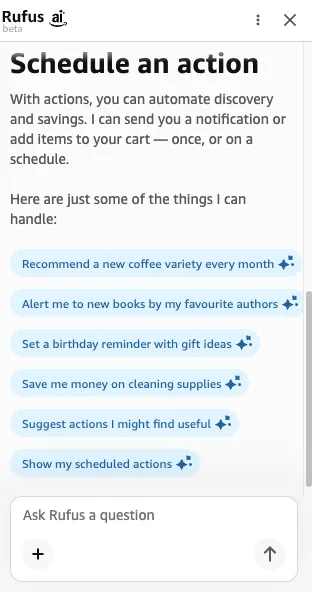
Rufus handles the product research and either notifies the shopper or just adds relevant items directly to their cart, as a one-time action or on a recurring schedule. The agentic layer also integrates with other Rufus features such as “Buy for Me,” where it will make autonomous purchases from third-party merchants if it finds a better match or price elsewhere.
Amazon has also introduced “Alexa for Shopping,” an AI assistant that combines Rufus, Alexa+, and the user’s shopping history to deliver personalized product insights, comparisons, price tracking, shopping guides, and automated purchasing tools directly within Amazon’s main search function.
Relevance: Rufus was used by 300 million shoppers in 2025, helping to drive nearly $12 billion in incremental annualized sales. The platform already has visibility into a Prime shopper’s background (including past purchases, browsing behavior, wish lists, and prior conversations) and is currently accumulating additional “memory” from other Amazon digital services.
Scheduled Actions pushes Rufus further into the realm of agentic commerce and helps Amazon retain control of product discovery, compounding shopper data signals for use cases such as gifting that might otherwise drive shoppers to third-party generative AI agents.
Although Rufus so far is isolated from the broader, cross-platform agentic ecosystem, Amazon recently joined the Universal Commerce Protocol Tech Council, the Google-led initiative developing an open-source standard for agentic commerce.
Opportunity: As consumers begin to rely on AI agents for some repeat or simple purchases, the importance of structured product and intent data that informs agentic recommendations increases. Brands should prioritize generative engine optimization alongside search engine optimization to ensure that product data is structured for occasions, usage contexts, and replenishment cycles that will inform automated reordering and scheduled actions. (See the Decoding Rufus report from Mars United and Profitero+.) An early advantage can be gained from capturing predictable repeat-purchase patterns as these agentic workflows evolve. Brands should also monitor for potential advertising opportunities that are emerging within Rufus.
____________
Ulta Gets Personal with Gemini
Ulta Beauty is integrating its product inventory into Google’s conversational interfaces, including AI Mode in Search and the Gemini app, allowing users to get product recommendations, compare options, and complete streamlined checkout for eligible purchases directly within the native environment. “Ulta Beauty engaged early with [the Universal Commerce Protocol] because we see a clear shift in how [consumers] are discovering and shopping for beauty, with AI playing a much bigger role in that journey,” Mike Maresca, Ulta’s Chief Technology and Transformation Officer, said in a release.
The retailer also launched a shopping assistant powered by Google’s Gemini Enterprise for Customer Experience technology. Initially available via the retailer’s website (with app access to follow), the Ulta AI assistant moves beyond traditional search filters to provide personalized product guidance.
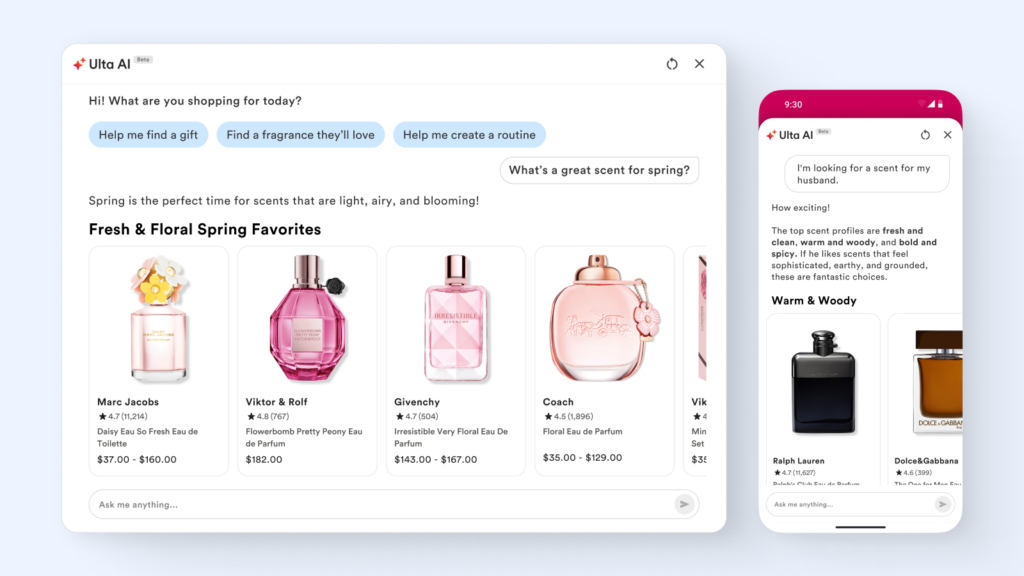
Relevance: Ulta Beauty has been an early collaborator with Google in exploring how agentic commerce can work for beauty, a category driven heavily by product exploration where ease, confidence, and trust matter deeply.
Opportunity: As conversational AI tools become another pathway for beauty discovery, brands should ensure product content is optimized for comparison and recommendations within guided shopper journeys. This includes strengthening product detail page content, reviews, and attribute-level data to improve selection confidence.
____________
Instacart Integrates with Claude
Instacart’s new integration with Anthropic’s Claude conversational agent lets shoppers build grocery carts from recipes, weekly lists, and other natural-language prompts within the chatbot environment. Claude then surfaces live inventory from nearby stores tailored to the logged-in shopper’s staples and preferences while syncing with Instacart’s website or app for ordering.

The experience is informed by a deep understanding of “how people actually buy groceries: what they substitute, what they won’t, where they shop, and how,” as well as “how preferences shift by season, occasion, and household,” Instacart Chief Technology Officer Anirban Kundu wrote in a recent blog post.
Relevance: NielsenIQ research finds that 42% of consumers have used at least one AI tool to shop within the past month. The International Council of Shopping Centers and McKinsey & Co. put the percentage at 68% over the last three months. Instacart increasingly is acting as both a fulfillment provider and data intermediary for agentic shopping experiences.
Opportunity: As third-party shopping assistants increasingly facilitate grocery discovery and basket building, brands must ensure their products are accurately represented within the ecosystems of retail partners like Instacart, where assortment, availability, and substitution logic directly influence outcomes. Brands should monitor how Instacart’s integrations evolve within Claude and other agentic platforms as the on-demand delivery leader increasingly serves as a central gateway for agent-driven commerce.
____________
The Home Depot Launches a Voice Agent
The Home Depot is replacing its traditional customer service phone menus with an AI-powered voice agent built on Google Cloud’s Gemini Enterprise for Customer Experience agentic platform. Supported by the retailer’s product catalog and proprietary knowledge, the voice agent can:
○ Build digital shopping carts based on real-time online or in-store inventory using project descriptions provided by the shopper.
○ Initiate service requests, text product links to pre-filled carts, and help complete purchases over the phone.
○ Resolve common inquiries from start to finish, such as checking order status or confirming product availability.
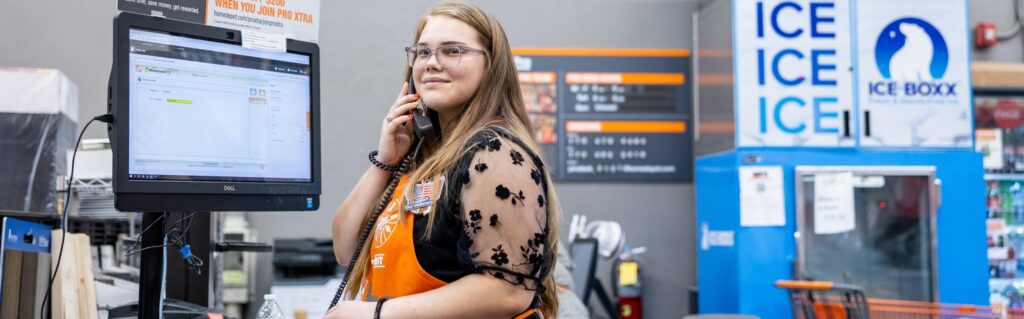
“We’re moving away from ‘Please listen to these options’ and toward ‘How can I help?’ AI does a tremendous job at recognizing customer intent and taking direct action to help complete a purchase or even start a service request,” explained Jordan Broggi, The Home Depot’s EVP-Customer Experience and President of Online, in a release. The retailer plans to expand the system to support all U.S. stores over the coming year.
Relevance: A 50-store pilot program demonstrated the system’s efficiency, with the agent comprehending customer intent in less than 10 seconds and resolving issues four times faster than traditional phone menus. The Home Depot similarly offers AI-powered conversational advice and personalized recommendations through its Magic Apron AI shopper assistant. Reducing friction across touchpoints can improve shopper satisfaction and long-term loyalty while increasing conversion.
Opportunity: Brands should continue to work with their Home Depot partners to understand how the voice assistant interprets intent and how it can influence product discovery, consideration, and purchase. Brands now have additional incentive to invest in rich product data, clear use-case positioning, and substitution readiness to remain visible and influence outcomes when shoppers are seeking advice and building baskets.
____________
Walmart Primes Beauty with In-Store Experts
Walmart will expand a new, dedicated “Beauty Expert” role to 425 stores by year-end in conjunction with department remodels that move the category closer to the front of stores and include elevated lighting, improved sightlines, a fragrance bar, and a “New & Trending” section. The retailer has been piloting the program in 22 stores, starting in the Northwest Arkansas market last September and expanding to the Dallas market in January.
Beauty Experts will receive ongoing training focused on product knowledge, seasonal needs, shopper engagement techniques, and top-trending items to help them deliver more personal, credible, and readily available in-aisle shopper assistance. They will also support in-store events and brand partnerships as Walmart continues testing the types of engagement that best resonate with shoppers.

“We’re not trying to be an Ulta or Sephora,” Vinima Shekhar, VP-Beauty Merchandising at Walmart U.S., told the Associated Press. “We have the breadth of assortment that no one else has. We have convenience that no one else has. What we also then want to do is layer on a level of service.”
Relevance: Hundreds of Walmart stores already host a “Beauty Bar” program that lets shoppers explore merchandise, sample products, and speak with employees. The Beauty Expert role layers a dedicated, certified service onto that physical infrastructure. Rival Target is also introducing a “Target Beauty Studio” space staffed by dedicated employees to roughly 600 stores.
As it leans into a stronger human touch in stores, Walmart has also been spotlighting trend-forward brands online through elevated shopping experiences and editorial storytelling.
Opportunity: While 425 stores is only a fraction of Walmart’s total footprint, this rollout introduces a new variable into shelf strategy that may require brands to tailor assortment and messaging to meet specific store environments. Products that benefit from in-person education may perform better in Beauty Expert locations, while a more self-service-friendly lineup would be better in conventional departments. Providing answer-ready content for Beauty Expert training may also improve in-store advocacy and shelf influence.
____________
Target Bans Synthetic Colors from Cereal Aisle
Target’s entire cereal assortment will be made free of synthetic colors by the end of May after the retailer worked closely with national-brand and private-label partners to reformulate products as needed while preserving variety and value.
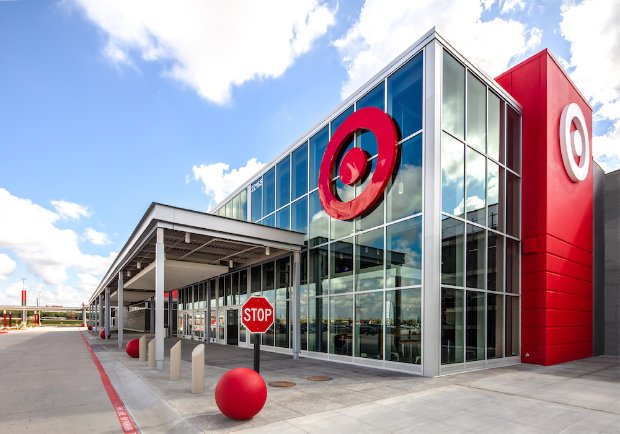
Target will continue evaluating possible ingredient changes to align with evolving shopper expectations as it seeks to drive product differentiation through more intentional assortment curation. “We know consumers are increasingly prioritizing healthier lifestyles, and we’re moving quickly to evolve our offerings to meet their needs,” Chief Merchant Cara Sylvester said in a release.
Relevance: The cereal update aligns with Target’s broader wellness strategy and the standards already practiced by the retailer’s Good & Gather private label, which avoids artificial flavors and sweeteners, synthetic colors, and high-fructose corn syrup. It also follows a major expansion of the existing wellness assortment. The change reflects growing consumer demand for cleaner ingredients — especially for kids’ foods — and arrives amid wider industry shifts and regulatory pressure.
Opportunity: As Target emphasizes cleaner ingredient standards, products in compliance may earn greater visibility in both search and promotional placements.This further reinforces the importance of aligning product formulations and claims with retailer-defined wellness standards, as these increasingly influence both organic discovery and paid placement. Brands should coordinate R&D, merchandising, and media teams to audit product ingredients against retailer standards while updating PDP content and creative to align claims with shopper search behavior.
____________
Giant Food Launches Health Podcast
Ahold Delhaize’s Giant Food has refocused its “Healthy Living by Giant” podcast on connecting healthy eating with affordability. Episodes of the new “This Week at Giant” segment are tied directly to the chain’s weekly circular through content spotlighting sales, simple low-cost recipes, and tips for shopping smarter while eating healthier. The programs are available on the retailer’s website and through platforms like Apple Podcasts and Spotify.

“We’re never going to be an Aldi or a Walmart — and we don’t want to be,” Ryan Draude, Director of Loyalty and Shopper Marketing, told Grocery Dive. “We are a full-service neighborhood grocery store that is meant to focus on quality service. And if you shop us smart … use digital coupons … loyalty deals [and] weekly promotions, you can really rack up the savings.”
Relevance: Some shoppers are increasingly looking for help stretching their total grocery spend while eating well. Instead of competing purely on price, Giant is leaning into service, guidance, and experience to support meal planning.
Opportunity: The podcast extends Giant’s owned media into a promotional and loyalty-linked content channel that reinforces weekly shopping behavior. Brands should leverage existing sponsorship opportunities to align health-oriented messaging with retailer initiatives involving meal planning and promotional engagement, particularly where content is directly tied to products being featured in the weekly circular.
____________
Meijer Expands Small-Format Grocery Stores
Meijer expanded its small-format grocery concept by opening a fourth store in Rochester Hills, MI. At 47,000-square feet, the latest Meijer Grocery store is significantly smaller than traditional supercenters (which average 150,000 to 250,000 square feet) and also significantly smaller than previous grocery locations (75,000 to 90,000 square feet). The format stocks fresh produce, grocery-store staples, flowers, cards, health and beauty care items, and pet supplies. It also hosts bakery, meat, seafood, and deli departments along with a full-service pharmacy.
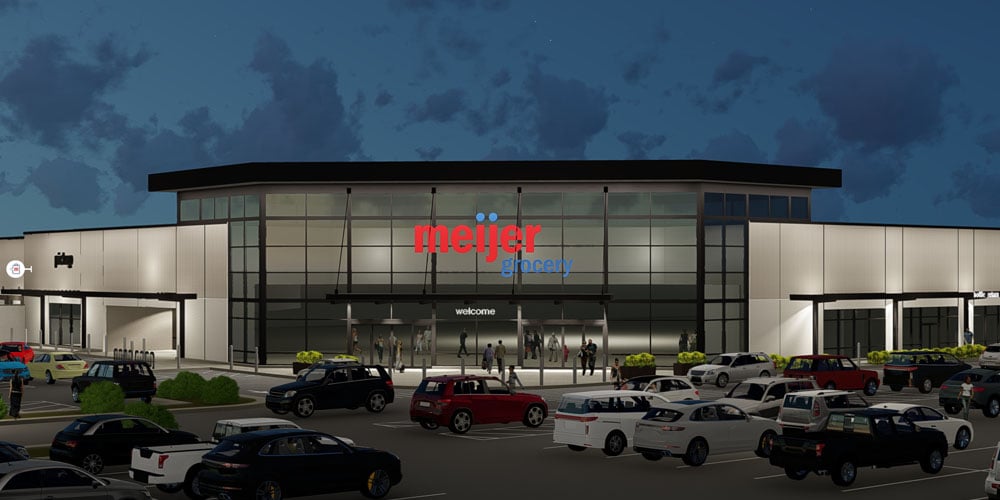
“Designed for convenience, the streamlined format makes it easy for customers to quickly find the fresh food and other essentials they need,” said Maureen Mitchell, VP of Meijer’s East Michigan division, in a release. The retailer indicated plans to open additional locations in the future, without providing specifics.
Relevance: Meijer launched the small grocery format in early 2023 with two Detroit-area stores before bringing the format to Noblesville, IN, in mid-2024. This latest, smaller version lets the retailer enter denser suburban markets that can’t accommodate a full supercenter.
The initiative reflects a broader industry shift toward convenience-driven retail formats that can better compete with the smaller footprints of CPG retailers such as Aldi, Trader Joe’s, and Walmart Neighborhood Market. Meijer also operates six small-format neighborhood markets averaging 40,000 square feet that are positioned to reflect the unique character of their urban locations.
Opportunity: At these new locations, brands should prioritize high-velocity SKUs and smaller pack sizes while investing in secondary placement near entrances and on endcaps. There also is an opportunity to tailor media and marketing creative toward quick meal solutions and fill-in trips rather than the pantry-loading occasions of Meijer supercenters. Brands should expect more localized assortment strategies, increasing the need for retailer-specific planning.
____________
Aldi Updates Ecommerce Experience
Aldi U.S. has launched a new website and app powered by Instacart’s Storefront Pro enterprise commerce platform and fulfillment capabilities. The new experience is designed to make it easier for shoppers to navigate through Aldi’s weekly deals, price drops, and limited-edition “Aldi Finds” offers. It also provides ways to shop for specific dietary needs and preferences including gluten-free, vegan, and organic.
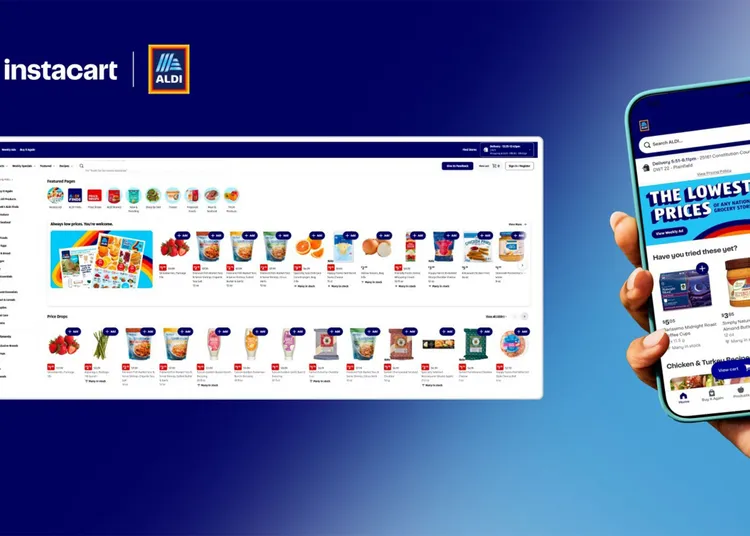
The update is also designed to improve personalized product recommendations, enhance product discovery, and expand meal-planning support via shoppable recipes. “As customers look for more flexibility, our partnership with Instacart enhances the Aldi online experience, giving the one-in-three U.S. households that shop our aisles another convenient way to get their groceries when and how they want,” said Davai Rinaldo, Chief Operating Officer at Aldi U.S., in a release.
Relevance: Instacart first began delivering for Aldi in 2019 and is currently the retailer’s exclusive fulfillment partner. Aldi is one of some 380 grocery retailers using Instacart’s Storefront technology to power its ecommerce presence. Aldi’s global brand positioning as an aggressive discounter continues to resonate with U.S. shoppers, especially during the current extended inflationary period.
Opportunity: Although Aldi places a heavy emphasis on private label, its expanded ecommerce capabilities may create incremental opportunities for national brands that can secure distribution. Instacart’s AI-driven features — such as shoppable recipes and product recommendations — can increasingly surface products that may steer shoppers toward new brands and influence their purchase decisions.
____________
Best Buy Adds Loyalty Reward Points
Best Buy is introducing reward points to its My Best Buy Plus and My Best Buy Total loyalty programs. Beginning in June, members of both program tiers will earn 1% in rewards on all eligible purchases and 6% in rewards when using their My Best Buy credit cards. Points will be tracked in a new digital membership hub within the retailer’s website and app, and also will be viewable in digital carts and in-store checkout.
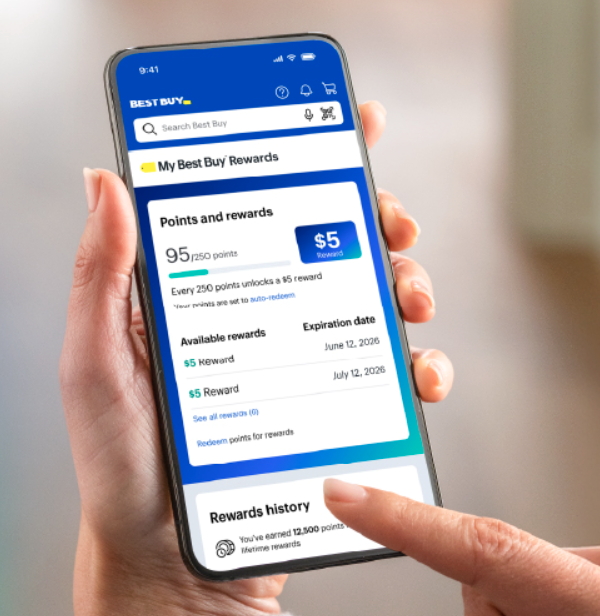
“For today’s shoppers, rewards play a meaningful role in deciding where to shop,” Best Buy CMO Jennie Weber said in a release. “Our customers have been clear about what they want from us: reward points, convenience, and exclusive benefits.”
Relevance: The new rewards supplement existing loyalty program benefits that include free two-day shipping, an extended 60-day return window on most products, members-only prices and deals, and exclusive access to sales, events, and products. The Plus tier costs $29.99 per year, while the Total tier costs $199.99 annually and includes additional product protection plans, 24/7 tech support, priority access to Best Buy’s expert services, and 20% off repairs. The retailer also offers a free tier that provides free standard shipping.
Opportunity: As Best Buy introduces another lever to strengthen loyalty engagement, brands should evaluate how reward-driven shopping behavior influences baskets, particularly in high-consideration product categories. As loyalty benefits become more visible, there may also be expanded opportunities to align retail media activity, exclusive offers, and value messaging within the member shopper experience.
____________
Publicis Commerce’s Retail Consultancy is an unrivaled team of in-market commerce experts who simplify the complexity of retail for our clients. Located in Bentonville, Minneapolis, Cincinnati, Chicago, Seattle, and the “backyards” of other key retailers, they provide deep knowledge of the retailer, expertise in key business areas (like strategy, media and creative), and door-opening personal relationships with key executives to deliver an unmatched level of business success for clients across accounts, channels, and shopper engagement platforms. For more information, contact EVP-Retail Consultancy Kandi Arrington at [email protected].