
As part of their ongoing mission to help clients stay ahead of the competition in a fast-paced, constantly evolving marketplace, the field teams in Publicis Commerce’s Retail Consultancy closely monitor the strategic activity taking place across all key retailers and channels.
Each month, the teams compile Marketplace Assessment reports on the retailers (including Walmart, Target, Amazon, and Kroger) and channels (such as Regional Grocery, C-Store, Club, Pet, Beauty, and On-Demand Delivery) that are most important to the business success of our clients. The following report outlines noteworthy events across 10 key retailers from the team’s most recent round of assessments. (To receive copies of the full reports, contact EVP-Retail Consultancy Kandi Arrington at [email protected].)
____________
Walmart, Target, Ulta Support Google’s ‘Universal Cart’
Walmart, Target, and Ulta Beauty are among the leading retailers planning to integrate with Google’s forthcoming “Universal Cart” agentic commerce functionality. The Universal Cart will let users add products as they interact with Google services, starting this summer with traditional search and the distinct Gemini generative AI agent and later expanding to YouTube and Gmail, according to a corporate blog post.
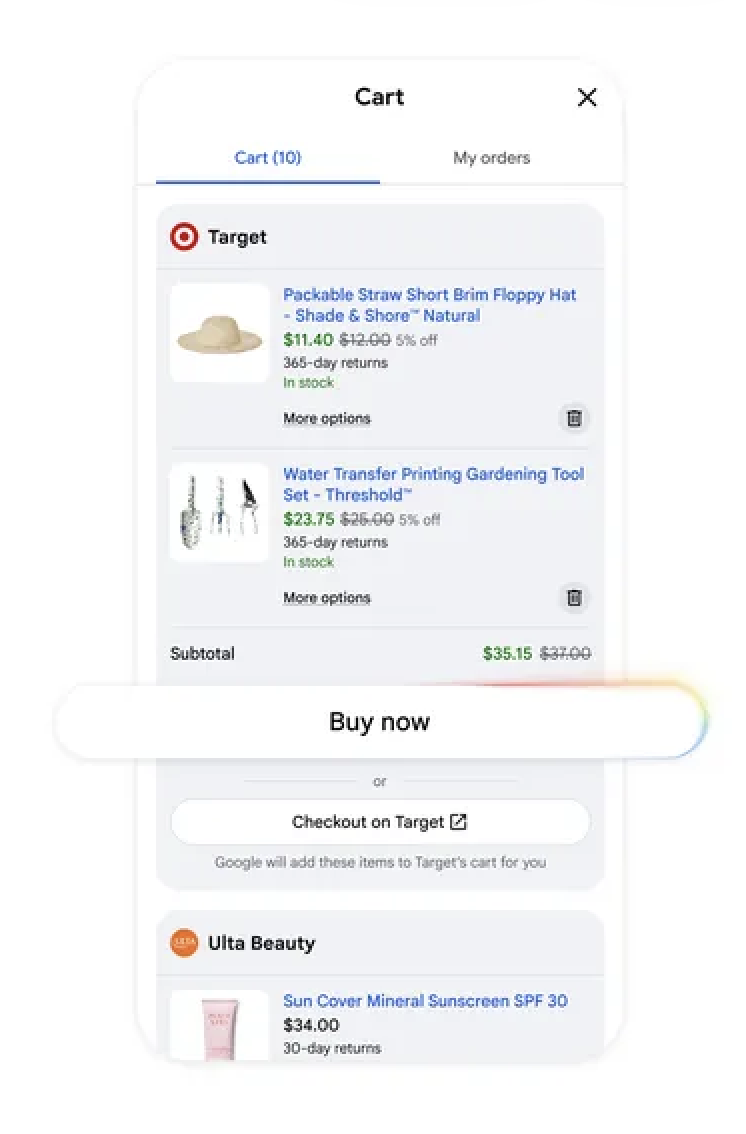
Running on Gemini structural models, the cart will apply intelligent reasoning to track deals and price drops, provide information on price history, alert users when out-of-stock items become available, and anticipate other needs and issues such as product incompatibilities. Participating retailers are integrated through Google’s Universal Commerce Protocol and can enable checkout within the cart or give shoppers the option of transferring products to a pre-loaded cart on their own site.
“Today, most people are shopping across multiple devices and retailers, all over the course of several days,” Suresh Ganapathy, Google’s Head of Product-Consumer Shopping, told Modern Retail. “Once they find what they want to buy, it can be another few steps of research to make sure they’re getting a good deal. By working across merchants as well as across Google services, the Universal Cart will give shoppers a way to manage that type of disjointed shopping in one agentic hub.”
Relevance: Though limited to its own ecosystem (at least for now), Google’s Universal Cart represents a major step forward in agentic commerce. The company is seeking to reduce friction in a shopping journey that has been steadily evolving to encompass more channels. Google stressed that the initiative preserves retailer ownership of transactions, letting the traditional merchants retain control of both checkout and the customer relationship. This point clearly distinguishes Google’s initiative from rival OpenAI’s abandoned effort to introduce Instant Checkout functionality directly into its ChatGPT agent.
Opportunity: Brands should continue to monitor how product information and context, pricing and availability, and promotions surface within generative AI-powered shopping experiences. As product discovery becomes increasingly mediated by AI tools, maintaining accurate and enriched content throughout the commerce landscape is becoming more important for visibility and conversion. Brands should look for every opportunity to help retailers test and learn on these new platforms.
____________
Amazon Lets Shoppers ‘Join the Chat’
Amazon’s Hear the Highlights generative AI-powered product summarizer now lets shoppers ask a specific question at any point during the audio description. Presented as a clickable raised-hand icon within the interface, the interactive “Join the Chat” feature works via text or voice, with the platform deviating from its prepared script in real time to deliver a tailored answer before continuing on with the summary.
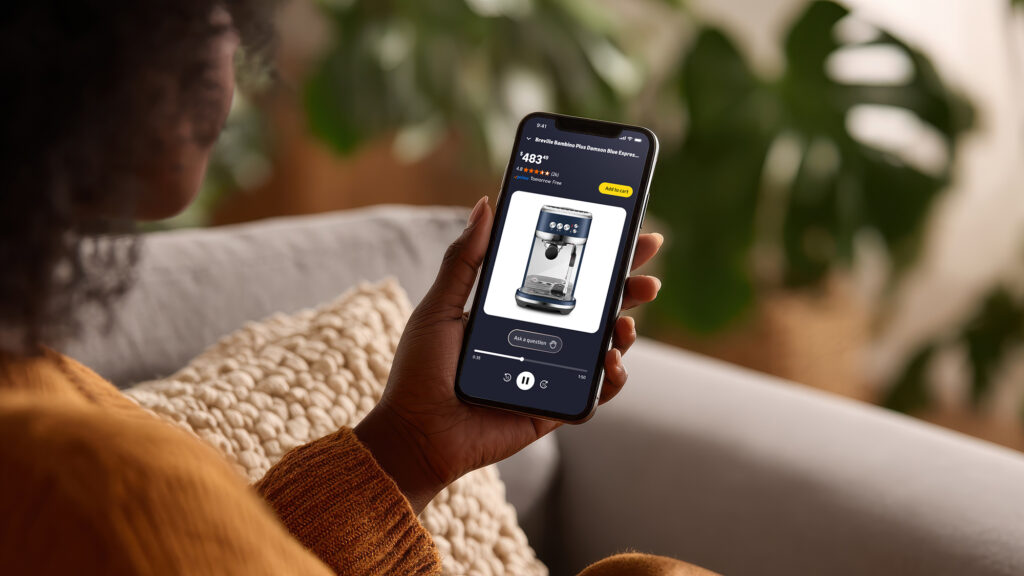
The enhanced experience moves shoppers “from listening to participating,” per a company announcement. “Customers can ask questions and actually steer what comes next, making the experience a conversation [they] can join and customize,” said Rajiv Mehta, Amazon’s VP of Conversational Shopping.
Relevance: Introduced in fall 2025 to deliver short-form audio product summaries presented as conversations between an AI host and an AI expert, Hear the Highlights is just one of the many ways Amazon is infusing AI into its shopper-facing environments. Among others, it is harnessing generative AI to synthesize customer reviews from multiple verified purchases.
Opportunity: As Amazon and other retailers continue evolving product discovery toward a more interactive, conversational model, brands must evaluate how product content, customer reviews, FAQs, and product attributes can answer the shopper questions being surfaced. The more effectively a brand’s benefits and differentiators are communicated across Amazon’s ecosystem, the more likely it will show up in agentic recommendations.
____________
Gopuff Debuts AI-Powered Shopping Feature
Gopuff has teamed with SpaceXAI, operator of the Grok search agent and sister company to social media platform X (formerly Twitter), to launch what the on-demand delivery provider is calling “the world’s first multimodal AI grocery shopping experience, with voice, chat, and a delivery network all its own.”
Simply named Go, the technology analyzes Gopuff customer data and cultural signals collected from X to prepare personalized cart recommendations based on the user’s preferences and real-world context including weather, daypart, special occasions, and location. Returning users can purchase the carts with a single tap. The content-first experience is accessible via Gopuff’s main navigation bar and offers a TikTok-style shoppable feed, as well as voice integration with Grok to support cart building and checkout.
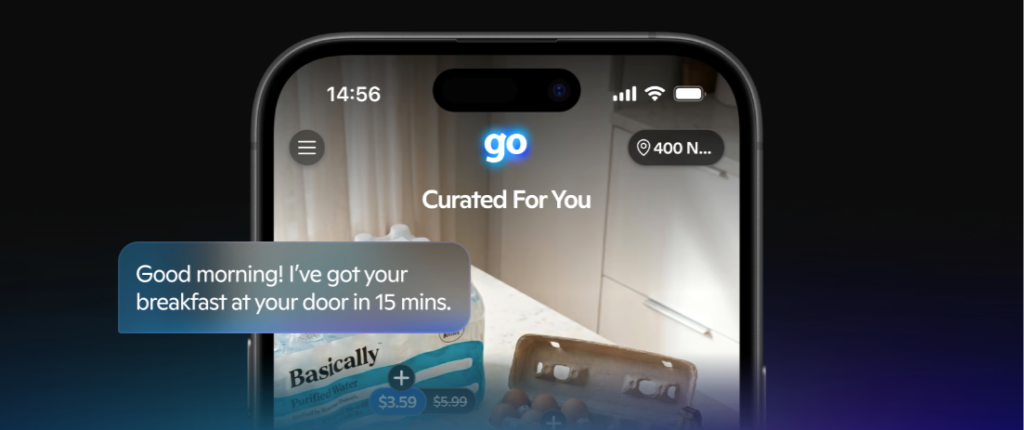
“The greatest friction left in commerce is not delivery or instantaneous access to the essentials customers need. It’s the moment before: the thinking, the deciding, the remembering,” said Gopuff Co-Founder and Co-CEO Yakir Gola, in a release. “We’re combining Gopuff’s demand intelligence with [SpaceXAI’s] frontier reasoning to create an everyday shopping experience that feels like a true extension of you.”
Relevance: The advanced AI tool reflects rising retailer interest in predictive commerce experiences that simplify decision making and streamline routine purchases. It also illustrates how content, recommendations, and commerce are becoming interconnected across digital platforms as traditional retail organizations collaborate with rising agentic commerce players.
Opportunity: Predictive shopping makes it critical for brands to be included in recommendation engines and suggested baskets before a shopper actively searches, making strong item-level content, consistent availability, and relevance to common consumption occasions more important than ever.
____________
Hy-Vee Strengthens Product Availability with AI
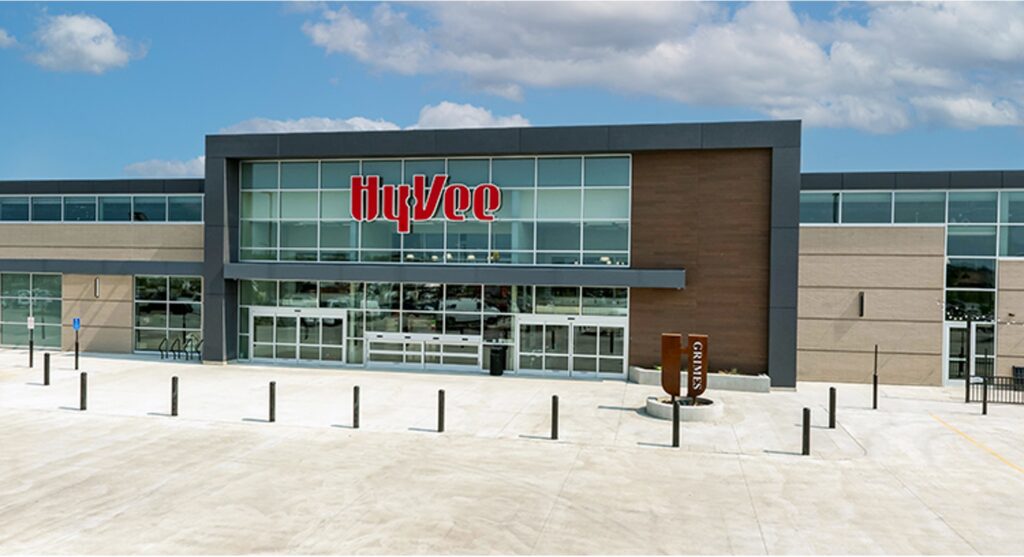
Hy-Vee is deploying an AI-driven planning platform developed by retail technology provider Relex Solutions that’s intended to improve demand forecasting, automated replenishment, fresh-food ordering, and product visibility across the independent grocer’s stores and distribution centers. The platform brings multiple processes together in one system to support daily decision-making, reduce food waste, and keep shelves stocked in both fresh and center-store categories, helping stores respond more effectively to shopper demand patterns.
Relevance: Retailers like Hy-Vee are evolving toward AI-driven forecasting and automated replenishment to improve on-shelf availability as demand becomes more dynamic, which raises the bar for data accuracy and supply reliability from brand partners. The move reflects a broader trend toward modernizing infrastructure to meet rising shopper expectations, reinforcing in-store availability as a foundational element of the connected commerce experience as shoppers move fluidly between physical and digital channels.
Opportunity: As retailers invest in sophisticated planning tools, they will increasingly favor partnerships with brands that are committed to operational excellence and advanced planning capabilities.
____________
Target Launches Two Creator Programs
Target is doubling down on its social media presence with programs for two distinct cohorts of creators:
- Club Target is a gamified option for emerging creators and “super fans” that rewards engagement through weekly challenges on TikTok and Instagram. A tiered rewards system entices participants with gift cards, social channel features, access to exclusive events, and some commission opportunities. Target provides guidelines on the content to create and share, with the goal of amplifying important marketing moments.
- Target Ambassadors is aimed at established creators and powered by influencer marketing platform LTK. The invitation-only program delivers expanded benefits, exclusive campaign offers, higher commission rates, and deeper brand access.
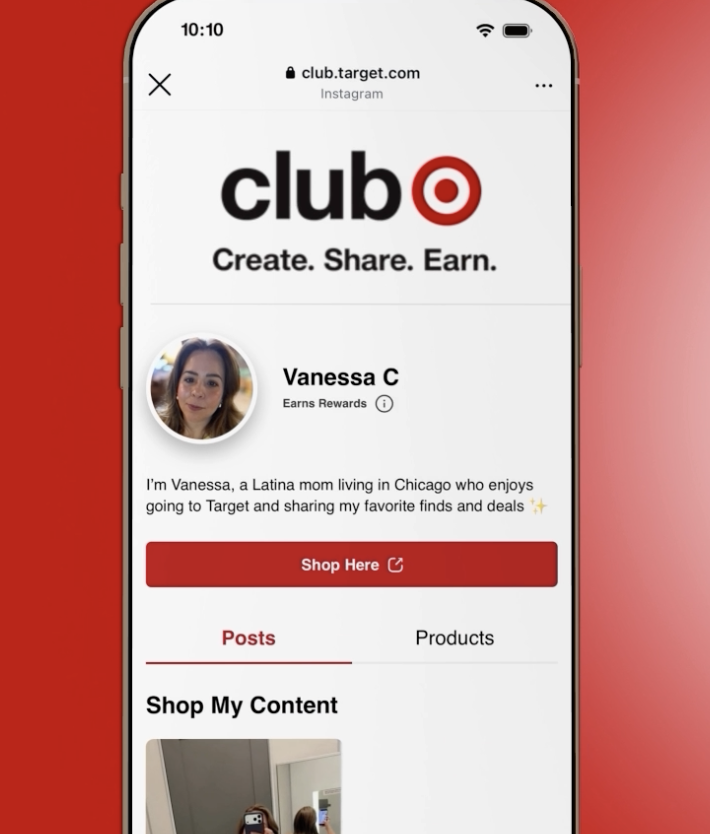
The new structure replaces the affiliate creator program Target introduced in 2023.
“The work that we’re doing from a social commerce perspective is really helping to elevate all of those priorities that we have as a company,” Sarah Travis, Target’s Chief Digital and Revenue Officer, told Retail Dive. “I would argue that [social commerce is] one of the biggest shifts we’re seeing in retail in a generation. And I would also argue that Target is built for it.”
Relevance: The new strategy reflects changes in the social media landscape, including the rise of social commerce storefronts like TikTok Shop, as well as Target’s reenergized efforts to recapture the elevated shopping experience and style-led value that historically differentiated the mass merchant. Relevant creators can help the retailer accomplish this mission.
Opportunity: Brands can partner with creators in the Target Ambassadors program through the “Influencers by Roundel” program, now a formal offering of the retail media network. They can use these programs to integrate more authentic creator content into key retail moments and potentially engage with new-to-brand shoppers. As Target expands its creator ecosystem, brands should evaluate how these relationships can strengthen both their retail media and shopper marketing activation.
____________
Ulta Beauty Debuts on TikTok Shop
Ulta Beauty has opened an official storefront on TikTok Shop, which will allow consumers to buy products directly within the social media platform while engaging with the retailer’s content. The launch encompassed roughly 15 exclusive brands in the makeup, skin care, hair care, and fragrance categories, along with 25 Ulta-only product bundles.
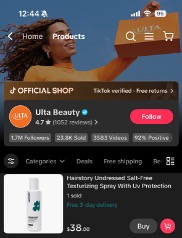
“Partnering with TikTok Shop is a strategic and complementary extension of our discovery ecosystem. It allows us to meet [shoppers] in the moments that inspire them, reduce friction between content and commerce, and drive incremental growth by welcoming new-to-Ulta Beauty shoppers into our community,” Chief Merchandising and Digital Officer Lauren Brindley told Cosmetics Business. “Just as importantly, it strengthens our role as the partner of choice for brands, adding another powerful tool in our brand-building playbook, and giving them new, creator-powered ways to launch, tell their stories, scale with us, and globalize.”
Relevance: The move illustrates the ways social platforms are becoming more overtly transactional, particularly in categories such as beauty where product discovery is heavily content-driven. It also signals a move among established retailers to embrace social commerce as a complementary channel. Ulta Beauty became the first U.S. specialty beauty retailer to debut on TikTok Shop — which already is considered to be a bona fide retailer and expected by some to become a top retail media network for brands; the platform is estimated to command roughly one-fourth of the rapidly developing social commerce market, which EMARKETER expects to surpass $100 billion in U.S. sales for the first time this year.
Opportunity: Retailers and brands that integrate shopping directly into high-engagement platforms like social media can capture incremental demand by shortening the path from content to checkout. Ulta’s approach also underscores the importance of curation, exclusivity, and platform-specific assortments when entering these social commerce environments.
____________
Kroger Leans into EDLP
Kroger has implemented broad price cuts for thousands of products in a bid to reset overall basket affordability for shoppers. The phased strategy involves testing before scaling, which signifies the plan for longer-term pricing shifts vs. short-term promotions. Kroger said the reductions are being funded through cost efficiencies such as direct sourcing, technology upgrades, and operational improvements, and intended to help the grocer regain market share.
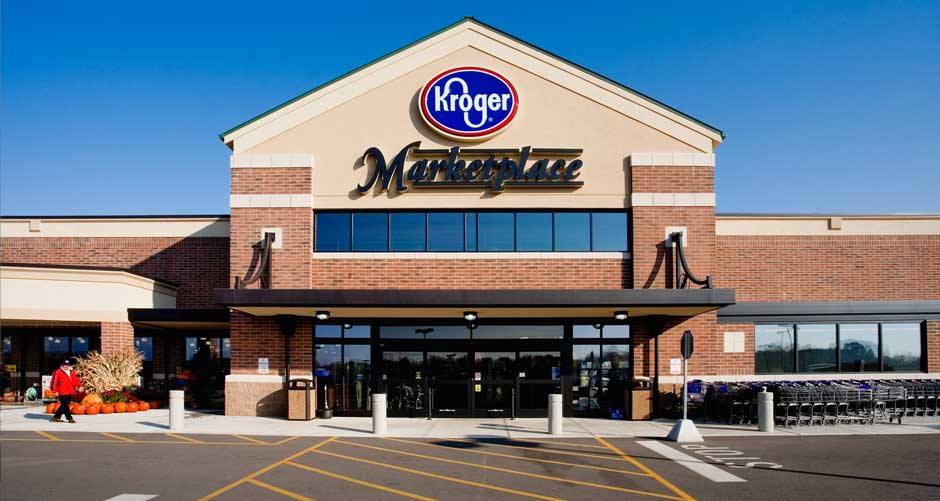
Relevance: The current climate of economic uncertainty and rising prices has intensified the ongoing potential for traditional grocers to lose market share to EDLP-focused retailers like Walmart, Costco, and Aldi as shoppers across income levels prioritize value and affordability. Kroger is repositioning itself to close that perception gap. Ahold Delhaize USA’s Stop & Shop has also permanently lowered prices on high-frequency SKUs in all New York and New Jersey stores, illustrating the broader industry shift toward structured competitive pricing vs. isolated, hi-lo promotions.
Opportunity: As supermarkets continue moving toward everyday value-led pricing strategies, brands should expect increased pressure on base price, trade funding, and promotional ROI as baseline sales expectations change accordingly. Brands will need to align with these cost/value strategies while protecting their own equity and positioning. Value-focused messaging that doesn’t rely solely on price should continue to resonate with shoppers.
____________
Walmart Localizes Store Assortments
Walmart is expanding its assortment of locally sourced and regional products in select markets in an effort to better resonate with increasingly cost-conscious shoppers. Stores in Florida and other states have been featuring locally relevant items (such as Cuban-inspired coffee), while locations in other regions have added regional condiments and other staples to their shelves.
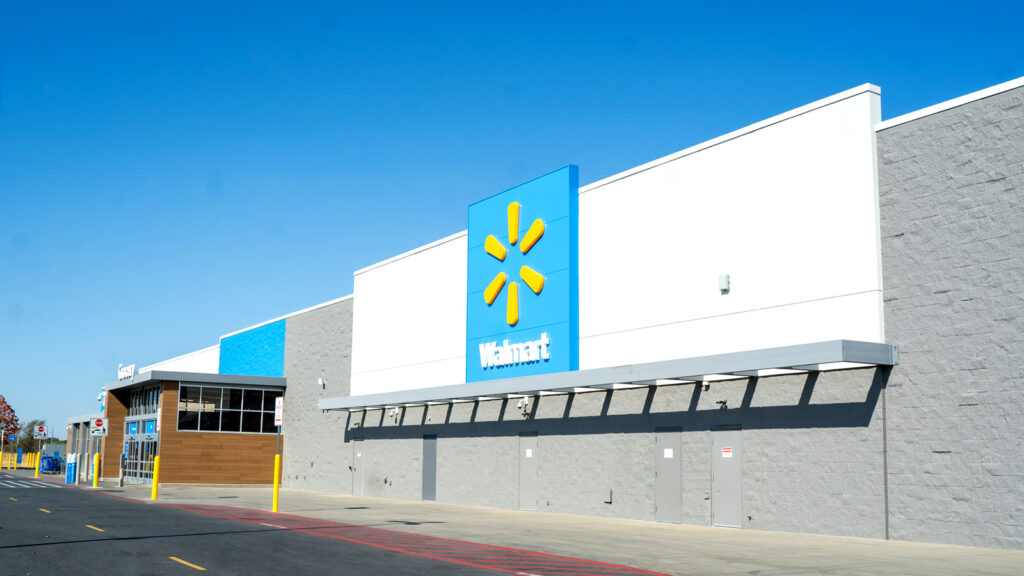
Relevance: Consumer sentiment is at historic lows, driven largely by fuel costs, according to a University of Michigan study. As shoppers become more cautious about their spending, retailers are competing harder to capture their essential purchases. Local products can help even the most national of retailers present themselves as authentic, relevant, and trustworthy. The strategy relies on merchant expertise and new technology to identify the items that local shoppers value most and quickly bring them into stores.
Opportunity: Local and regional relevance can act as a differentiator when price sensitivity is high among shoppers and can help present a value proposition that extends beyond price or promotion. Brands that can localize their storytelling through identified shopper preferences (flavors, formats, sizes) may gain incremental shelf visibility and more opportunities as Walmart works to build shopper loyalty by deepening its community connections.
____________
Publix Adjusts Promotional Details
Publix is now amplifying digital coupon offers on QR-enabled shelf signage as a free program for brand partners executed through marketing technology partner Inmar Intelligence. Participation requires brands to run digital coupon programs offering a minimum 25% discount and at least 225,000 clips (300,000 for BOGO or free offers).
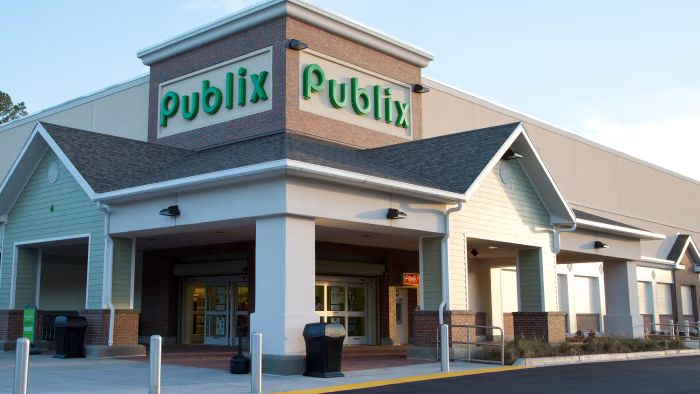
The grocer has also implemented changes to its coupon-focused Extra Savings Flyer, shifting publication from bi-weekly to match the weekly cycle for its circular, adding new BOGO and digital-only options (the latter for products with limited store distribution), and store-level campaign analysis.
Relevance: The shelf signage program is designed to close the digital-to-shelf conversion gap by allowing shoppers to clip and redeem in real time at the point of purchase. The changes will impact the planning, funding, and execution cadence for brands.
Opportunity: At-shelf activation should materially improve digital coupon performance, offering brands a way to drive higher redemption through greater exposure to more Publix shoppers. Brands should treat this as a conversion-first investment, pairing strong discounts with items that can best benefit from shelf visibility and impulse purchases. Additionally, brands that treat the Extra Savings Flyer as a core planning element should be better positioned to win under the renewed program.
____________
Ahold Delhaize Expands Delivery with Uber Eats
Ahold Delhaize USA is now working with Uber Eats to offer on-demand and scheduled delivery services at all of its roughly 2,000 stores. The partners are running a special launch promotion for first-time shoppers on the Uber Eats platform.
Ahold was already partnering with Uber Direct to manage a white-label on-demand delivery service. The expanded arrangement gives the retailer a presence on the Uber Eats ap, that provides another channel for engagement and conversion beyond its own shopper base.
Relevance: The move reinforces a major shift toward platform-based omnichannel retail, where grocers are extending beyond their owned apps and websites into high-traffic, third-party marketplaces. It also signals increasing competition in grocery ecommerce, where access and availability through multiple platforms are becoming table stakes — not a differentiator.
Opportunity: With commerce increasingly occurring beyond retailer-owned environments, brands must follow suit with their marketing strategy. As conversion points fragment, winning strategies will need to seamlessly connect media to purchases across retailer sites and delivery marketplaces. Brands should consider product offers and messaging that align to immediacy — such as “tonight’s dinner” or “last-minute needs” — to better convert in environments where speed and convenience are a priority.
____________
Publicis Commerce’s Retail Consultancy is an unrivaled team of in-market commerce experts who simplify the complexity of retail for our clients. Located in Bentonville, Minneapolis, Cincinnati, Chicago, Seattle, and the “backyards” of other key retailers, they provide deep knowledge of the retailer, expertise in key business areas (like strategy, media and creative), and door-opening personal relationships with key executives to deliver an unmatched level of business success for clients across accounts, channels, and shopper engagement platforms. For more information, contact EVP-Retail Consultancy Kandi Arrington at [email protected].