
Networks around the world are using social influencers and content creators to bring relevance and authenticity to the media plan.
By Cameron Porter, Mars United Commerce ANZ
As shoppers become less responsive to hard-sell advertising, retail media networks are beginning to use influencers, creators, trusted internal staff, and other expert voices to deliver content that feels more natural, more useful, and more native to the environments in which it appears — opening up new ways to connect brand storytelling with shopper relevance.
Creator and content-led formats are becoming more relevant as shopper journeys modernize and audiences become less responsive to overt brand messaging. For advertisers, this presents opportunities to show up in moments of product discovery and evaluation with content that feels more relatable, informative, and less like a hard sell.
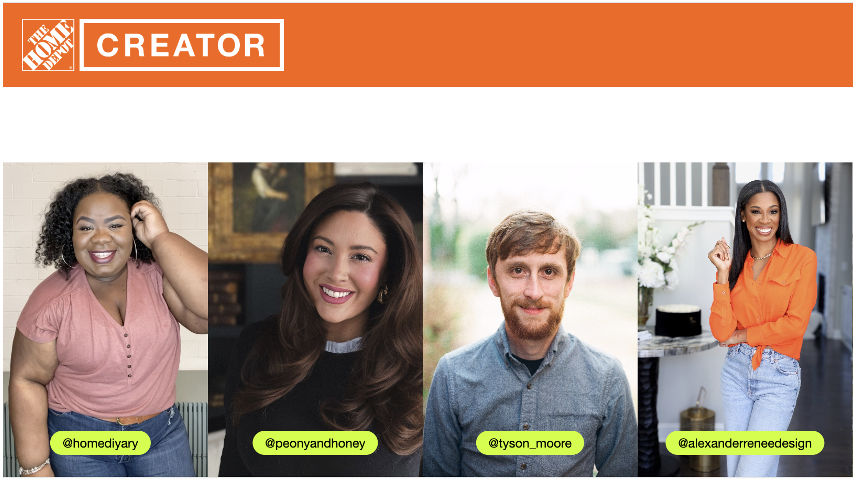
Retail media networks around the globe are building capabilities, using creators to bridge culture, commerce, and conversion. In the U.S. and Europe, networks such as Walmart Connect, Albertsons Media Collective, Boots Media Group, and Morrisons Media Group now treat creators as a more formal part of the media product. In just a few examples:
Target’s Roundel media network has developed a seamless process for brand partners to activate “Influencers by Roundel” campaigns with creators in the Target Ambassadors commission program established with LTK, which operates an influencer-centered shopping ecosystem. Target Ambassadors earn more by participating in retail media campaigns.
Similarly, the Sam’s Club Creator program, which builds personalized storefronts for participating influencers, recently began offering advertisers structured, scalable ways to integrate these partnerships into their media activation. In all, 12 of the 25 retailers tracked in Mars United’s U.S. Retail Media Report Card have formal social influencer programs.
Mimeda, Turkey’s first retail media network, recently introduced solutions that let brands plan and schedule affiliate influencer campaigns directly within its ad platform. Overall, nine of the 21 networks tracked in our Retail Media Report Card for Europe offer some kind of influencer program.
Why? There is a stronger effectiveness case than many marketers might assume. IPA (Institute of Practitioners in Advertising) research finds that influencer marketing delivers a long-term ROI index of 151 vs. 77 for paid social, as well as the strongest long-term multiplier of any media channel (at 3.35). Outcomes depend heavily on the fit between brand and creator, and the quality of the creative itself, according to the findings.
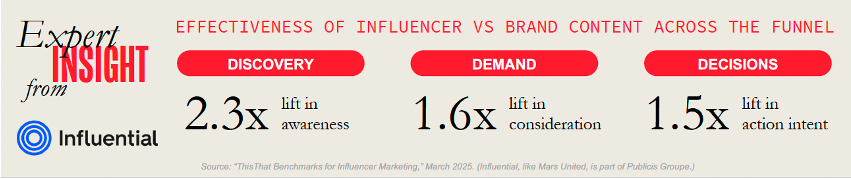
This matters in retail media because many advertisers already are building creator strategies into their broader go-to-market plans. Brands can bring their own creators into retail media executions, but networks increasingly are responding with options of their own, making this style of content more accessible at scale and, in some cases, more reachable through trade-linked or retailer-enabled investments rather than separate brand budgets.
This trend is taking shape in different ways across Australia-New Zealand, where 11 of the 17 networks evaluated in our regional Retail Media Report Card have launched some type of offering.
Since 2025, Coles 360 has let advertisers move beyond standard brand-led creative to briefing an established network of content creators for a more personable approach. Whether that’s building a recipe, showcasing a product in-store, creating a platter, or doing a product feature, the content is designed to feel more natural and can form the basis of paid activation across social channels.
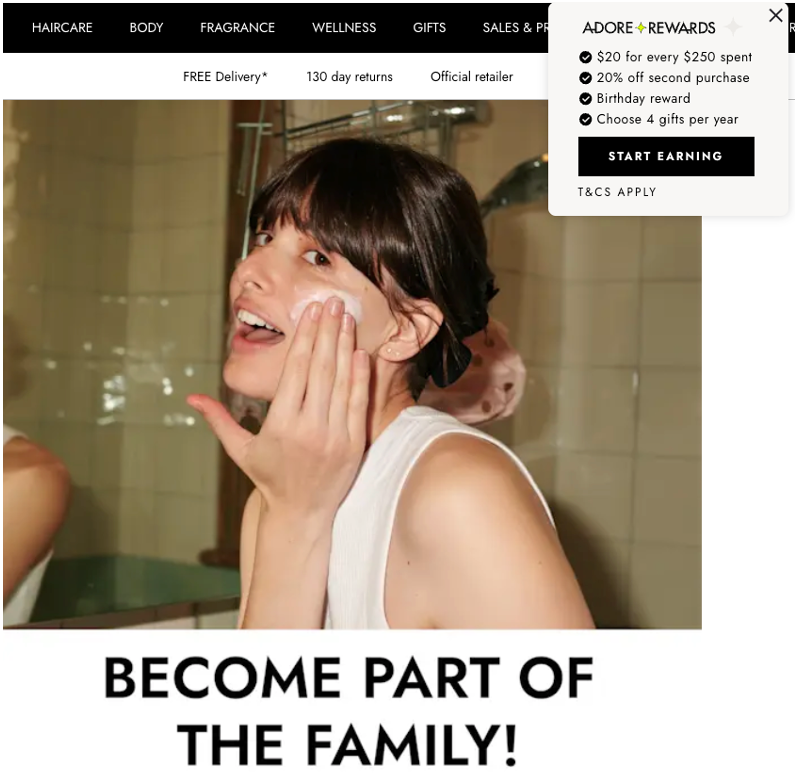
Elsewhere, CommBank Connect presents a more formal model, with native content, creators and other talent, and social and video media built into the offering. Adore Beauty has an adjacent example, with a content-led ecosystem spanning Beauty IQ, podcasts, Instagram, Pinterest, and YouTube, supported by a public influencer program and brand collaboration pathway.
Some networks enlist their own staff, acknowledging the trust they have earned with shoppers. PetAds has built social-first formats such as PetBreak and PetHacks around trusted Petbarn staff and expert voices, leveraging internal credibility and utility rather than classic influencer fame. AVC Experience+ sits nearby in spirit, with owned social scale and experiential programs creating natural opportunities for staff, outside talent, and event amplification moments.
Amazon Ads illustrates yet another path. Through Twitch Creator Sponsorships, the network gives brands access to scalable, streamer-led sponsorship solutions, bringing creator infrastructure directly into a platform built around live content, community, and attention.
Other networks are integrating talent into owned content ecosystems or leaning on trusted staff, experts, and event-led storytelling. What is emerging, therefore, is not one standardized creator product but a range of models, with some networks using creators to make paid social more commerce-ready. The common thread is content that feels more human and more native to the environment in which it appears.
There is room for improvement in how these formats are measured in retail media settings. While stronger engagement and relatability are part of the appeal, brands will still want clearer evidence of how creator-led content influences brand lift, sales, and broader campaign effectiveness. As more networks introduce brand lift studies and broader measurement tools to their offerings, proving the value of influencer campaigns will remain a key question to answer.
About the Author

Cameron Porter is Commerce Planning Director ANZ at Mars United Commerce ANZ (Publicis Groupe), working at the intersection of creative, media, and commerce to shape how brands show up across the shopper journey. He is the lead author of the Retail Media Report Card ANZ, now in its sixth edition, which has become a widely referenced benchmarking tool for advertisers navigating the evolving retail media landscape.