
As part of their ongoing mission to help clients stay ahead of the competition in a fast-paced, constantly evolving marketplace, the field teams in Publicis Commerce’s Retail Consultancy closely monitor the strategic activity taking place across all key retailers and channels.
The teams regularly compile Marketplace Assessment reports on the retailers (including Walmart, Target, Amazon, and Kroger) and channels (such as Regional Grocery, C-Store, Club, Pet, Beauty, and On-Demand Delivery) that are most important to the business success of our clients. The following report outlines noteworthy events across 10 key retailers from the team’s most recent round of assessments. (To receive copies of the full reports, contact EVP-Retail Consultancy Kandi Arrington at [email protected].)
––––––––––––
Albertsons Unifies Merchandising Across Banners
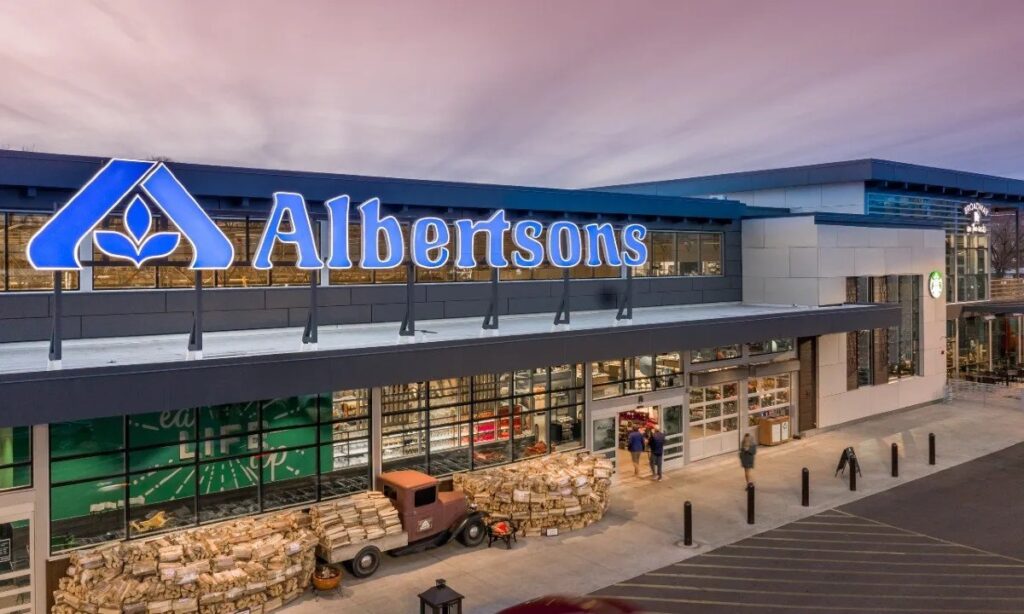
Albertsons has introduced Merch United, a four-region operating model for merchandising that brings the national group together with what had been 11 divisional teams. The goal is to create a more agile, customer-centric merchandising strategy that improves decision-making, strengthens collaboration with brand partners, and delivers a more consistent shopping experience across the retailer’s 18 regional banners.
Relevance: The Merch United initiative represents a commitment from Albertsons to simplify its go-to-market strategy while more effectively leveraging its formidable scale: more than 2,200 stores in 35 states. The move also supports the retailer’s broader goals to drive customer-centric growth through the adoption of AI and other technologies.
Unified strategies are gaining momentum throughout the commerce marketplace as retailers reduce organizational silos to deliver more consistent shopper experiences while improving execution — not to mention improving collaboration with brand partners. These efforts have largely been sparked by the desire to establish scale and ease-of-execution for retail media campaigns.
Opportunity: For brand partners, this shift could deliver greater planning consistency across divisions, faster execution of merchandising initiatives, and more strategic collaboration overall. As cross-banner activation becomes increasingly important for Albertsons, brands should look for opportunities to scale campaigns, promotions, and merchandising programs while continuing localized activation when appropriate.
Data-driven merchandising is the future. As Albertsons continues investing in AI-enabled merchandising intelligence, brand partners that bring shopper insights and category expertise will be best positioned to influence future plans.
––––––––––––
Kroger Adds Its First Ecommerce Chief
Kroger has tapped digital commerce heavyweight Nate Faust to serve as its first-ever Chief Ecommerce Officer.
Faust’s most recent experience involved founding and running ecommerce startup Olive, which operates a “waste-free delivery and returns experience” for brand clients including Rhone, Cynthia Rowley and Rent the Runway, Kroger said in a release.
But his career overall “has consistently been at the forefront of supply chain innovation, digital commerce and customer experience,” the release said, most notably as co-founder of the Jet.com ecommerce marketplace that Walmart acquired in 2016 to jumpstart its digital commerce business. Faust then spent four years building Walmart’s U.S. ecommerce supply chain. Kroger CEO Greg Foran served as CEO of Walmart U.S for most of that period.
“Nate built businesses that redefined what customers expect from ecommerce,” Foran said in a company release. “That is the standard we are holding ourselves to as we grow our digital business.”
Ecommerce sales at Kroger surpassed $16 billion in fiscal 2026, which represents about 11% of the retailer’s total. Online operations became profitable for the first time in the last fiscal quarter, thanks in part to the Kroger Precision Marketing retail media business.
Relevance: The appointment of Faust reflects the current growth trajectory of ecommerce overall and Kroger’s need to address online ordering trends by building a supply chain to capitalize on store-based on-demand delivery.
Opportunity: Brands should lean in with Kroger as it works to build ecommerce sales and help promote on-demand delivery offerings to shoppers. Their overall strategy should, however, stay focused on developing solutions that drive engagement in-store and online, helping Kroger deliver products whenever and wherever its customers choose to shop.
Click here to learn more strategies for winning at Kroger.

––––––––––––
MyLow Is a Highlight for Lowe’s
MyLow is a hit among shoppers and employees alike, having supported more than 25 million queries since its launch in March 2025, Lowe’s noted during its recent second-quarter earnings call. The home improvement retailer’s generative AI agent “continues to add value to digitally engaged customers as they access the tool for help with home improvement projects, product specifications, and solutions to fit their needs,” CEO Marvin Ellison said during the call.
But the factoid that could be even more important for Lowe’s and its brand partners is that “the conversion rate for online customers who use MyLow is triple that of customers who do not use the tool, reinforcing that a well-designed agentic AI experience can be a clear driver in the purchasing decision,” Ellison said.
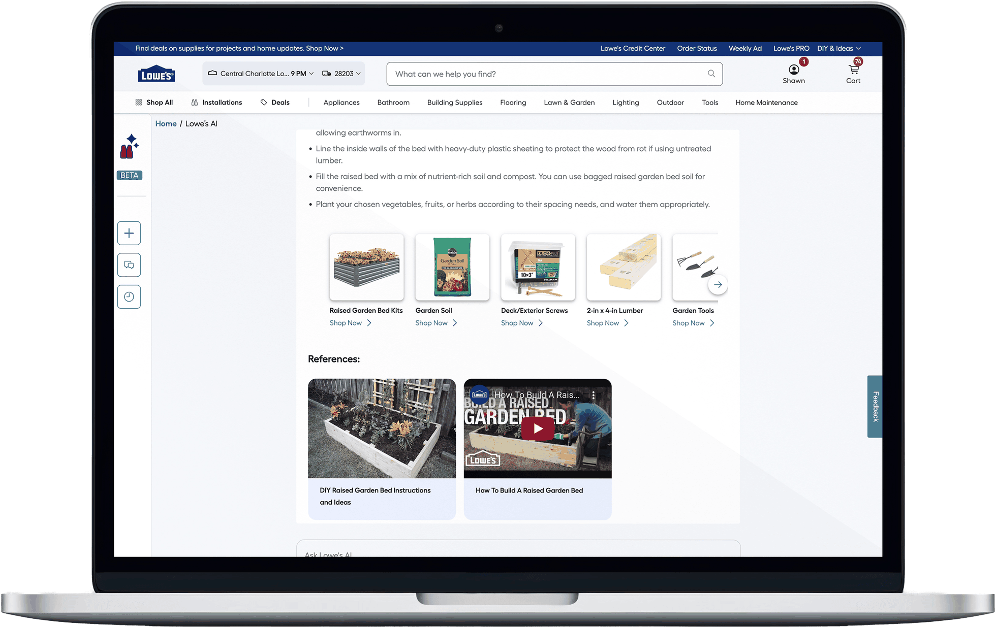
Relevance: Proof points confirming the positive, sales-building impact that generative AI shopping agents can have on the customer experience are piling up. Lowe’s has long known that a well-informed customer is a happy customer who spends more, and it appears to have a solution that will increasingly help make that happen.
Opportunity: Say hello to MyLow. Brand partners need to make sure they are giving Lowe’s all the product information, project advice, and special offers it needs to fuel MyLow’s customer interactions and gain a presence on this new agentic shelf.
––––––––––––
Meijer Keeps Going Big and Small
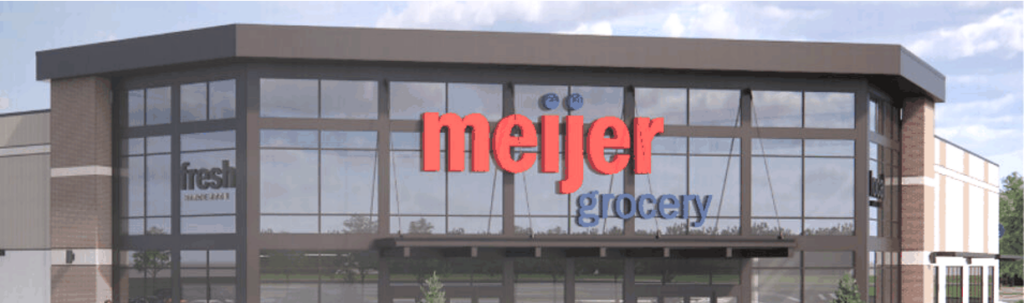
Meijer’s store growth strategy continues to feature both a smaller grocery-focused concept and the privately held retailer’s core supercenter format.
The Midwest mass merchant will open its fifth Meijer Grocery store next month in Fishers, Indiana. Launched in 2023, the 75,000-square-foot format promises a “streamlined shopping experience” compared with supercenters by paring the inventory down to the essentials that comprise a weekly grocery trip. Stores boast a full complement of standard supermarket departments, including fresh produce, bakery, meat, seafood, deli, and floral, as well as a pharmacy.
The smaller format also lets Meijer operate in denser suburban neighborhoods that wouldn’t accommodate a supercenter, providing shoppers “with a great shopping experience right in the communities where they live and work each day,” Jess Murray, Meijer’s VP for Indiana, said in a release about the store.
Meanwhile, Meijer’s core supercenter portfolio will also grow next month with a 159,000-square-foot store in Plymouth Township, Michigan. It’s the 130th supercenter in home-state Michigan. The total count is now estimated to be greater than 270.
Relevance: Meijer’s two-pronged growth strategy amplifies the ongoing importance of physical stores both as shopping destinations and distribution centers for ecommerce orders that are trending toward near-instant delivery. The Meijer Grocery initiative is also a response to the shift among consumers toward convenience-driven retailers such as Aldi and Trader Joe’s; Meijer operates six even smaller (40,000 square feet) neighborhood markets in urban settings.
Opportunity: For Meijer Grocery stores, brands should prioritize high-velocity SKUs, smaller pack sizes and even localized options to address reduced shelf facings, and consider tailoring media and marketing creative toward ideas for quick meal solutions and fill-in trips rather than the pantry-loading occasions of Meijer supercenters. And while it may be more “business as usual” at Meijer supercenters, messaging that addresses the convenience trend wouldn’t hurt there, either.
––––––––––––
Michaels Expands Experiential Store Model
Crafts chain Michaels this month opened the third location in a transformational” new store concept that’s designed to “elevate the customer experience through enhanced products, store environment, services, and events,” the company said in a release.
The stores are structured into distinct shopping “worlds” with “dynamic lifestyle vignettes highlighting key products, creative projects, and step-by-step styling instructions, creating a more modern, experiential, and visually appealing customer experience,” the company said. Among those worlds are sections for knitting/sewing, fine arts, floral arranging, custom framing, kids crafts, and party supplies that typically include “make your own” opportunities. Five additional interactive stations named “Signature Moments”allow shoppers to create dessert displays and candy-bag assortments, customized gifts, jewelry, apparel patches, and markers.
The Rogers, AR, store features a number of key elements that ultimately will be introduced to all stores. Michael’s plans to open additional concept stores and bring enhanced elements to existing locations throughout 2026.
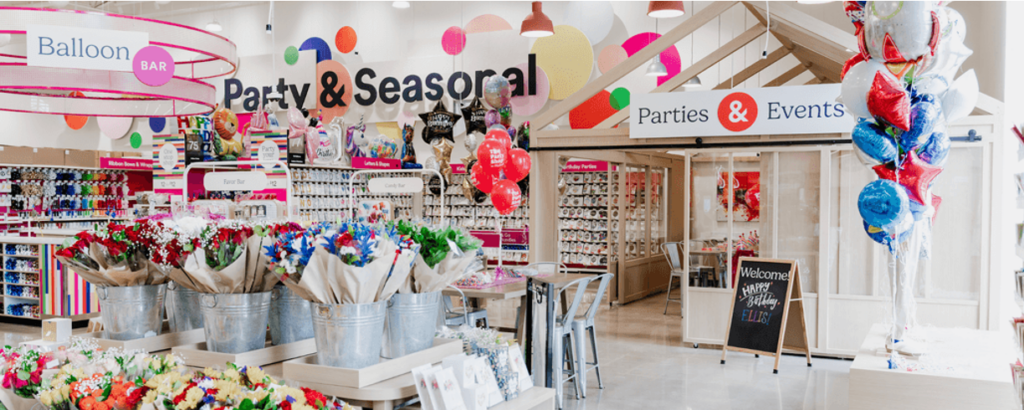
Relevance: While the craft and hobby channel might have a more obvious need to build hands-on shopper experiences and provide a little in-store theater, this initiative could also inspire retailers in less-interactive channels to develop innovative, inspirational, and even personalized environments that will bring shoppers into the store and help them envision — or literally create — use cases for various products.
Opportunity: The “stack ‘em high and let them fly” merchandising strategy has long been outdated (the endless aisle doesn’t even work for ecommerce, in fact). But with retailers now in need of unique experiences that will inspire store trips, brands should look for marketing and merchandising programs that will bring their brand story to the aisles and drive purchase.
––––––––––––
7-Eleven Adds a Lot of Ibotta
7-Eleven has signed a deal making Ibotta its exclusive third-party provider of digital offers from CPG brands. The offers will be distributed through the convenience store giant’s shopper apps and “clippable” in-store or at the pump at all 11,500-plus 7-Eleven and Speedway locations. They can also be used for on-demand delivery orders. The rewards are deposited directly into the shopper’s 7Rewards or Speedy Rewards loyalty account.
“At 7-Eleven, we are investing in the digital and physical infrastructure that makes every visit more valuable for our shoppers while driving volume for brands,” said Yaqub Baiani, 7-Eleven’s Chief Product Officer. “Joining with Ibotta gives CPG brands a leading performance-based solution.”
Relevance: The partnership marks Ibotta’s entrance into the convenience channel, one of the ripest venues for impulse purchases — where the right offer can move shoppers from the gas pump to the store or from the counter to the backwall coolers. Digital promotions specialist Ibotta is already on the activation menu for many CPG brands through its partnerships with Walmart, Target, Dollar General, Instacart, Kroger, and numerous other retailers, and is now providing another opportunity to extend campaign reach.
Opportunity: Offers from Ibotta give brands a proven, measurable promotion engine at the nation’s largest c-store operator — which also happens to over-index for Millennials and Gen Z.
––––––––––––
Sprouts to Open Even More Doors in 2026
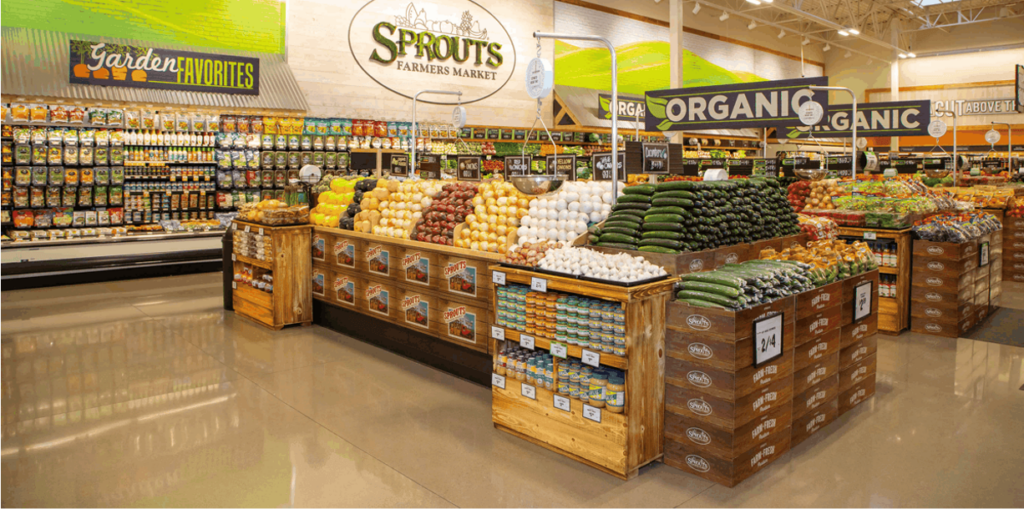
Sprouts Farmers Market will open 42 net new stores in fiscal 26 in a pace “slightly ahead of our original guidance,” CEO Jack Sinclair said during the alternative grocer’s second-quarter earnings call.
The accelerated plan includes at least 15 store openings in the third quarter, which would represent the natural and organic retailer’s “largest quarterly opening cadence to date,” Sinclair said. In all, Sprouts has 155 approved new stores in the pipeline; it currently operates 490 stores in 25 states.
Relevance: Faster-than-anticipated store growth at Sprouts could be yet another sign that U.S. consumers are trending toward healthier eating in the wake of the GLP-1 dieting phenomenon — see Walmart, below — and the “Make America Healthy Again” initiatives of the current administration.
Healthier eating can be more expensive, however, which could be reflected in the 1% decline in same-store sales that Sprouts experienced in the second quarter — although overall net sales rose 5% to $2.3 billion.
Opportunity: Although a potential shift to healthier eating has long been on the horizon for the food and beverage industry, brands that haven’t already done so should be reviewing their product lineups and marketing strategies to prepare for a trend that could finally be happening in earnest.
––––––––––––
Target’s Reset Pays Off in First Half
Recent initiatives aimed at returning Target to its “unique lane in retail” appear to be succeeding, after net sales increased 5.3% to $26.5 billion in the second quarter of fiscal 2026 while comparable-store sales rose 2.7%. The sales increase included growth across all six of the retailer’s core merchandising categories. Store traffic improved 3.6% in the period.
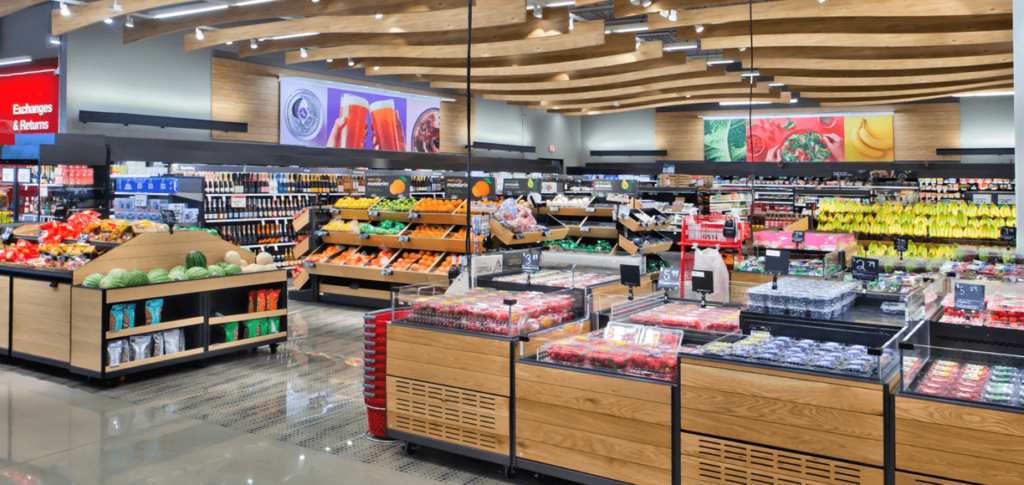
“Second quarter results build on the encouraging momentum we saw in the first quarter, giving us increasing confidence that our strategy is resonating with our guests and strengthening our leadership position in style, design, and value,” said CEO Michael Fiddelke in a financial release.
Relevance: Strong performances in two straight quarters suggests that Target’s efforts to get back to “being Target” are paying off as the retailer rebuilds connections, deepens partnerships, and restores trust with both shoppers and brands while finding the best ways to adapt its legacy for a more demanding commerce marketplace.
Opportunity: Target wins when it offers shoppers something they can’t find anywhere else, which is why exclusivity and merchandising authority are so critical to its success. Brands that deliver Target‑only SKUs, limited‑edition product drops, or unique packaging give the retailer a differentiated story to tell across endcaps, seasonal sets, and digital features. These moments reinforce Target’s reputation as a place for curated discovery and affordable joy.
Click here to learn more strategies for winning at Target.
––––––––––––
The Home Depot Gets in the Express Lane
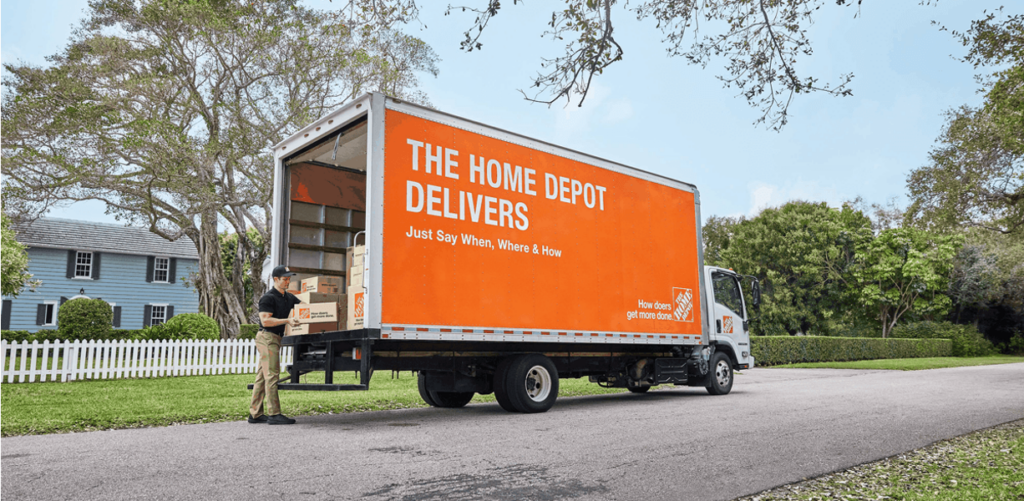
The Home Depot has rolled out Express Delivery service nationally for both Pro and DIY customers. Leveraging the retailer’s 2,000+ stores as “neighborhood fulfillment hubs,” the service promises to deliver trade-grade products and everyday DIY essentials within three hours for a small flat fee, with no subscription or membership required. The fee is $7 in most markets, $10 in some areas with higher related costs.
“Customers expect products to be available when and where they need them, and Express Delivery helps us meet that expectation with a fast, reliable solution,” said Jordan Broggi, The Home Depot’s EVP of Interconnected Retail.
Even speedier delivery is expected to become available soon, the company said in a release. Free same-day delivery on orders of $25 placed by 4pm is already available. The rollout brings on-demand delivery fully in-house, ending The Home Depot’s partnerships with third-party providers.
Relevance: Express delivery services are quickly becoming a standard offering for retailers in nearly all product categories, which is clearly evident in The Home Depot’s decision to take its services in-house to take full control of its own supply chain.
Opportunity: Brands should help The Home Depot drive awareness for the Express Delivery Service and find ways of positioning themselves as “must have now” products for home improvement needs.
––––––––––––
Walmart Looks to Become GLP-1 Central
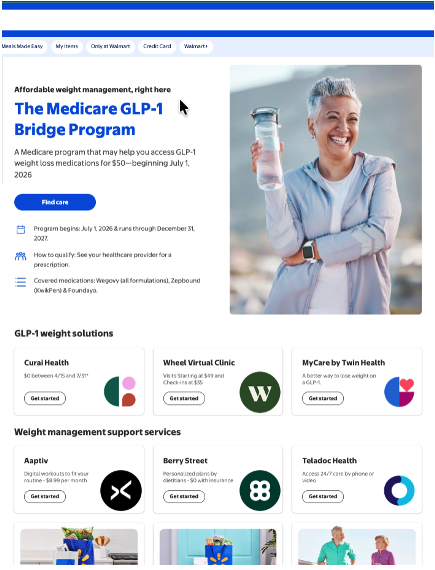
Walmart has launched a dedicated hub on its website that combines pharmacy services, educational information, nutritional guidance, virtual care, and a wide range of relevant products to help GLP-1 users manage their new health regimens.
Currently housed within a broader destination for weight management, the area promises to provide “Support for your GLP-1 journey” by helping users “Find products & services to feel your best — all in 1 spot.”
As GLP-1 adoption continues to grow, Walmart is responding to evolving consumer needs by making health and wellness resources more accessible. The initiative demonstrates how Walmart is creating more connected experiences in a variety of areas that support customers beyond traditional retail.
Relevance: An estimated 11% of U.S. consumers — roughly 38 million people — are currently taking GLP-1 for weight loss purposes, according to Gallup. That level has nearly quadrupled since 2024, creating a sizeable and targetable subgroup of consumers with unique dietary needs and evolving shopping behaviors.
Of potentially even greater relevance to CPG brands is the fact that households with at least one GLP-1 user reduce their grocery spending by 6% within six months of usage, according to Cornell University/Numerator. Studies are showing an increase in purchases of high-protein foods, fruits, vegetables, meat, and vitamins/supplements and a decrease in sugary and salty snacks, soda, alcohol, and baked goods.
Opportunity: GLP-1 adoption is not a behavior shift for individuals but a substantial change in the shopping and consumption habits of entire households that could be signaling the direction mainstream demand is heading. Whether the potential impact on their sales is positive or negative at this stage, brands should build strategies for aligning with these evolving needs through educational content, solution-oriented messaging, and cross-category experiences that deliver value beyond the product itself. Finding out how to collaborate with Walmart’s activities would be a great place to start.
Click here to learn more strategies for winning at Walmart.
––––––––––––
Publicis Commerce’s Retail Consultancy is an unrivaled team of in-market commerce experts who simplify the complexity of retail for our clients. Located in Bentonville, Minneapolis, Cincinnati, Chicago, Seattle, and the “backyards” of other key retailers, they provide deep knowledge of the retailer, expertise in key business areas (like strategy, media and creative), and door-opening personal relationships with key executives to deliver an unmatched level of business success for clients across accounts, channels, and shopper engagement platforms. For more information, contact EVP-Retail Consultancy Kandi Arrington at [email protected].