
Leading retailer networks are creating exclusive content to engage shoppers and build full-funnel opportunities for brand partners.
Remember when simply making content shoppable was a big deal? Leading retail media networks are now taking that concept a whole lot farther by first developing their own content.
The idea that retail media has turned retailers into publishers has become even more literal recently as Walmart, Albertsons, and Target began developing exclusive entertainment content as part of their retail media go-to-market strategies.
The launch of in-house creative studios that help brand partners develop their advertising assets has been a steadily growing trend across networks in recent years.
The most noteworthy recent example might be the June launch of Instacart Ads Studio, a full-service creative marketing operation that the on-demand delivery leader is positioning as a place “where brand stories meet shopping baskets.” Spawned from Local Produce, Instacart’s existing internal agency, the offering worked with 200 brands on 420-plus campaigns during a two-year development stage.
If they haven’t rolled out full-blown creative services, advances in AI are helping networks provide some level of assistance: Nine of the 27 networks covered in Mars United’s Retail Media Report Card at least offer automated content generation tools if not more sophisticated content development services.
Main Street Meets Hollywood Boulevard
Those aforementioned retailers, however, have entered a whole new arena by working with publishing partners and even brand partners to produce original content — as in streaming entertainment — specifically for retail media environments:
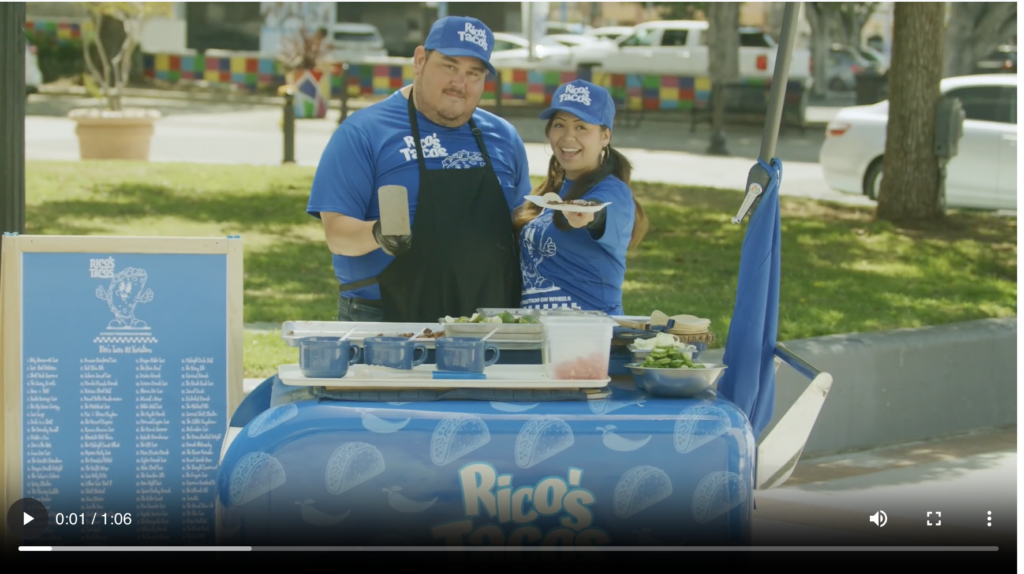
Albertsons Media Collective teamed with Procter & Gamble this summer to unveil a new model for branded entertainment that taps into the broader “micro-drama” trend but is informed by the shopper insights behind all retail media advertising.
Rico’s Tacos, the first scripted short-form video series from the partners, integrated Bounty, Head & Shoulders, Vicks, and other P&G brands into the story of a family-operated business told over the course of 20 one- to two-minute episodes. The series was distributed across Albertsons-owned YouTube, social media, and — most uniquely — in-store digital platforms.
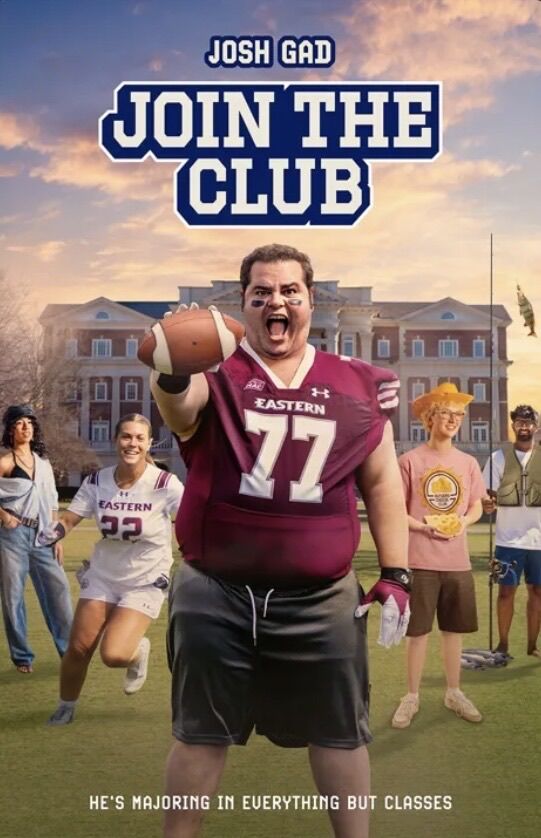
Walmart is leveraging its own VIZIO streaming TV platform to produce and distribute branded content specials that organically weave multiple products into a storyline and send viewers to Walmart.com for purchase. The first iteration, a summer-themed “Backyard Escapes” program in June, was followed by a back-to-college-focused “Join the Club” special in August.
“For too long, the advertising industry has treated storytelling and commerce as separate disciplines,” VIZIO GM Courtney Naudo said in a release about the initiative. “Walmart is creating a new model where content, media, and commerce work together as one connected experience.”
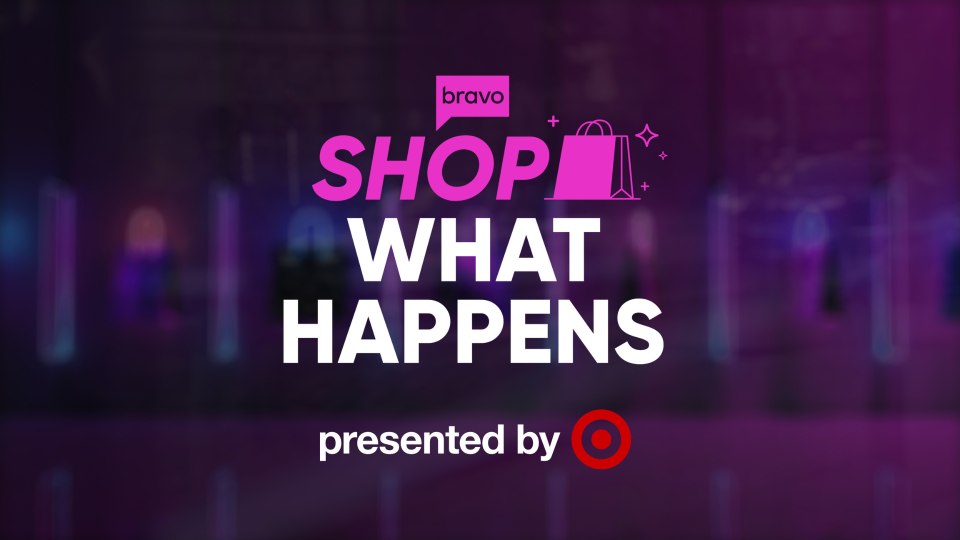
Target, meanwhile, has taken the partnership route, working with NBCUniversal on an exclusive, shoppable digital series overtly titled “Shop What Happens” that lets viewers buy featured products in real time. Streaming platforms include NBCU’s Peacock, TikTok, Instagram, and YouTube.
Formatted for mobile viewing, the series features stars from the NBCU-owned Bravo channel in talk-show style segments about summer trends, fashion, and beauty. Depending on the platform, viewers scan QR codes or click direct links to purchase products showcased in the segments.
Coming Soon to a Media Network Near You?
The idea of retailers and especially brands trying their hand at creating original, ad-friendly entertainment content isn’t anything new. In fact, Walmart and P&G joined forces back in 2010-2011 to produce a “Family Movie Night” series of made-for-TV programming. And historically speaking, P&G is the company that put the soap in “soap opera” by helping launch that genre for radio and television in the 1940s.
What’s new about these latest endeavors is the use of first-party shopper data not only to build an ideal audience but to develop ad hoc content for those audiences. It’s the convergence of entertainment content and commerce, which lets retailers and brands shorten the path from inspiration to purchase through engaging content and technology.
For networks, exclusive content also provides a literally ownable media opportunity to offer brands — at a time when retail media relationships are moving farther away from stand-alone ad buys toward deeper, integrated partnerships.
These efforts also represent yet another way the rest of the retail media marketplace is following the lead of Amazon, whose Prime streaming service has numerous product placement and shoppable ad offerings that turn thousands of original programs into media plays.
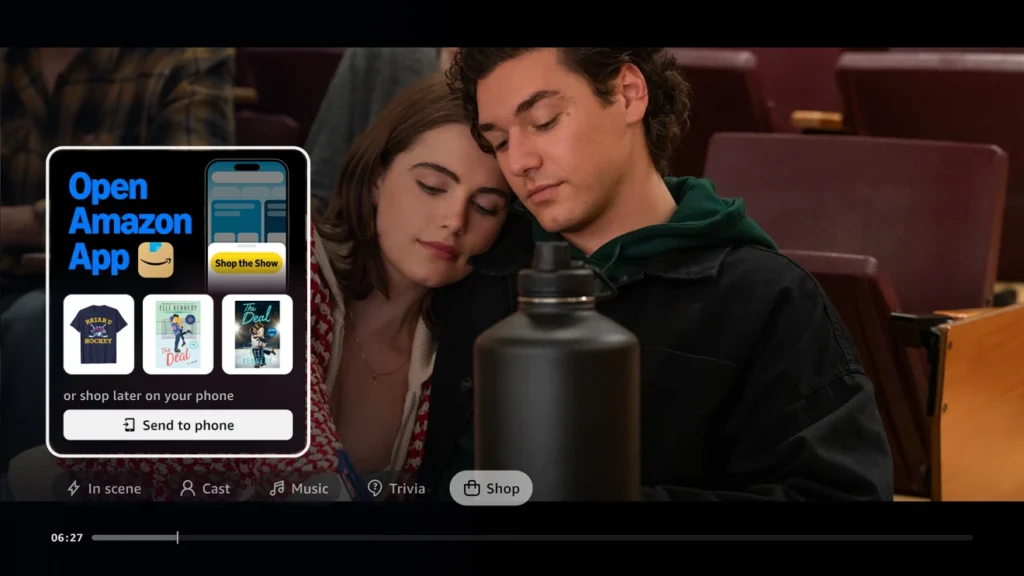
Amazon, in fact, just enhanced its existing “Shop the Show” functionality with a “Shop the Scene” feature that leverages Amazon Lens technology to let viewers tap into the Amazon Shopping app and find items they see within content. And its Brand Innovation Lab already works with advertisers on long-form video programming.
Whatever the motivation, original content can benefit brand partners, who can contribute to (or at least support) entertainment that can drive product discovery farther up the purchase funnel while also providing a direct mechanism for immediate purchase. And by integrating naturally into programming rather than advertising around it, brands connect with audiences in less-disruptive ways that can strengthen engagement and foster trust.
“Traditional branded entertainment usually ran in one direction. A brand made or sponsored content, bought distribution and hoped the right people watched. Measurement came later,” wrote Maureen Kerr, in a recent article for Forbes. “The retailer brings something a studio does not have: a live relationship with the shopper near the moment of purchase and a record of what that shopper actually buys.”
“Retail media is evolving beyond placements toward work that drives brand love, commerce, and measurement,” said Brian Monahan, SVP-Media for Albertsons Media Collective. “With aggregated shopper insights that shape the creative and evaluate performance, brands have a clearer view of what is resonating with their customers and what is driving results.”
Of course, not every retailer has the resources required to create its own entertainment programming. But exclusive arrangements like Target’s deal with NBCUniversal may offer a more feasible blueprint for other networks as retail media success continues moving toward stronger partnerships with brands.
____________
Mars United Commerce is a leading global commerce marketing practice that aligns people, technology, and intelligence to make the business of our clients better today than it was yesterday. Our worldwide capabilities coalesce into four key disciplines — Strategy & Analytics, Content & Experiences, Digital Commerce, and Retail Consultancy — that individually deliver unmatched results for clients and collectively give them an unparalleled network of seamlessly integrated functions across the entire commerce marketing ecosystem. For more information about our commerce media practice, contact Willy Blesener, SVP-Media, at [email protected].