
While theft is a significant problem for retailers, locking up merchandise impedes the customer experience. Fortunately, there are solutions on the horizon.
By Craig Elston, Mars United Commerce
Theft is a real problem for retailers. It causes a significant problem in inventory planning, along with a financial hit to margins. Over the last few years, the standard retailer response has been to lock valuable, desirable, and portable products away from the reach of shoppers.
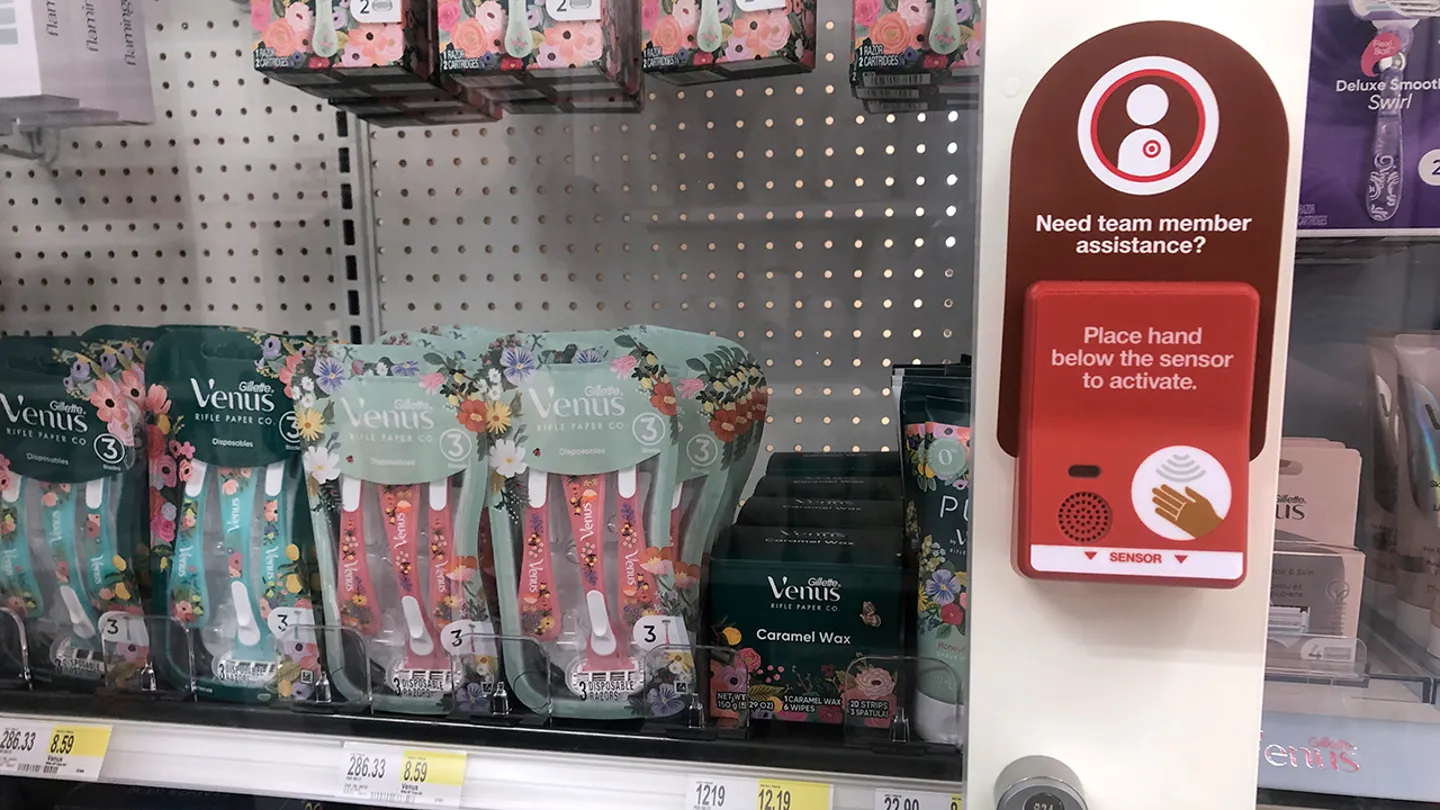
Source: Fox Business
But locking products behind glass or in metal cages is not the long-term solution to this problem. If you have ever shopped at a drugstore in a major U.S. city, or even a Home Depot in the suburbs, you know what I mean. It creates immense frustration when you have to push a button and wait in the aisle for someone to come along and unlock the case — and then stand over you while you take what you’re after and relock the case behind you. It’s awkward and uncomfortable as a shopper — and I’m sure as an employee.
Despite its intent to protect a retailer’s business, there is growing evidence that it achieves the opposite. In a 2024 study from Numerator, 17% of respondents said they would switch retailers and another 10% would abandon the purchase completely if they encounter locked cases. On its January 2025 investors call, Walgreens said that it had “pretty conclusively” experienced sales declines after locking up products. All of which will only accelerate a shift to Amazon and other ecommerce platforms.
Theft prevention has rightly been a continual topic of conversation over the last few years. Yet it shouldn’t, and indeed doesn’t, have to come at the cost of the customer experience, business performance, nor brand perception (locked cases promote a heightened security risk, potentially eroding brand trust).
There are many developments emerging, and 2026 could well be a pivotal year. We expect, and predict, that savvy retailers and technology providers will roll out more solutions that enable shoppers to complete their trip with fewer of these current frustrations. Solutions that will also remove the ability and incentive for theft. Personal identity will be at the heart of these solutions.
We expect to see more technology solutions that link to the shopper’s identity. For example, using a driver’s license and a mobile phone number to gain access without assistance while confirming and connecting the purchase to that shopper’s identity. This will also allow retailers to capture shopper data — yet another step on the shopping journey — that can be utilized within marketing communications.
We will see more near-field communication (NFC) tools that may well provide similar shopper solutions, where your phone becomes an access key to the products held out of reach in a locked case.
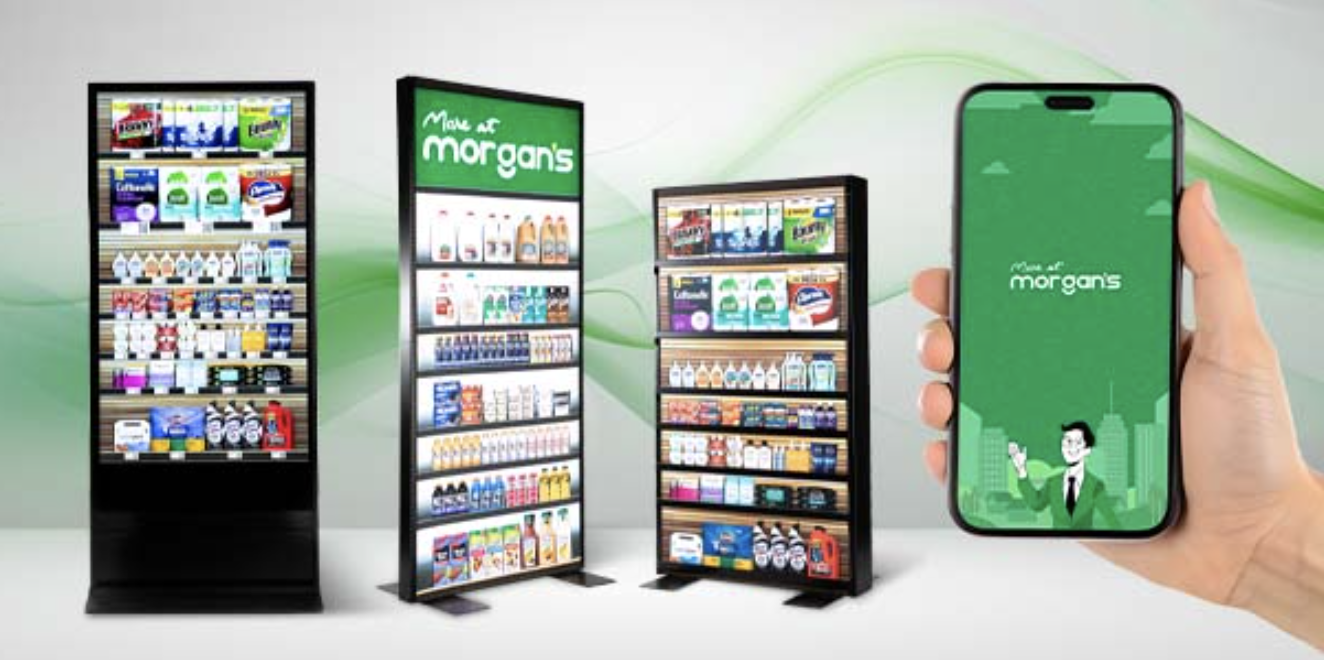
New store concepts such as the soon-to-open Morgan’s Retail in Brooklyn, NY, will do away with physical product displays entirely. Previewed at NRF ’26 this month, the all-virtual concept store showcases carbon copies of products on shoppable digital displays. Shoppers use the screens to build their virtual basket, and then a store associate packs the selections and brings them to checkout. It reminds me of Argos stores in the UK, reconceived for U.S. grocery in 2026 — and bringing another solution to help overcome the challenges of theft.
We also expect to see packaging innovations that render products unusable and, therefore, not worth stealing. We are all familiar with security tags on fashion items, and this approach will move into other categories such as alcohol, either preventing the package from being opened or perhaps even ruining the product if the security device is not removed properly.
Theft is a significant problem that demands real-world solutions, and we expect to start seeing retailers, brands, and other industry solution partners move to improve this frustrating customer experience in 2026. Either that, or every store will become a house of vending machines!
About the Author

Craig Elston heads Strategic Planning & Analytics for Mars United, leading the U.S. team of strategic planners working across all brand and retailer clients while also overseeing the commerce company’s analytics practice. Elston’s extensive experience in commerce marketing includes nearly 20 years at Omnicom and 15 years at The Integer Group, where he was Global Chief Strategy Officer. He also is a well-respected thought leader, having authored numerous research reports and white papers and spoken at countless industry events around the world.