
How to drive conversion in a complex Canadian retail landscape.
By Taylor O’Neill, Mars United Commerce
In the fiercely competitive CPG–retail landscape, shelf placement is earned, not given. Brands that master shelf strategy gain a powerful advantage in-store that can drive engagement, outshine competitors, and transform shelf space into sales.
In this article, we’ll break down retail shelf strategy and the often-overlooked science behind turning space into sales, examining how factors such as placement, packaging design, pricing, and shopper psychology combine to influence purchase decisions in today’s competitive retail environment.
A more crowded landscape than ever before
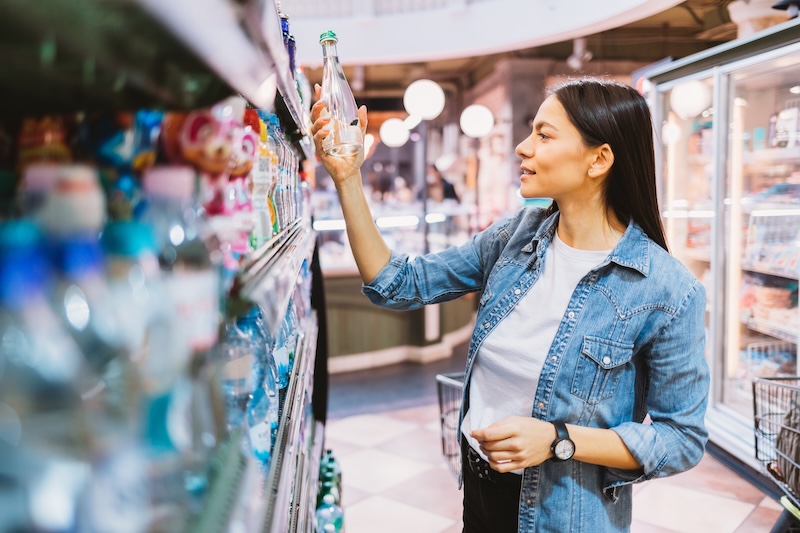
How many water bottles do you look at before you decide which one to buy?
Today’s retail environment is more crowded than ever. New brands continue to enter the market, while established players are relentlessly innovating, leaving shelves packed with hundreds of nearly identical products that blur together in the eyes of shoppers. With packaging, pricing, and product benefit claims so similar from one brand to the next, standing out on shelf has become significantly more difficult.
Consumers are faced with an overwhelming number of choices. This product abundance often leaves shoppers overwhelmed and uncertain — struggling to determine which brand will truly deliver on its promises. Sitting against a backdrop of global cost inflation, evolving shopper expectations, and intensified competition, winning space on the shelf is no longer enough. Brands must now convert attention into action at the very moment of choice.
How to influence the path to purchase
To understand how brands can influence shopper decisions in-store, it’s essential to consider the full path to purchase, the various steps a consumer takes from initial awareness of a product, brand, or service through to final conversion. It encompasses every stage, touchpoint, and influence that shapes how shoppers evaluate options and ultimately decide what to buy.
Strategic retailer relationships unlock high-value placement
Before brands can focus on shelf-level strategy and execution, they first need to gain the opportunity to merchandise in high-impact placements. Securing coveted positions requires more than just strong category performance (although that’s important, of course); brands need to build solid, foundational relationships with their retailer partners. Brands who work closely with merchandising teams, providing actionable category insights and aligning with the retailer’s objectives, are far more likely to earn premium shelf locations. These collaborative partnerships will not only enhance product visibility but can establish a foundation for sustained, long-term in-store support for the brand.
Why shelf placement matters
Shelf placement is often the final and most influential touchpoint on the path to purchase, which puts competing brands in a constant battle for the “golden shelf” placement. Endcap displays and close proximity to high-traffic zones increase visibility and boost baseline sales. According to Engagement Group, over 70% of purchase decisions are made at the shelf. Shoppers tend to buy what they see first in a matter of seconds, so the way products are merchandised through packaging, pricing, placement, and on-shelf communication can all significantly impact their decisions.
Secondary displays drive impulse buys
Endcaps and promotional displays combine visibility, simplicity, urgency, and behavioral triggers to turn casual browsing into impulse buying, making them essential tools for driving incremental sales in retail.
According to Tastewise, strategic positioning such as eye-level shelf placement and other premium locations like endcaps and out-of-aisle displays can meaningfully increase engagement and boost sales by 23%.
In the retail environment, brands that proactively plan and invest money into shelf placement and on-shelf promotions — particularly during key seasonal moments such as Holiday, Christmas, Back-to-School, or Spring Cleaning — gain a significant competitive advantage in driving brand and product visibility. The ones that leave placement solely to retailer merchandising teams risk missing key opportunities to capture attention and build awareness in the store.
Key Factors to Guide Shelf Strategy
PRICE: Retailers tend to favour fast-moving, competitively priced products; slower-moving or less competitively priced SKUs could lead to inefficient use of shelf space and lost revenue.
And for shoppers, price is often the first filter. A product must signal value or align with perceived quality to drive conversion.
Example: A $100 blanket sits next to $70 and $30 options. Shoppers looking for value might question the higher cost, so the $100 blanket needs to prove its worth — “organic cotton,” “handmade,” or “free of microplastics” — to justify the higher price and reinforce the value compared to the lower-priced competitors.
PACKAGING: It’s often forgotten that packaging plays a critical role in driving success in the store. On crowded shelves, the overall packaging aesthetic is what often catches the shopper’s eye at first glance. Bright colours, clear labeling, unique shapes and textures, and/or recognizable branding can make a product stand out immediately beyond the shelf clutter.
Beyond attracting attention, packaging also communicates value, quality, and brand differentiation.
Example: Eco-forward packaging signals sustainability credentials, while refined materials, elevated finishes, and disciplined visual hierarchy communicate superior quality.
Retailers consider packaging design as part of their planogram optimization, favouring packs that deliver strong visual clarity, communicate value efficiently, and contribute to overall shelf productivity.
COMMUNICATION: In a high-velocity retail environment, purchase decisions are made in seconds. Clear, focused on-pack messaging that communicates key value drivers — health, taste, convenience, brand equity — helps shoppers rapidly evaluate options and make their selection.
On-pack claims also differentiate a product by emphasizing unique selling points such as organic ingredients, low sugar, or high protein, which can justify the price and influence preference amongst competitors.
From a retailer’s perspective, products with impactful on-pack storytelling often deliver faster inventory turnover and require less explanation or in-store marketing support — which, in turn, make them more attractive for premium shelf placement. According to Social Targeter, 55% of consumers are more likely to buy a product if they’ve developed a personal connection to the brand’s story.
Example: A label reading “Gluten-Free, High-Protein Snack” immediately signals value to health-conscious consumers, increasing conversion compared to a simple and generic “Snack” label.
In a crowded retail environment, success belongs to the brands that combine relentless determination with informed creativity. By truly understanding the store landscape, brands can rise above the noise and secure their place among sales leaders. With the right strategy, your product will truly stand out on the shelf.
Discover More Insights on the Canadian Retail Landscape: Want to stay ahead in the competitive world of Canadian retail? Dive deeper into shopper behavior, shelf strategy, category trends, and actionable tips that can help your brand stand out, drive sales, and maximize in-store impact here.
About the Author

Taylor O’Neill is a Commerce Media Manager at Mars United who specializes in building and executing impactful shopper marketing campaigns, fostering strong partnerships, and infusing every project with energy and creativity.