
By Matt Korotko, Mars United Commerce
Shoppers continue to adopt agentic commerce solutions as purchasing tools, further collapsing the shopping journey.
Their prompts have spanned health & wellness questions, mathematical calculations, personal writing, image generation, and everything in between. More importantly for commerce practitioners, 2.1% of all daily prompts on OpenAI’s ChatGPT represent conversations about buying something, according to research from Harvard and Duke universities published last fall (How People Use Chat GPT).
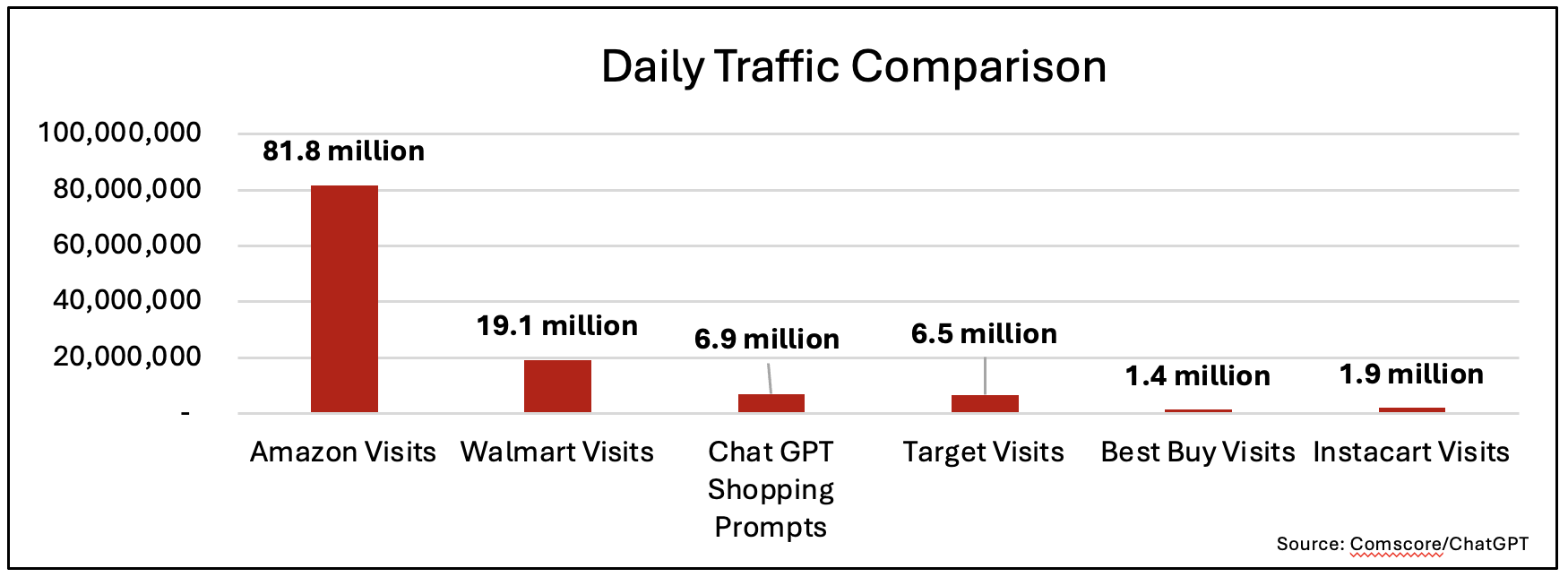
Although 2.1% seems like a small proportion of the entire behavior pool, the number of prompts it represents — 6.9 million — in fact outnumbers daily visits to Target, Best Buy, and Instacart, according to Comscore (see chart).
One in five shoppers are already using AI for product discovery and inspiration at least occasionally, which means we soon could see them skipping the search bar on retailer websites altogether. That kind of change in behavior would have a significant impact on current retail media practices — as sponsored products on search engine results pages and other onsite display ads face diminishing impressions.
But instead of focusing on whether they will lose impressions and, therefore, ad inventory, retailers that innovate by expanding their network advertising into agentic commerce touchpoints will unlock continued growth and sales.
Expanding into Agentic Commerce Touchpoints
It’s safe to say that, through their control of purchase data, product inventory, promotions, pricing, basket building, order fulfillment, and payment mechanisms, retailers will remain the core of commerce.
Agentic commerce will simply become another point of entry for shoppers to browse a different formulation of the retailer’s shelf.
At the moment, however, only two out of five retail media networks are piloting agentic commerce, according to Salesforce’s most recent Connected Shoppers Report. That means three out of five are already behind the pace of change in developing new engagement models for expanding their digital shelf.
In general, networks ahead of the curve are working on one of two models:
Walled Garden: The retailer builds, owns, and operates its own agent, with no third-party connections or collaboration. The pros here include strong integration of shelf, data, and product placement within the agentic experience. Examples include:
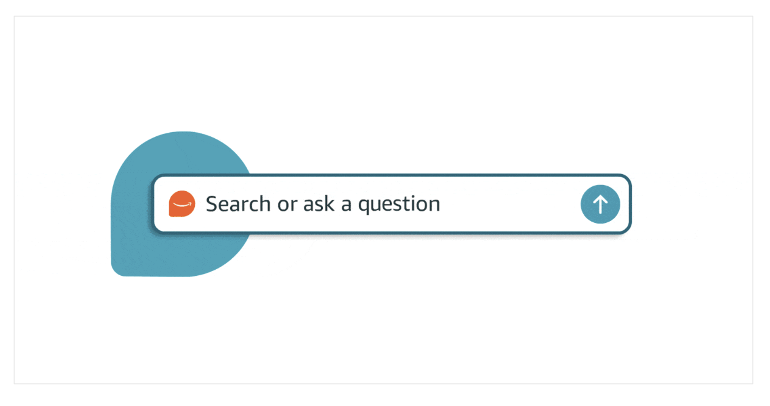
- Rufus, Amazon’s very own AI-powered shopping experience, lets users ask all kinds of shopping questions on the ecommerce leader’s app or website.
- The Home Depot’s Material List Builder is a new AI capability that helps professional renovators, remodelers, and builders manage their project needs. The tool interprets project intent and generates a list of materials needed for the job within a specified budget.
Connected Partnership: The retailer partners with a third-party agent like ChatGPT, Google’s Gemini, or Perplexity AI. The pros of this approach are faster speed to market, lower costs, and greater turn-key scale compared with sole ownership of the experience, which makes it very beneficial for smaller retailers. Examples include:
- Walmart is letting shoppers buy Walmart and Sam’s Club products through Gemini. Google will pull assortments and pricing details directly from the retailer to present real-time availability to shoppers. Walmart and Sam’s Club loyalty-program members will link their accounts with Google to enjoy all the related benefits — which in turn will help Gemini better understand user preferences based on shopping history.
- Kroger recently unveiled plans to adopt the Gemini Enterprise for Customer Experience solution to facilitate faster shopping without compromising personalization. The resulting shopping assistant will deliver AI-enabled features, converting customer requests like “I want to make vegan tomato soup” into a guided recipe with ingredients easily added to a cart.
__________
Regardless of the model, retailers need to build real estate within agentic commerce platforms to establish pathways for future ad inventory development.
__________
We’re just now seeing the first players enter the market to monetize the prompts and conversations of agentic commerce, kicking off what we expect will be one to two years of innovation, experimentation, and learning about the ad products, formats, pricing models, targeting models, and measurement that will work within this space.
Although much is still unknown, we’ve identified three main trends that will drive the retail media network industry forward into agentic commerce.
- There potentially will be less reliance on onsite paid search ads, although the level of reduction isn’t clear yet — if it happens at all.
- Networks will focus on expanding their display and programmatic advertising, securing agentic offsite and owned/operated real estate using a CPM model.
- Marketers may leverage their retail media budgets to move up the funnel for brand advertising opportunities — while still using deep conversion and ROAS metrics to measure impact.
Recent news from OpenAI that ads will soon be appearing on ChatGPT (for some users) point to these exact scenarios. The company’s closed pilot will prioritize testing of text + image display units on a CPM basis. The ad formats are designed to be low-friction, “answer first, ad second,” with clearly labeled, sponsored units appearing below AI-generated responses and controls in place for relevance, personalization, and safety. OpenAI is promising that the ads will be contextual to the current conversation and not rewrite or bias the answer.

Image created by ChatGPT
We also expect to see some completely new, out-of-the-box ad formats. Perplexity, for example, is testing display-style ads that appear within the answer to a question in the form of “follow up” questions.
Ultimately, retailers who decide to own and operate their own agentic solutions will have a sandbox to completely rethink the ad formats they can effectively deliver to shoppers. But we expect most retail media networks to instead build pipelines and connectivity to the various third-party ecosystems that are already out there.
In either case, innovation is needed if retail media networks want to continue growing as agentic commerce evolves.
About the Author

Matt Korotko is Group Vice President, New Business Strategy & Consulting for the Retailer CX practice at Mars United. He has spent 15 years in the retail media network space piloting some of the first investments in the industry. Today, he uses his expertise to help retail media networks optimize, grow, or build from the ground up.