
Three signals pointing toward an AI-driven, immediacy-focused future for this wholly unique category.
By Isis DiLoreti, Mars United Commerce
Digital shelf discipline, AI readiness, and immediacy-driven commerce, were the three most important implications arising from the conversations at P2PI’s first standalone Bev-Alc Commerce Initiative (BACi) meeting in Charlotte last month. Here is a closer look at these three takeaways.
1. The digital shelf is becoming the operating system for growth.
One of the strongest signals from Charlotte was that beverage alcohol can no longer afford to treat the digital shelf as fragmented back-end work because it is is rapidly becoming the operating system for both discoverability and conversion — in large part due to the impact that agentic AI technology will have.
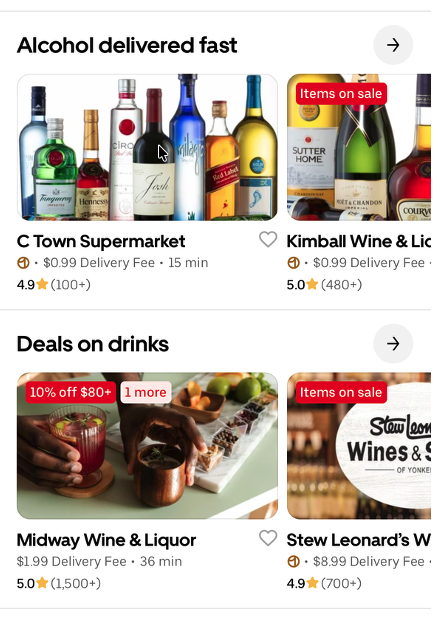
BACi’s evolving standards framework for product detail pages makes the path clear: First get the fundamentals right, then build toward richer, more structured content that improves decision-making for both shoppers and machines. For bev-alc brands operating across a complex three-tier ecosystem (of production, distribution, and sales), this shift matters. Winning will require not only better-looking PDPs, but usable, scalable, and recommendation-ready content spanning all channels.
2. Brands must build for human influence and algorithmic decisioning simultaneously.
The category is now operating in two parallel realities. On-premise remains one of the most powerful environments for trial, storytelling, and premiumization, but AI increasingly is influencing the way consumers research, compare, and select products — regardless of the “premise” where they ultimately make the purchase.
Brand growth strategies, therefore, can no longer separate the physical experience from digital decisioning. And the implication is larger than content optimization: brands need product stories, attributes, and commerce signals that can travel across retail media, search, marketplace listings, AI-driven discovery and all the way to bartender recommendations. To win, they need to make themselves easy to choose in both human- and machine-led environments.
3. Immediacy is reshaping the commerce model — and expanding what qualifies as a brand touchpoint.
The conversations in Charlotte made it clear that convenience-focused engagement platforms, connected packaging, and evolving loyalty models are all heading in the same direction as commerce becomes more immediate, more addressable, and more measurable:
- Delivery marketplaces are creating distinct purchase occasions based on their own conversion dynamics.
- Packaging is shifting from static branding to live media and data capture.
- Loyalty is moving beyond promotion toward longer-term relationship infrastructures.
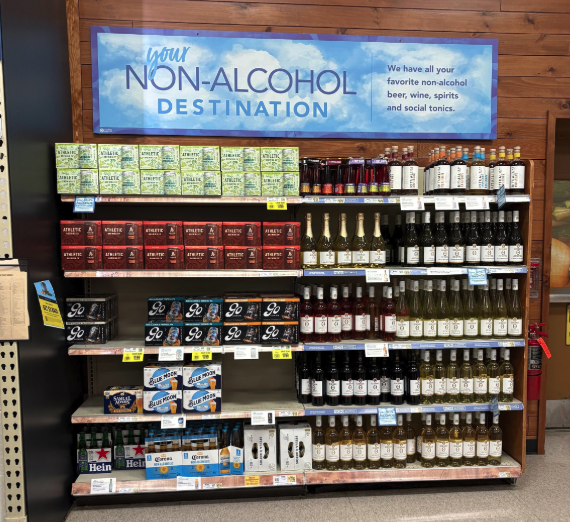
Photo courtesy of Path to Purchase Institute
Taken together, these changes expand the number of places where a brand can influence choice — but also raise expectations that each touchpoint needs to do more. For beverage alcohol brands, the opportunity lies in designing these moments to better drive trial, capture shopper signals, and deepen ongoing engagement.
BACi’s event reinforced what many beverage alcohol brands were already feeling: the bev-alc category has entered an era of connected commerce where content quality, channel strategy, shopper utility, and data readiness can no longer operate in silos. The next phase of growth requires brands to treat commerce as an integrated system built to influence discovery, conversion, and loyalty across every touchpoint that matters.
About the Author

Isis DiLoreti is VP-Client Leadership at TWINOAKS/Mars United Commerce, where she leads integrated commerce and marketing partnerships that drive growth for global brands. Her career has spanned media, experiential marketing, PR, and fundraising, giving her a dynamic, relationship-driven approach to modern commerce and client leadership.