
As part of their ongoing mission to help clients stay ahead of the competition in a fast-paced, constantly evolving marketplace, the field teams in Publicis Commerce’s Retail Consultancy closely monitor the strategic activity taking place across all key retailers and channels.
Each month, the teams compile Marketplace Assessment reports on the retailers (including Walmart, Target, Amazon, and Kroger) and channels (such as Regional Grocery, C-Store, Club, Pet, Beauty, and On-Demand Delivery) that are most important to the business success of our clients. The following report outlines noteworthy events across nine key retailers from the team’s most recent round of assessments. (To receive copies of the full reports, contact EVP-Retail Consultancy Kandi Arrington at [email protected].)
____________
Target Adds Another Agentic Integration

Target is tapping into Google’s Universal Commerce Protocol (UCP) to embed its core online shopping experience directly into the Gemini agentic search platform. Google’s conversational search engine will soon surface Target’s product listings within relevant prompts and let shoppers make purchases directly from the retailer without leaving the native environment.
The UCP lets Target bring its “curation and value” into the Gemini app and the conversational AI Mode interface in standard Google Search, “making it easier for consumers to discover and purchase on-trend, design-forward products — all with an experience that feels natural, helpful, and built around their needs,” explained Prat Vemana, Target’s EVP and Chief Information and Product Officer, in a corporate post.
Relevance: Target also launched an app within ChatGPT last November and is implementing a variety of internal AI initiatives, illustrating how agentic commerce is rapidly changing the retailer’s broader shopper engagement strategy.
Opportunity: As Target (and other key retailers) integrate with third-party platforms, brands must continue to optimize product content to keep pace with this intensifying shift to agentic search.
____________
Loblaw Embraces AI-Driven Digital Commerce
Canadian retail giant Loblaw is likewise leveraging Google’s UCP, saying it will soon be the first major Canadian retailer to make its products available through AI Mode and Gemini. “We see agentic commerce as a natural evolution of how our customers want to shop,” said Lauren Steinberg, Loblaw’s Chief Digital Officer, in a release. The retailer simultaneously is scaling its use of Google Cloud across many core functions, including merchandising, supply chain, and in-store operations.
The news follows an integration with OpenAI that brought the retailer’s PC Express grocery delivery app into ChatGPT. The embedded app lets shoppers find meal inspiration, get recommendations for products that are in-stock locally, and streamline shopping lists within the chat. Loblaw said in a release it will also equip its workforce with ChatGPT Enterprise, an AI solution designed to aid productivity and innovation.
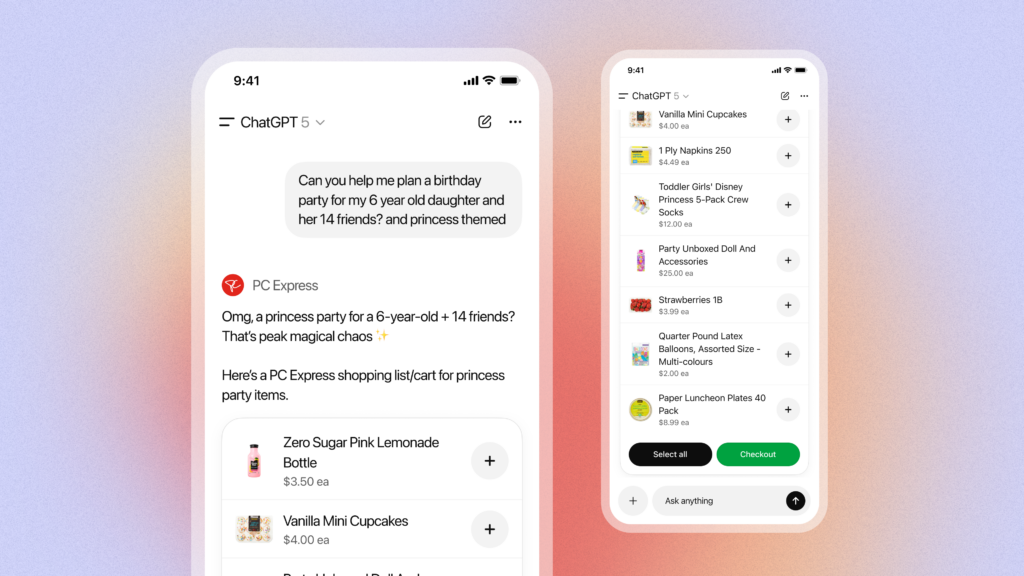
Relevance: As agentic commerce takes off beyond U.S. retail, Loblaw’s parallel investments in both consumer-facing and enterprise AI tools suggest a broader effort to modernize operations while meeting shoppers through emerging digital channels.
Opportunity: For brands, the shift underscores the importance of maintaining accurate, structured product data and local inventory visibility as AI platforms increasingly mediate discovery and purchase decisions.
____________
Uber Intros AI-Powered Cart Assistant
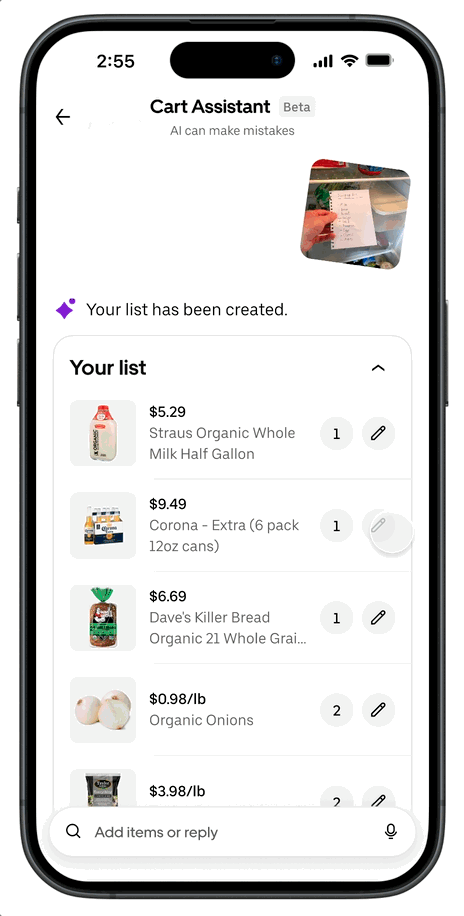
Uber launched an AI-enabled feature in the Uber Eats app that builds shopping baskets “in seconds” from typed lists, images of handwritten lists, or screenshots of recipe ingredients. Dubbed Cart Assistant, the tool automatically checks product availability and past Uber Eats orders to prioritize familiar products, and also presents store-level pricing and promotions, according to a corporate post.
The tool is currently available for use with dozens of Uber Eats grocery partners in the U.S., including Albertsons, Aldi, Kroger, and Safeway, with more to follow.
Relevance: Uber’s Cart Assistant reflects how AI is being applied to streamline routine shopping tasks within existing apps, reducing friction in list-building and product discovery.
Opportunity: The feature once again underscores the importance of accurate product data, clear imagery, and promotional visibility as AI tools increasingly determine which products are surfaced or prioritized in digital discovery. Maintaining strong performance within retailer ecosystems will be critical as automated list-building becomes more common.
____________
Walmart Preps Cross-Border Shipping Program
An imminent initiative called Walmart Exports will expand the retailer’s ecommerce marketplace beyond the U.S. to shoppers in Canada and Mexico, according to shipping software provider GeekSeller. Eligible products from brands using the retailer’s third-party fulfillment service will be enrolled automatically, with Walmart handling international picking, packing, and shipping. (Food, supplements, and cosmetics are among the categories commonly excluded.) The program will expand to additional countries in the future.

In the U.S., meanwhile, Walmart will steadily add 150 more stores to its on-demand drone delivery service through 2027, which ultimately will bring the capability to 270 of its roughly 4,600 domestic locations. The expansion plans span Los Angeles, St. Louis, Cincinnati, and Miami, building on existing operations in Dallas-Fort Worth and Atlanta where delivery volume has tripled in the past six months, according to a release. The service is powered by Google affiliate Wing.
Relevance: Third-party sellers enable Walmart to broaden its assortment, particularly in categories such as automotive, toys, electronics, and apparel, EVP and CFO John David Rainey said during a November 2025 earnings call. Wing’s partnership with Walmart, which began in 2023 as a small pilot, has now expanded into a multi-market rollout. Once this current wave is completed, drone delivery will have reached about 10% of the U.S. population.
Opportunity: Walmart Exports will expand the customer base for eligible brands without requiring separate inventory, changes to fulfillment workflow, or additional service fees. Meanwhile, popular drone-delivery products include groceries, positioning the service as a recurring fulfillment option in participating markets. Brands should closely monitor in-stock performance and understand where drone delivery adoption is highest to align inventory and marketing efforts accordingly.
____________
Amazon Counts on Whole Foods for Physical Growth
Amazon plans to open some 100 Whole Foods Market stores over the next few years. The announcement came in conjunction with news that the company would close all Amazon Go and Amazon Fresh locations, an unspecified number of which will be converted to Whole Foods — which currently boasts some 550 locations. By the end of 2026, Amazon also intends to open five more Whole Foods Market Daily Shop stores; the smaller format is performing well, driven by its fast, convenient shopping experience and curated assortment, the retailer said.
Amazon also promised to continue testing alternative brick-and-mortar grocery experiences, such as the hybrid Amazon grocery store alongside Whole Foods in Chicago and the “store-within-a-store” pilot near Philadelphia combining Whole Foods groceries with an inventory of Amazon essentials. Other retail concepts reportedly in development include a supercenter-style “mega-store” in Oak Brook, IL, and another big-box mass format in Orland Park, IL.
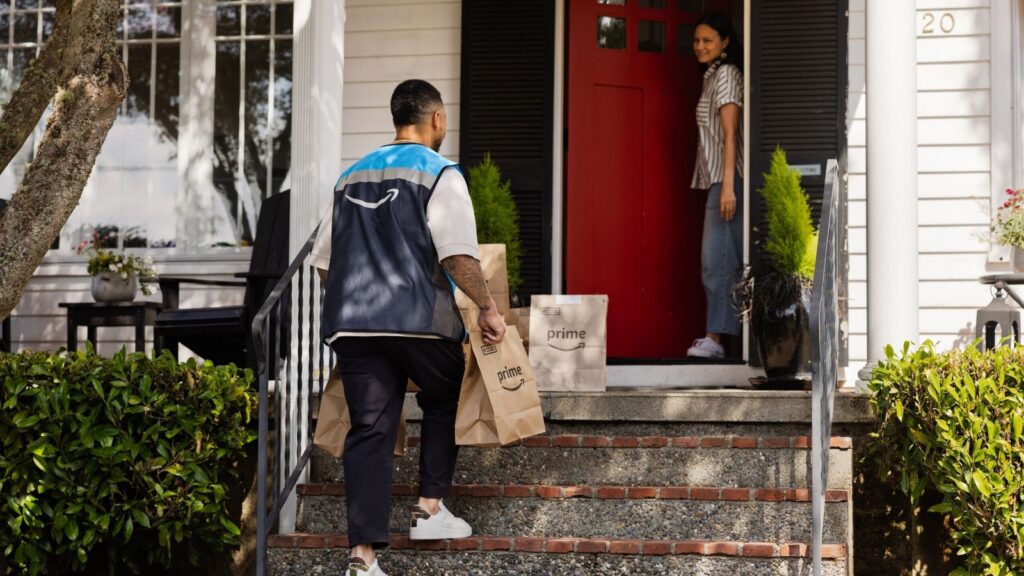
Relevance: Alongside the Whole Foods expansion, Amazon is prioritizing other grocery growth areas, including online delivery. The service is now available in roughly 5,000 U.S. municipalities, with further expansion planned for 2026. In December, the company also began testing “ultra-fast” Amazon Now deliveries in parts of Seattle and Philadelphia that promise fulfillment in 30 minutes or less.
Opportunity: As Amazon refocuses (and perhaps de-emphasizes) its brick-and-mortar strategy, brands should ensure merchandising and promotional alignment with Whole Foods and explore opportunities at any emerging formats that may come along.
____________
BJ’s Accelerates U.S. Expansion
BJ’s Wholesale Club opened three new stores in January, marking the start of a broader 2026 expansion plan that includes the retailer’s first Texas locations — primarily in the Dallas-Fort Worth area. The January openings spanned traditional warehouse clubs in Selma, NC, and Chattanooga, TN, as well as a smaller-format BJ’s Market — the second of its kind — in Delray Beach, FL.
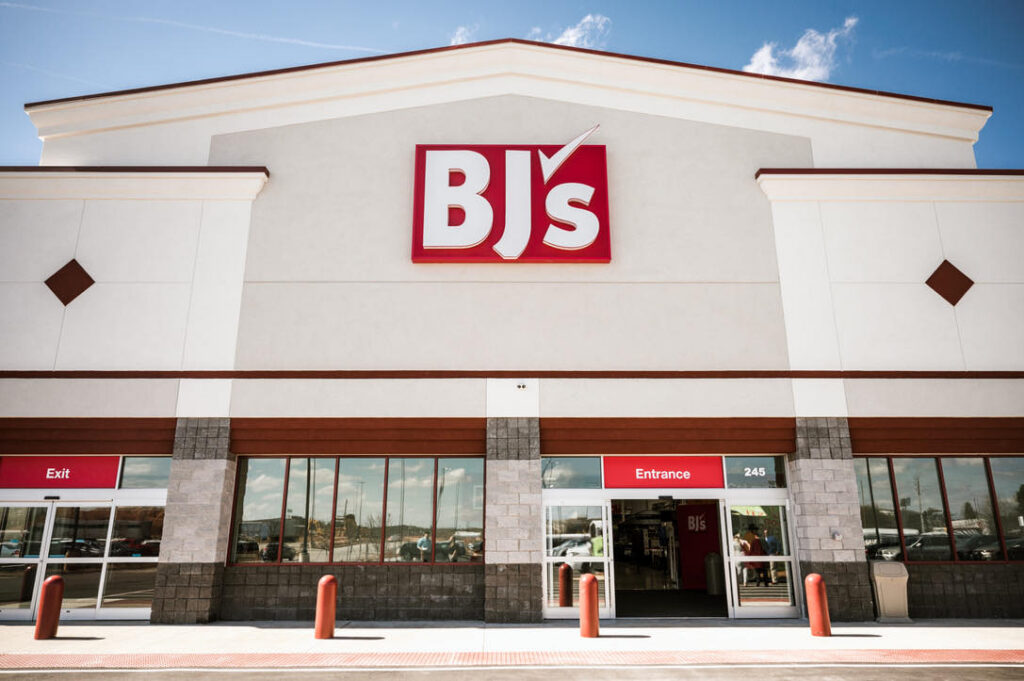
“BJ’s Market offers … a smaller footprint that makes for a quick shopping experience … perfect for families making a weeknight grocery run or a fast weekend trip between games and activities,” said Bill Werner, EVP, Strategy and Development, in a release.
Relevance: BJ’s isn’t just opening isolated stores, it’s systematically expanding across existing and new markets and intensifying competition with warehouse rivals Costco and Sam’s Club. In March 2025, the company announced plans to add 25 to 30 locations over the next two years, indicating confidence in the business model and continued investment in physical retail. The retailer’s current footprint spans 261 clubs and 198 accompanying BJ’s Gas sites in 21 states.
Opportunity: Continued expansion creates new points of distribution for brands, particularly in high-growth markets. Early alignment on assortment and promotions will be ideal.
____________
Ulta Beauty Doubles Down on Wellness
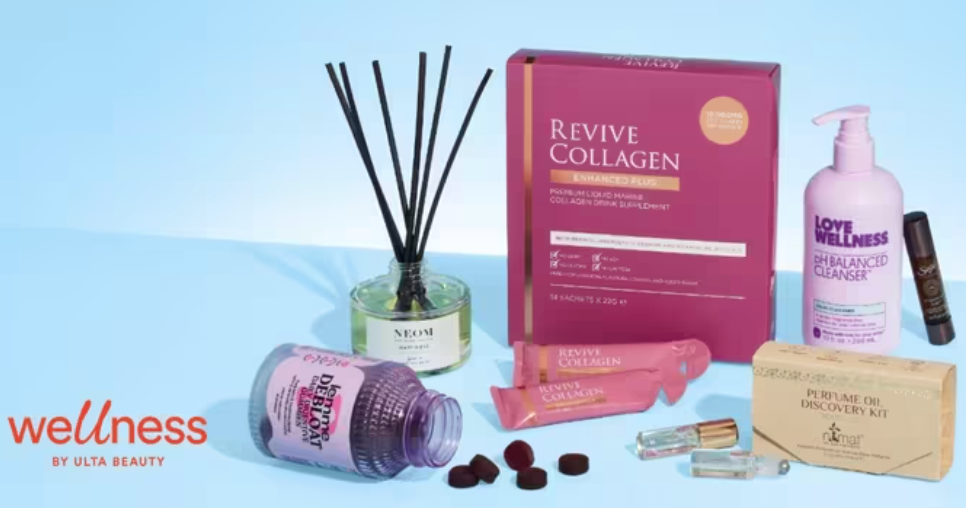
Ulta Beauty has revamped its wellness pillar into a more immersive, education-led platform under a new “Wellness by Ulta Beauty” name and “Find your feel-good” tagline. The retailer began showcasing the change by rebranding and upgrading existing “The Wellness Shop” boutiques as Wellness by Ulta Beauty in four stores.
The boutiques range from 300 to 600 square feet and feature refreshed branding, intuitive navigation, interactive education, and dedicated wellness advisors, according to reports. Their initial assortment spans 58 brands reorganized into four product categories: nutrition and supplements, intimate care, rest and reset, and essential routines. All stores will get refreshed visuals this spring; Ulta Beauty’s ecommerce environment is also being reorganized to reflect the refined category organization.
Relevance: Ulta Beauty first launched a wellness category in 2011 but recently identified it as a key pillar of the “Ulta Unleashed” turnaround strategy, which heavily emphasizes physical retail. Labeling its 1,500 U.S. stores as “experience centers” that provide education and personalized guidance, Ulta is positioning itself as a trusted advisor in a competitive wellness market.
Opportunity: Experience drives engagement: Retailers can’t solely rely on product assortment as consumers increasingly expect elevated in-store experiences. Ulta is working to cultivate deeper consumer connections and brand loyalty by establishing a credible retail destination for wellness that appeals to both avid wellness shoppers and newcomers. Brands should be prepared to help Ulta capture more engaged, loyalty-driven wellness shoppers.
____________
Sephora Shifts K-Beauty into High Gear
Sephora is looking to expand and elevate its global Korean-beauty presence by teaming up with South Korea’s leading beauty and wellness retailer, CJ Olive Young. The collaboration will integrate Olive Young’s trend-driven selection into Sephora’s retail ecosystem, introducing curated K-beauty assortments and dedicated “K-beauty zones” online and to roughly 700 Sephora stores in the U.S., Canada, and Asia.
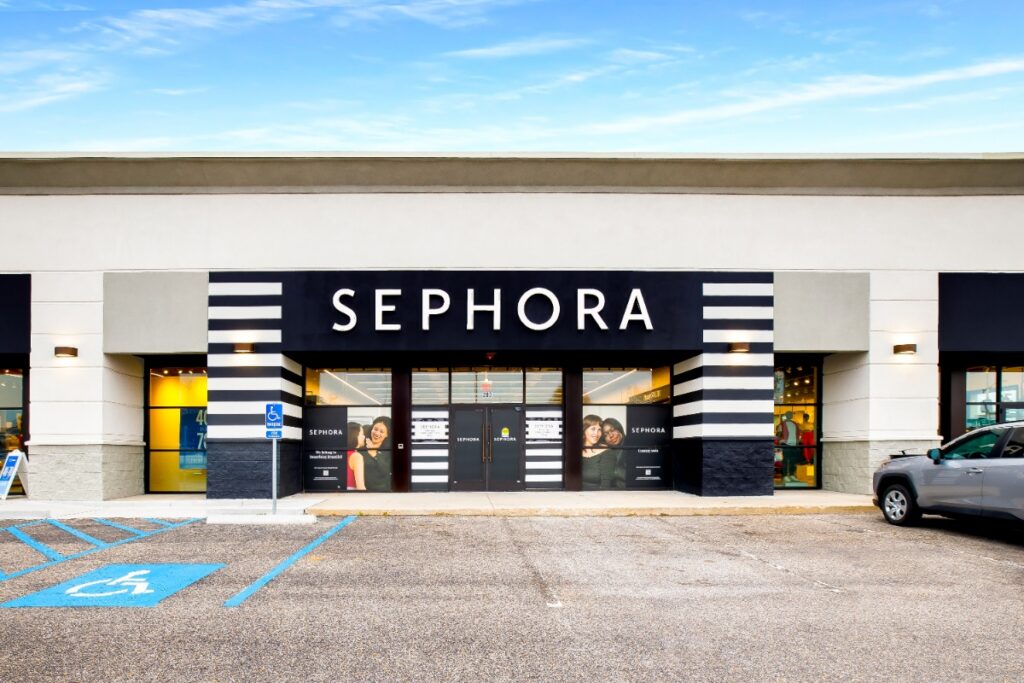
“Sephora was the first major retailer to debut K-beauty brands [for] North American consumers in 2010,” Global Chief Merchandising Officer Priya Venkatesh said in a release. Olive Young’s “differentiated assortment, coupled with Sephora’s unique point of view on the beauty shopping experience, will bring an unrivaled and inspiring offer for all beauty lovers who are keen to explore the most sought-after Korean beauty products.”
Relevance: The partnership highlights K-beauty’s growing role as a global growth driver and reflects the broader shift in beauty retail strategy from simply expanding assortment to enhancing the customer experience. The initiative also underscores how major retailers are leveraging partnerships to accelerate relevance rather than building category authority internally.
Opportunity: As initiatives that combine physical retail spaces with digital discovery become the standard for launching and scaling trend-driven categories, brands should contribute seamless, cross-channel experiences with storytelling that resonates both in-store and online.
____________
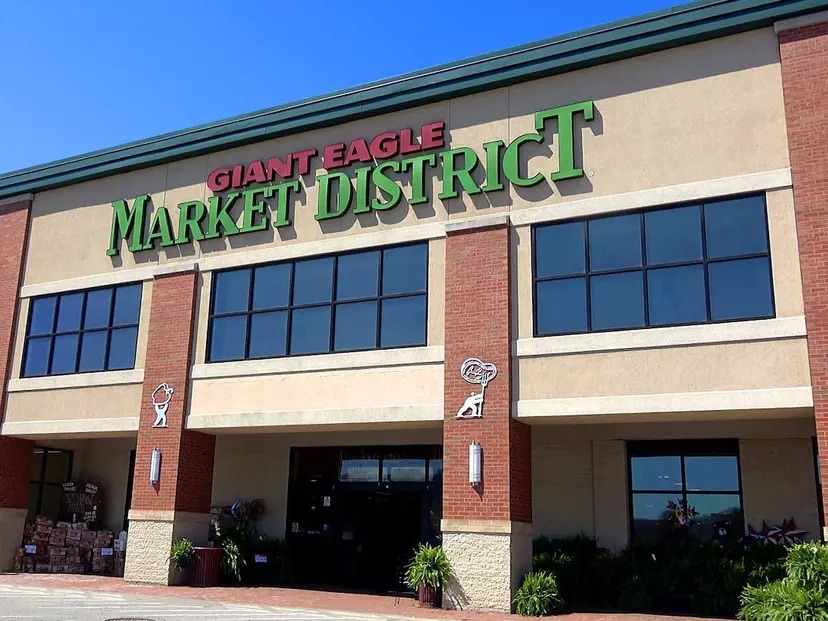
Giant Eagle Adds Alcohol Cashback
Giant Eagle has joined the digital alcohol rebate program operated by technology provider Swiftly. Accessible via the retailer’s digital channels, the Alcohol Cashback program will deliver state-specific, real-time offers on beer, wine, and spirits to the retailer’s myPerks loyalty cardholders, with near-instant cashback payouts via PayPal, Venmo, or digital prepaid Visa. The goal is to bypass the slow, manual process of traditional mail-in rebates.
“Partnering with Swiftly allows us to enhance our rebate process with new digital capabilities while deepening engagement with both our customers and [brand] partners,” said Justin Weinstein, Giant Eagle’s Chief Merchandising and Marketing Officer, in a Swiftly release.
The grocer’s implementation of Swiftly’s alc-bev program follows on the heels of the platform’s integrations with several convenience stores, including 7-Eleven.
Relevance: Positioned as a measurable, regulation-compliant way for brands to engage consumers, Swiftly’s digital program addresses the historically low redemption rates of traditional mail-in alcohol rebates by reaching shoppers at the point of purchase with a faster, simpler process. For retailers, it can drive incremental sales and potentially strengthen shopper loyalty.
Opportunity: Alcohol brands working with Giant Eagle can leverage this scalable, transparent program to motivate shoppers in a highly regulated category. The Swiftly platform also provides real-time campaign performance insights, including redemption rates and regional product performance, that can inform future promotions.
____________
Publicis Commerce’s Retail Consultancy is an unrivaled team of in-market commerce experts who simplify the complexity of retail for our clients. Located in Bentonville, Minneapolis, Cincinnati, Chicago, Seattle, and the “backyards” of other key retailers, they provide deep knowledge of the retailer, expertise in key business areas (like strategy, media and creative), and door-opening personal relationships with key executives to deliver an unmatched level of business success for clients across accounts, channels, and shopper engagement platforms. For more information, contact EVP-Retail Consultancy Kandi Arrington at [email protected].