
The biggest takeaway from this year’s P2PI Retail Media Summit Canada was not a new format, a new RMN, or a new targeting feature; it was the recognition that retail media in Canada is leveling up.
 Each session at the one-day conference kept coming back to the same pressure points: incrementality, measurement, in-store relevance, and the reality that Canadian shoppers behave differently than many general retail media playbooks assume.
From the perspective of this commerce agency practitioner, here are five insights that will shape how marketers plan, buy, and measure retail media in Canada going forward.
1. “Value” Is Bigger Than Price
Avie Leang-Lorenzo, VP Merchandising Solutions and Business Intelligence at Sobeys, shared an important shift in the way Canadian shoppers define value. Price matters more than ever, but it’s no longer the full story. Shoppers are now also weighing:
- Quality,
- Nutrition and ingredients,
- Convenience,
- Experience,
- Emotional connection, and
- Price.
For retail media, this changes how brands need to show up. Price-led messaging and promotions are not enough to win. The ad creative and messaging, along with the product detail page, all need to clearly explain why a product is “worth it.”
Retail media is becoming a place where brands need to communicate value, not just drive awareness for an LTO.
2. Canada Is Not a Smaller Version of the U.S.
A consistent theme across speakers was the unique regional, cultural, and retail realities that shape how Canadian shoppers behave and how media performs. What works in the U.S. can’t simply be copied and pasted for the Canadian market.
Brands that build Canadian-specific retail media strategies will outperform the ones running off global playbooks. This applies to media mix, creative, retailer selection, and targeting approaches. Canada should be treated as its own retail media ecosystem with its own set of rules.
3. In-Store Is the Most Underused Channel
Several sessions highlighted the striking gap between where shoppers buy and where brands invest:
- 94% of commerce still happens in physical stores.
- 96% of transactions at Loblaws and Shoppers Drug Mart are in-store.
- 53% of the PC Optimum loyalty program’s members research online but then buy in-store.
Yet in-store media often receives far less attention and measurement rigor — not to mention investments — than ecommerce placements.
Retailers are working to close this gap. Digital screens, static signage, and physical placements are becoming integral parts of omnichannel media plans.
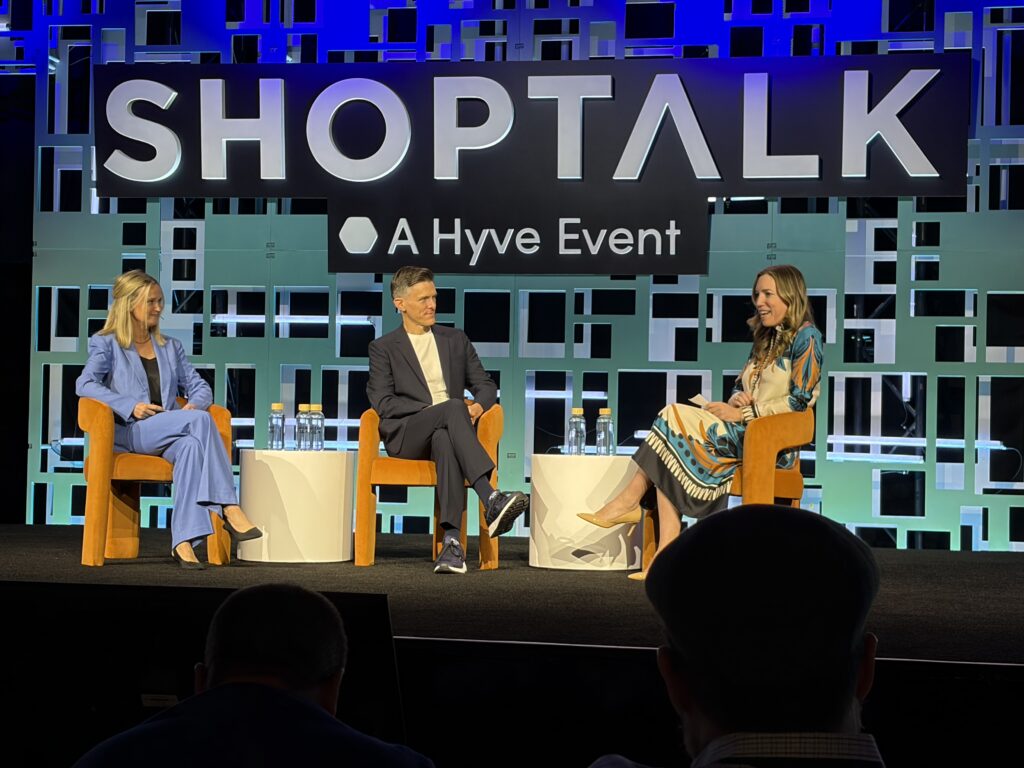
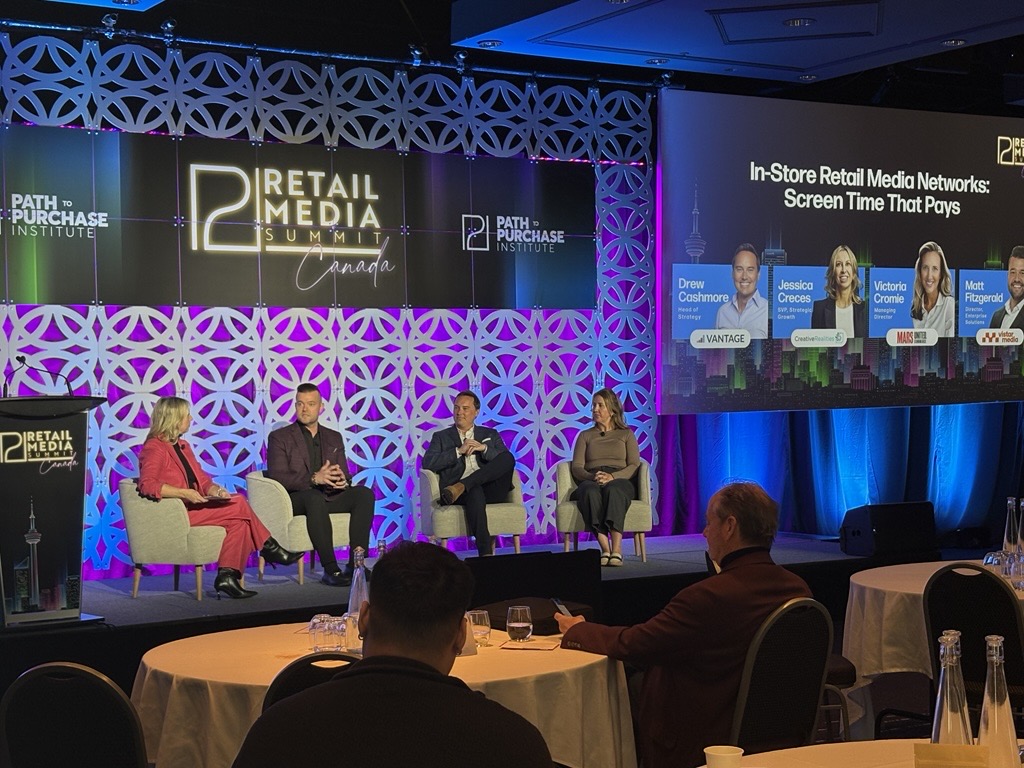
This theme came through strongly in a session with Mars United Managing Director Victoria Cromie, who shared the importance of end-to-end commerce and holistic planning under one team instead of a siloed approach with different teams planning each piece of the journey. The message was clear: in-store is no longer just a shopper marketing tactic; it’s a scalable media channel.
For brands and agencies, this means in-store media should be part of retail media planning from the start, not just added at the end to unlock a spending threshold.
4. Measurement, Incrementality Are the Biggest Challenges
Brands in Canada are asking retail media networks tougher questions. They want stronger targeting and proof that retail media is not just capturing existing demand but driving incremental sales. This is where the need for a more open retail media ecosystem came into focus.
The Trade Desk and Instacart shared how deterministic shopper data can now be activated and measured programmatically outside of closed retail media platforms. Instacart audience data now being available within The Trade Desk’s DSP is a sign that brands and agencies are gaining more ways to connect media exposure to business outcomes.
Retail media is starting to extend beyond retailer platforms and into the broader advertising ecosystem. This opens new doors for brands to plan for incrementality in smarter ways.
5. Agentic Commerce Is Changing the PDP
Several sessions explored the rise of agentic commerce and AI-driven shopping journeys. The most practical takeaway was not about futuristic shopping behavior but rather how to efficiently optimize the product detail page:
- 81% of Canadian shoppers research online before buying.
- 45% already use AI in their shopping journey.
Kantar’s Senior Director of Retail Insights, Amar Singh, framed it perfectly: “Your product page is your packaging and your shelf presence.”
AI tools do not understand vague claims like “high protein” or “low sugar.” They scan for specific data and compare products based on detailed information. PDPs, therefore, need to become rich sources of structured information. For instance: exact grams of protein, type of protein, specific sugar content, ingredient details, and clear descriptors.
A new way to think about conversion is emerging — not just whether a product was seen, but why it wasn’t selected. The idea of “considered vs. selected” will become more important as AI plays a bigger role in product discovery.
Ratings and reviews were also highlighted as a major opportunity in Canada, where many retailers lag behind the U.S. in using them to influence conversion.
The Big Idea: Retail Media Must Connect the Dots
The one idea tying many of the day’s sessions together was that retail media can no longer operate in silos. Success will come from connecting:
- Creative and data.
- Online research and in-store purchase.
- Closed retail networks and open data platforms.
- Product detail pages and media strategy.
- Holistic planning teams across ecommerce, media, and shopper marketing.
Retail media in Canada is entering a more mature phase. The winning brands and agencies will address all of the issues discussed in this article while treating retail media as a core part of their commerce strategy, not a standalone channel.
About the Author

Victoria Salerno is Senior Director of Commerce Media at Mars United. Based in Canada, she is responsible for working cross-functionally to develop impactful, actionable strategies while delivering quantifiable value for her clients. Salerno has a rich background of marketing and communication experience and has been supporting CPG companies in driving business growth since 2013.