
The oldest tool in the shopper marketing playbook is now becoming a critical signal for agentic shopping.
By Amy Andrews, Mars United Commerce
We’ve always treated packaging as part of shopper marketing: a conversion driver, a brand signal, and a critical piece of the experience at the moment of choice. Now, as agentic shopping begins to influence how products are discovered, evaluated, and recommended, packaging has an even bigger job to do on the agentic shelf.
Packaging has always been a critical element in branding, discovery, and conversion — which is why it has always belonged in the shopper marketing conversation, not adjacent to it. In the physical store, it has long served as the literal face of the brand, the only guaranteed advertising when at-shelf media or secondary display space isn’t available or in the plan. In a special presentation to the financial community last week, Diageo North America CEO John O’Keefe detailed plans to revitalize several iconic brands by redesigning packaging to improve their on-shelf presence.
That same thinking now needs to extend to the agentic shelf, where the package may be read, interpreted, and summarized by a shopping assistant before the shopper ever makes a choice.
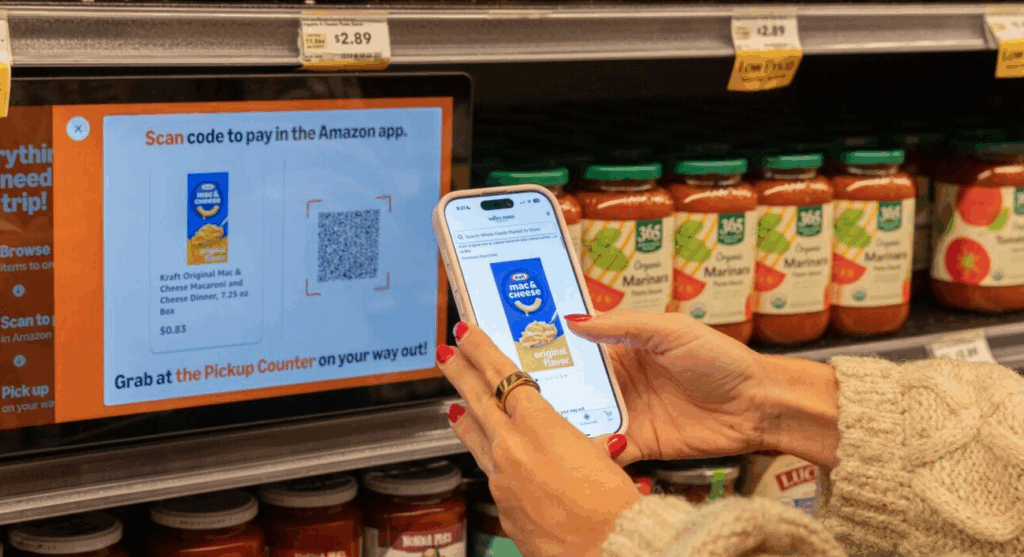
It already does this job on the digital shelf, where packaging graphics are often the only visible “ad unit” in sponsored product listings and are an essential element of product detail pages. It’s now beginning to do the same thing on the agentic shelf, where visual recognition, product data, ratings, claims, and content signals can shape what an AI shopping assistant recommends. At Mars United, we’re working with clients to develop “digital shelf optimized” packaging that will have the necessary impact online and wherever agentic shopping experiences are forming while still driving engagement on the physical shelf.
And while promotional packaging has long been a common tool in both national brand campaigns and retailer-specific programs in the commerce arena, it’s rarely considered when developing a media strategy — especially now that in-flight, real-time optimization has become a standard part of best-in-class activation. This separation becomes even more limiting in agentic commerce, where a package is not only persuading people but is also a source of inputs for the systems helping those people shop.
The disconnect is understandable, given the longer lead times, additional costs, and operational issues involved in package redesigns — which typically are handled by different decision makers in the organization, too. But the idea that packaging and advertising were separate activities has never been accurate, and it’s even less true today as agentic commerce begins to reshape product discovery, comparison, recommendation, and possibly even brand loyalty.
Wrapping Up Loyalty
Packaging’s impact on sales, brand perception, and discoverability is well understood. But another inaccurate idea is that packaging can’t help build brand loyalty — especially as shoppers begin relying on agents to narrow choices, validate claims, and simplify decisions.
And the difference between driving a single purchase and gaining a lifetime customer is becoming ever-more important as shoppers continue moving toward conversational search engines, visual search, and shopping assistants that can make recommendations before the brand has any direct communication with the shopper.
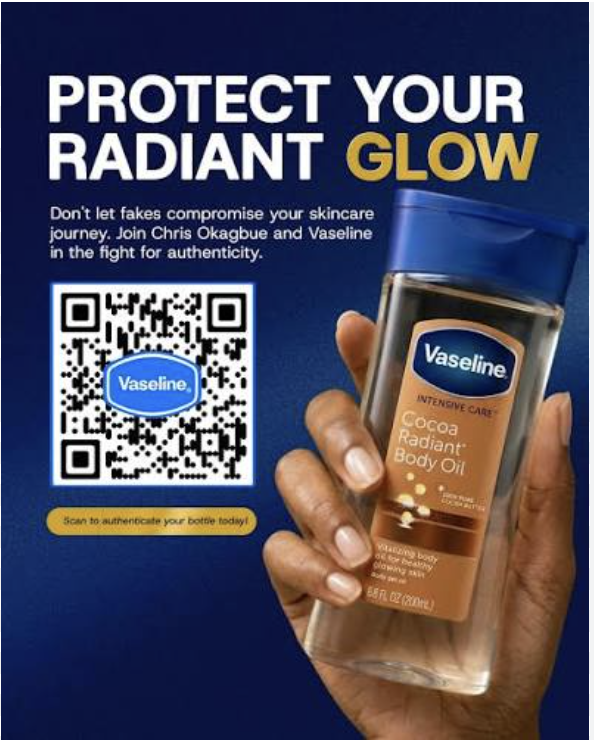
At Publicis Commerce, we’re looking closely at the various ways in which commerce, CRM, and agentic experiences are converging. The use of QR codes and other on-pack links can enhance the immediate shopper experience, initiate two-way dialogues with shoppers, and create the kind of structured signals that help brands remain visible and useful as agentic shopping becomes more common.
One of the best examples I’ve seen recently is a campaign from our Publicis Groupe colleagues at Leo Singapore that won a Gold Lion at this year’s Cannes festival. The campaign was designed to tackle a significant business challenge for Unilever’s Vaseline in the Nigerian marketplace, where the brand is constantly fighting against fake products — which cause confusion among consumers and pose a threat to brand loyalty.
To combat the problem, Unilever added a QR code to its packaging that shoppers can scan to submit a photo of the package and verify through a WhatsApp tool that they’re buying real Vaseline instead of a counterfeit product. (The media campaign, by the way, brilliantly tapped into memories of an infamous email scam by using a real-life Nigerian prince to be spokesperson.)
This is a great example of the way packaging can solve functional problems for a brand and its shoppers while at the same time building a memorable brand experience. It also literally illustrates how packaging can become an interactive gateway: a signal to the shopper, a data point for the brand, and increasingly, a source of context for the agents that will help shoppers decide what to trust and buy.
And when you’re talking about lifetime value, the length of time it takes to redesign packaging isn’t a liability. Most brand campaigns these days are constructed to give shoppers instant gratification and the brand an immediate lift. When you have longer-term objectives like lifetime value in mind, campaigns need more time to work. A package redesign can help pump the brakes a little — and ensure that what the agentic shelf sees, reads, and repeats is what the brand actually wants shoppers to understand.
Packaging for Shoppers and Agents
As marketers, we must consider all the touchpoints and communication vehicles available and understand how each affects shopper perception. That now includes the agentic shelf. As brands build their own agentic experiences, conversational search engines and shopping assistants are creating two-way dialogues without them: Someone can pull up an agent, scan a package, ask for a recommendation, and begin a conversation that leads to a purchase. What is your packaging saying to the agent? And just as importantly, what is the agent telling that person about your brand?
We’ve been encouraging our teams and clients to visit the store, stand in the aisle, open ChatGPT or another agent, hold up their cameras and say, “I’m looking for this type of product, what do you recommend?” The answers we get are based heavily on the packaging — the claims, cues, and context the agent can see and interpret.
You may not be happy with the responses we get, but you’ll learn how agents are talking these days, and you might even pick up a few pointers for your next package redesign.
You’ll also see firsthand how commerce shelves are rapidly converging, and how packaging can provide a foundational link across the physical, digital, and agentic shelves.
About the Author

As President of Mars United Commerce, Amy Andrews leads the commerce marketing company’s strategy and operations in North America. She has spent her 20-year marketing career focused on understanding how shoppers shop and creating engaging commerce experiences on both the agency and client side, including leading the shopper marketing & insights team at Ubisoft Entertainment.
In her nearly 15 years of tenure at Mars United, she has co-founded an in-house strategic consultancy, launched the first international office in London, and opened the company’s first Seattle office to service Mars’ clients’ growing Amazon business. Most recently, she served as Chief Business Strategy Officer, overseeing activity for all North American brand clients. Amy became President when Mars United Commerce was acquired by The Publicis Groupe in 2024.