
By Prabhpreet Sidhu, Mars United Commerce
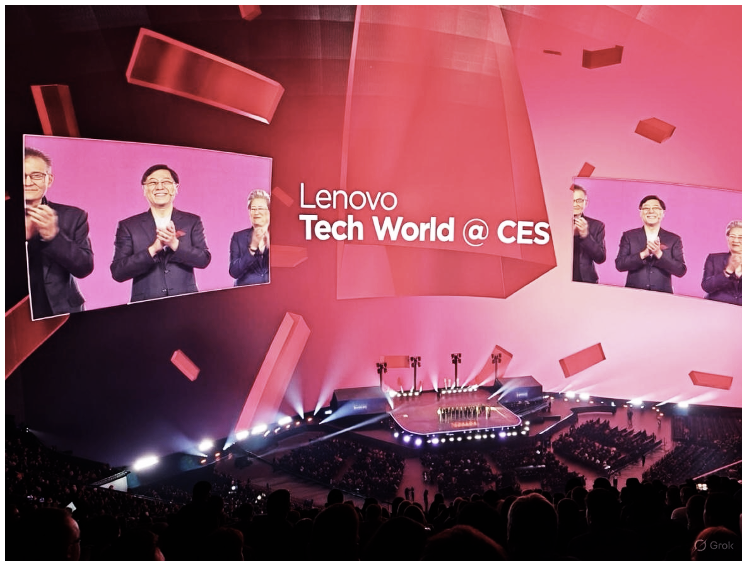
The dust has settled on CES 2026, held in Las Vegas from January 5-8, where the event’s record-breaking 148,000-plus attendees and 4,100 exhibitors underscored a pivotal moment in technology.
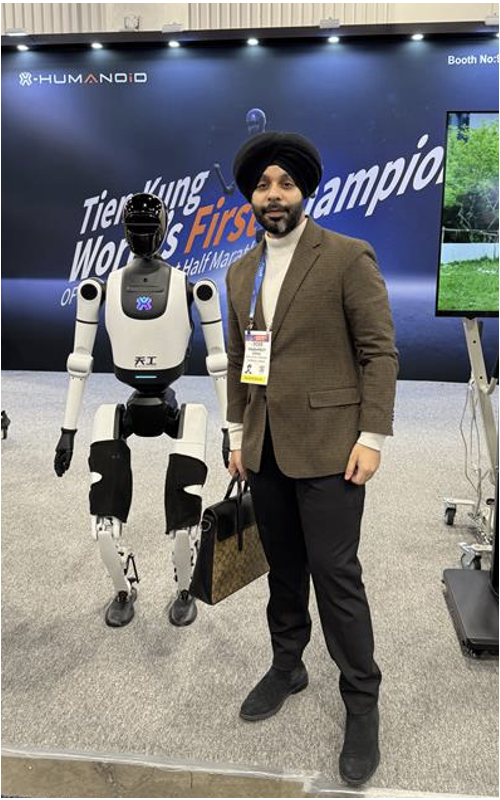
This year’s show moved beyond the AI frenzy of previous editions, delivering pragmatic innovations that promise to reshape industries. From AI’s seamless integration into everyday life to the rise of robotics and sustainable solutions, CES 2026 emphasized human-centered tech that solves real-world problems.
The theme is clear: This year is not about AI potential but AI utility. We have crossed from experimentation to execution. In this article, we’ll explore my top takeaways, dive deep into the emerging trend of “Physical AI,” and analyze what it all means for commerce.
Top Takeaways
CES 2026 marked a maturation in technology, where hype gave way to utility. Here’s a breakdown of the key themes that dominated the show floor.
AI has become the invisible backbone: It is no longer a flashy add-on; it’s the foundational element embedded in products across the board, akin to the “IoT moment” when connectivity became expected for all tech. Attendees saw AI agents boosting productivity, digital twins simulating complex scenarios, and on-device processing prioritizing privacy in wearables and smart homes.
NVIDIA stole the spotlight with breakthroughs in industrial AI, automotive tech, and developer-friendly tools offered for free — signaling democratized access to advanced capabilities. The infrastructure battleground heated up with the NVIDIA vs. AMD chip race focusing on faster inference, cheaper computing, and real-world deployment at scale.
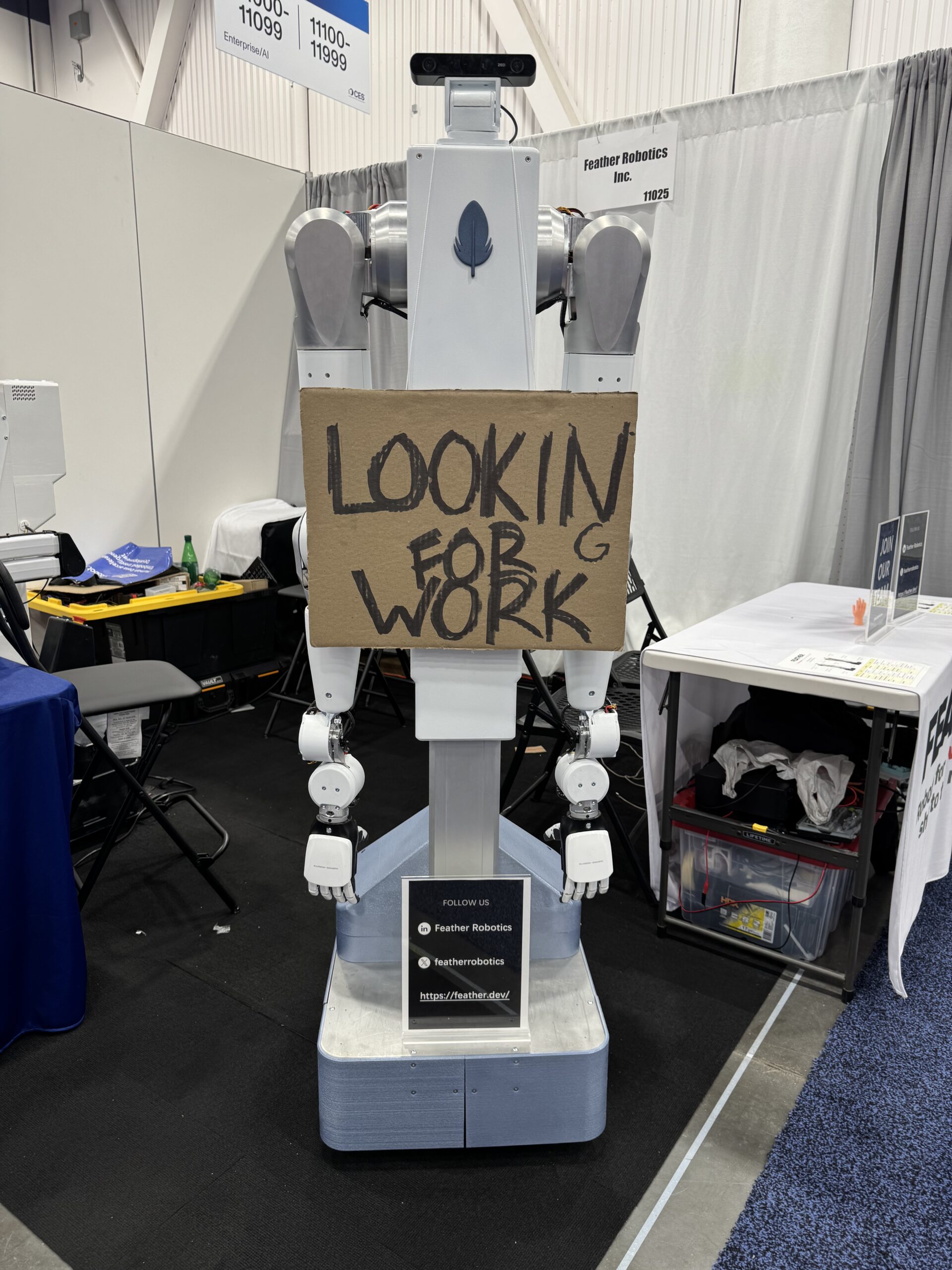
Robotics and Physical AI take center stage: The real showstopper was the surge in robotics, now rebranded as “Physical AI” — systems that merge generative AI with physical hardware to perform tasks like giving massages, folding laundry, preparing meals, hosting poker games, and even playing chess. Highlights included updated humanoid robots from Boston Dynamics and collaborative automation from Universal Robots and Robotiq that transform factories and homes alike. One demonstration featured robots browsing job listings and applying for work, a playful but pointed glimpse at labor market implications.
Not every application found its footing. Some exhibitors showcased what might be called “problems looking for solutions,” such as robots performing yoga poses and weightlifting — impressive from an engineering standpoint but without clear consumer utility. These demonstrations highlighted the gap between technical capability and market need.
Robotics is moving from concept to product, with a focus on utility to remove friction and save time. One key shift: “local AI” on owned devices for enhanced security, cost efficiency, and real-time physical interactions — eclipsing cloud-dependent chatbots.
Advancements in health and accessibility: Health tech shone brightly, with innovations targeting wearables, women’s needs, mental wellness, and data analytics to bridge care gaps. Standout products included AI-driven precision medicine, telehealth platforms, and pet-focused devices like the Satellai Collar Go for health monitoring. Wearables are becoming invisible: less screen and more signal, where context replaces interruption. Accessibility took a leap forward with AI-enabled tools for independent living, such as advanced mobility aids.
Mobility innovation accelerates: Mobility was a hot topic, as seen in autonomous vehicles through partnerships like Uber with Lucid and NVIDIA. The scope expanded to air, land, and sea, including electric vehicles, agricultural drones, and marine tech that painted a picture of interconnected, efficient transportation.
Sustainability drives energy solutions: With AI’s energy demands in mind, exhibitors showcased alternatives like solar, wind, and nuclear power. A critical focus was data infrastructure, highlighting the need for massive storage solutions to prevent AI bottlenecks.
Consumer gadgets blend form and function: Trends among noteworthy products leaned toward retro-tactile interfaces, smart glasses, foldable phones, and premium audio that prioritized the user experience over novelty.
Spotlight on Physical AI: The Next Frontier
One trend that demands special attention is Physical AI, which CES 2026 positioned as the evolution of artificial intelligence into tangible, interactive forms. The headline: robots, vehicles, and devices that sense and act in the real world. But for commerce, the more consequential shift is structural.
We are moving from generative AI that generates to agentic AI that executes, orchestrating workflows and task completion where ROI stops being theoretical. This is the foundation of agentic commerce. Shopping decisions, discovery, and execution increasingly happen through AI systems acting on behalf of consumers, not just responding to them.
Defining Physical AI: At its core, Physical AI combines AI algorithms with sensors, actuators, and control systems to navigate and manipulate the real world, adapting to variables like weight limits or spatial constraints. Demonstrations ranged from robots handling household chores to NVIDIA’s industrial and automotive showcases. The human element was key; designs focused on emotional connections, such as companion robots, and a return to tactile interfaces for reliability.
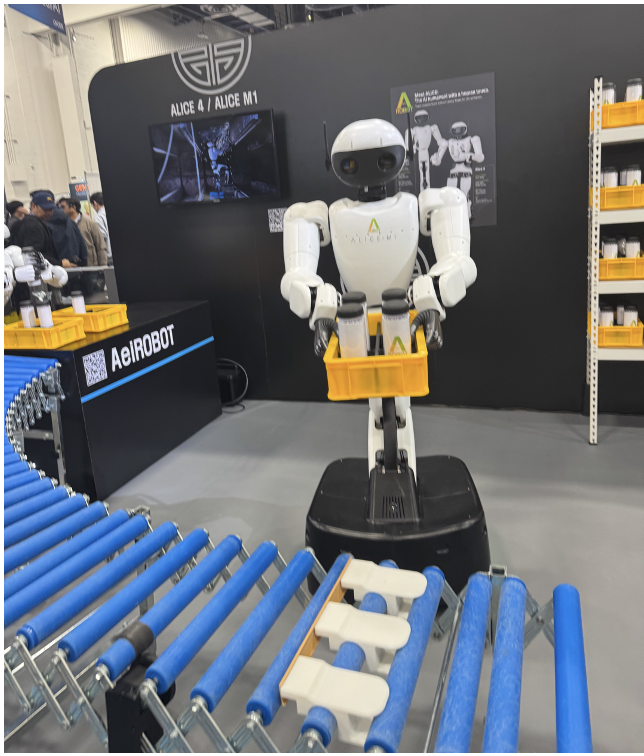
Why it’s a game-changer: CES 2026 made it perfectly clear that robotics and AI have found some product-market fits. Winning applications share two characteristics. First, they perform tasks humans don’t want to do, whether folding laundry, vacuuming floors, or handling repetitive warehouse work. Second, they create efficiencies in volume-driven tasks where speed, precision, and consistency matter more than creativity.
Physical AI is transforming sectors such as manufacturing, healthcare, and mobility by automating complex tasks and reducing human friction. It goes beyond digital assistants, offering versatile, locally run solutions that prioritize privacy and efficiency. Looking ahead, expect it to proliferate in adaptive home aids and workplaces, with an emphasis on safety and optimization.
What This Means for Commerce
The innovations unveiled at CES 2026 are set to revolutionize commerce by enabling agentic systems, personalized experiences, and hybrid retail models. As agentic AI gains traction, businesses must adapt to a landscape where discovery, engagement, and transactions are increasingly automated and intuitive.
Some key signals that stood out:
- Infrastructure is the battleground. The NVIDIA vs. AMD race involves faster inference, cheaper computing, and real-world deployment at scale.
- Microsoft announced a partnership with our colleagues at Publicis Media and Epsilon to deliver AI-driven audiences that learn and adapt continuously, a shift away from static segments.
- Wearables are becoming invisible. Less screen, more signal. Context replaces interruption.
For commerce marketing, the focus must shift from fragmented touchpoints to connected shopper journeys. Brand and commerce marketing can no longer operate as separate systems. AI enables integration across discovery, decisioning, conversion, and retention into one continuous experience.
As Criteo CEO Michael Komasinski put it: the “death of” narrative is null and void. AI is incremental, not a replacement. Channels are not dying; they’re getting smarter and more connected.
One reminder reinforced at CES: technology amplifies culture, it does not create it. Attention is scarce, and authenticity still wins.
Transforming commerce operations: Agentic AI will redefine buying and selling, evolving searches into conversational recommendations. Walmart’s Sparky, infused with ads, exemplifies this, alongside tools for automated bid management. Shoppable content is expanding, with AI enabling interactive videos and offsite integration like NBCUniversal’s media sales platforms. “Commerce media” is merging with mainstream channels, as seen in Pinterest’s visual focus to lure Gen Z shoppers. Physical AI adds a layer by deploying robots for in-store tasks, blending online personalization with brick-and-mortar efficiency.
Analytics in the AI era: Personalization will scale dramatically, flattening traditional funnels, elevating creators as key partners, and fueling a projected $500 billion in North American social commerce. Agencies are leveraging AI for dynamic content and placements, treating it as essential software. As search evolves, brands should prioritize visual platforms and AI-optimized touchpoints. Physical AI introduces emotional elements, like robotic influencers guiding purchases. Robust data infrastructure, including high-capacity storage, is crucial for AI-driven insights and ROI measurement.
Marketing will also need to be more embedded and integrated into the user experience so it doesn’t feel like typical advertising. This will require better messaging, stronger relevance, and deep personalization. The brands that win will create ads that deliver value rather than interrupt.
One timely example: OpenAI’s recent move to test ads in ChatGPT (for users in its free and Go tiers) places conversation-based sponsored content at the bottom of responses. This highlights how AI platforms are integrating advertising to sustain growth, offering marketers new avenues for contextual, conversation-driven promotions.
Conclusion
The call from CES 2026 is for brands to move beyond experimentation and embed AI into core strategies that will drive seamless, human-centric commerce. Yet the central message remains: AI complements human capability; it is incremental, not a replacement. Humans are still essential for strategic tasks, for defining what “good” looks like, and for training AI systems to deliver meaningful outcomes.
This is precisely why culture and taste matter more than ever. When AI handles execution, the differentiator becomes the quality of human judgment shaping it. Brands that understand their audience’s values, aesthetics, and preferences will be best positioned to guide AI toward resonant, authentic experiences.
The immediate priority for brands should be data infrastructure. AI is only as good as the data it can access. Before chasing the latest AI applications, organizations need to ensure their data foundations are solid: clean, connected, and accessible. Without this groundwork, even the most sophisticated AI tools will underperform.
Looking ahead, personalization must extend beyond human consumers to the agents acting on their behalf. Brands will need to optimize for both humans and AI agents, ensuring their products, content, and experiences are discoverable and compelling to the algorithms that increasingly mediate purchase decisions. This fusion of digital and physical worlds unlocks efficiency, loyalty, and untapped revenues, positioning early adopters for success in a tech-driven market.
About the Author

Prabhpreet Sidhu brings a technically diverse background and wealth of experience to his role as VP-Analytics for Mars United Commerce, where he excels in delivering impactful data analytics solutions. With over 10 years of solutions architecture experience at leading organizations such as The Walt Disney Company, he has developed groundbreaking business intelligence and artificial intelligence solutions, including real-time automated measurement, multi-touch attribution, and customer segmentation.