
The combined operation could give CPG advertisers a greater opportunity to influence numerous consumer occasions at scale.
By Heather Luna, Mars United Commerce
The planned acquisition of Instacart by DoorDash announced last week doesn’t just represent a consolidation of on-demand delivery services. It also signals the continued convergence of retail media, commerce data, and fulfillment, and could create another scaled commerce media ecosystem competing for investment from CPG brands.

Instacart brings to the merger deep relationships with grocery retailers that includes operation of their websites and retail media networks, the latter via its Carrot Ads technology; ODD rivals Gopuff and Uber Eats, along with supermarket chains Hy-Vee, Schnucks, and Sprouts Farmers Market, are among the clients.It also boasts a wealth of high-intent grocery purchase signals and well-established retail media capabilities.
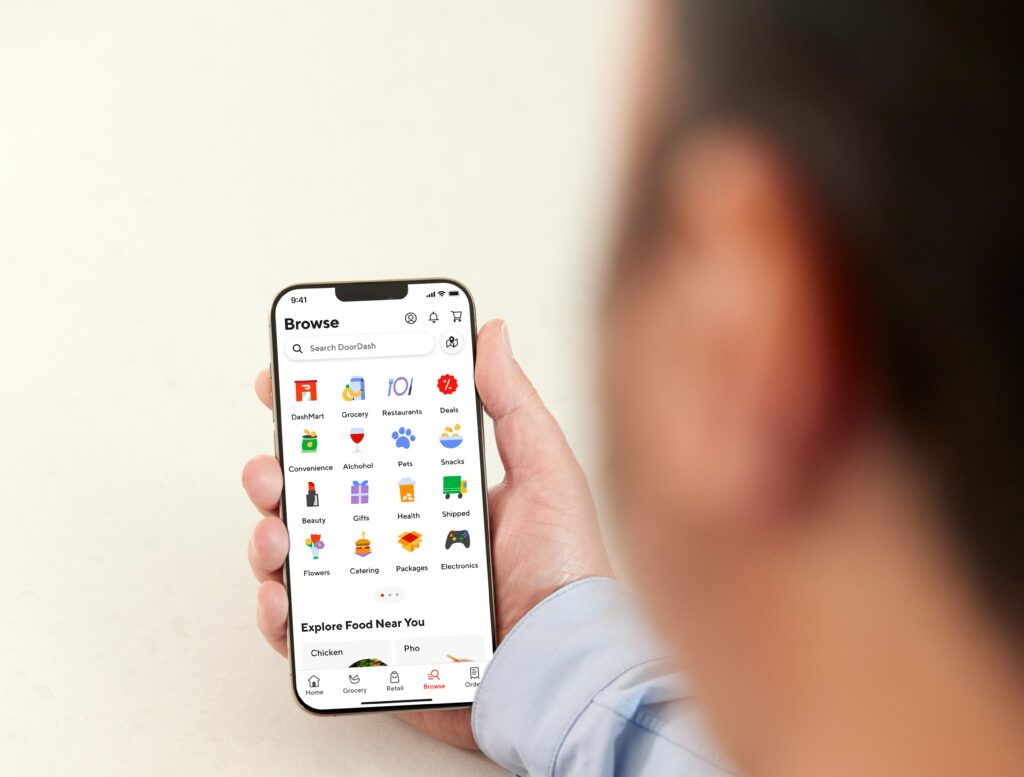
DoorDash brings scale across restaurants, convenience stores, and other local commerce businesses, and a retail media operation that has also made some headway in the U.S market thanks in part to its ODD partnerships with leading grocers including Kroger. Earlier this year, it forged a pact with Dollar General that lets CPG advertisers activate campaigns across both companies’ search environments.
Although the companies have not unveiled any plans to combine their retail media operations, industry analysts expect that to be the case. DoorDash is setting a precedent for itself in Europe, where it has announced plans to integrate the retail media platforms of its flagship, Deliveroo, and Wolt ODD services into one platform.
And the combined DoorDash+Instacart could give brand partners a broader and perhaps clearer view of where, when, and why consumers shop, while creating stronger competition in the retail media space for Amazon and Walmart.
What It Means for Brands
1. Retail media could move beyond the grocery transaction.
Instacart has built its media value around reaching grocery shoppers close to the point of purchase. DoorDash potentially adds a different set of signals across restaurant, convenience, and other consumption occasions. Connecting those behaviors could help CPG marketers move beyond targeting based primarily on what consumers buy to better leverage the occasions driving those purchases.
This is compelling for food and beverage brands in particular. The same consumer may order restaurant delivery on Friday, make a convenience purchase on Saturday, and replenish their groceries on Sunday. Connecting those signals could create new possibilities for audience development, activation, and measurement.
The opportunity includes both greater audience reach and a richer understanding of consumer demand.
2. Increased scale makes incrementality more important
A broader ecosystem will create a compelling scale story for advertisers. But bigger doesn’t automatically mean better. If the same high-value consumers already shop across both DoorDash and Instacart, brands need to determine whether they’re reaching new households and generating new demand or simply paying to reach existing shoppers more often.
That places greater importance on deduplicated reach and frequency, new-to-brand measurement, and incrementality. For CPG marketers, one key question should be: What consumers, occasions, and sales can this ecosystem deliver that we’re not capturing elsewhere?

3. CPGs could gain another scaled option
Amazon and Walmart have built powerful ecosystems connecting shoppers, data, media, commerce, and fulfillment.
DoorDash+Instacart could offer a different model that connects brands with consumers across a vast network of grocers, restaurants, convenience stores and other retailers rather than within a single, retailer-owned ecosystem.
That could make it an important complement to Amazon and Walmart strategies and give brands an alternative method of accessing consumers and commerce occasions across an increasingly fragmented retail landscape. The question will be what distinct role each ecosystem should play in the brand’s overall commerce strategy.

The Mars United Take
The creation of an ODD superpower with warehousing operations is certainly intriguing. But from our vantage point, the most significant opportunity coming out of a DoorDash-Instacart merger is the potential integration of commerce signals, media placement, and fulfillment across more consumer occasions. That’s an exciting proposition for CPG marketers.
But greater scale will bring greater accountability. Brands should expect any combined offering to clearly demonstrate incremental audiences, incremental occasions and incremental sales before it earns any incremental investment.
As Amazon, Walmart and DoorDash+Instacart compete for a greater share of the consumer journey, winning CPG brands will identify where each ecosystem delivers something genuinely differentiated and invest accordingly.
In the next phase of commerce media, brands and retailers will stop worrying simply about who owns the transaction and start finding ways to better understand, influence, and fulfill the consumer occasion. That’s something a united DoorDash+Instacart could deliver.
About the Author

Heather Luna is Senior Commerce Media Director at Mars United, where she helps clients build and activate retail media campaigns with leading on-demand delivery platforms. She returned to the agency in 2023 after serving nearly eight years in ecommerce and omnichannel roles at The Clorox Company.