
By Tiffany Dockery & Diane Bollig, Publicis Commerce
It’s an omnichannel world, and brands have to decide how boldly they want to show up in it.
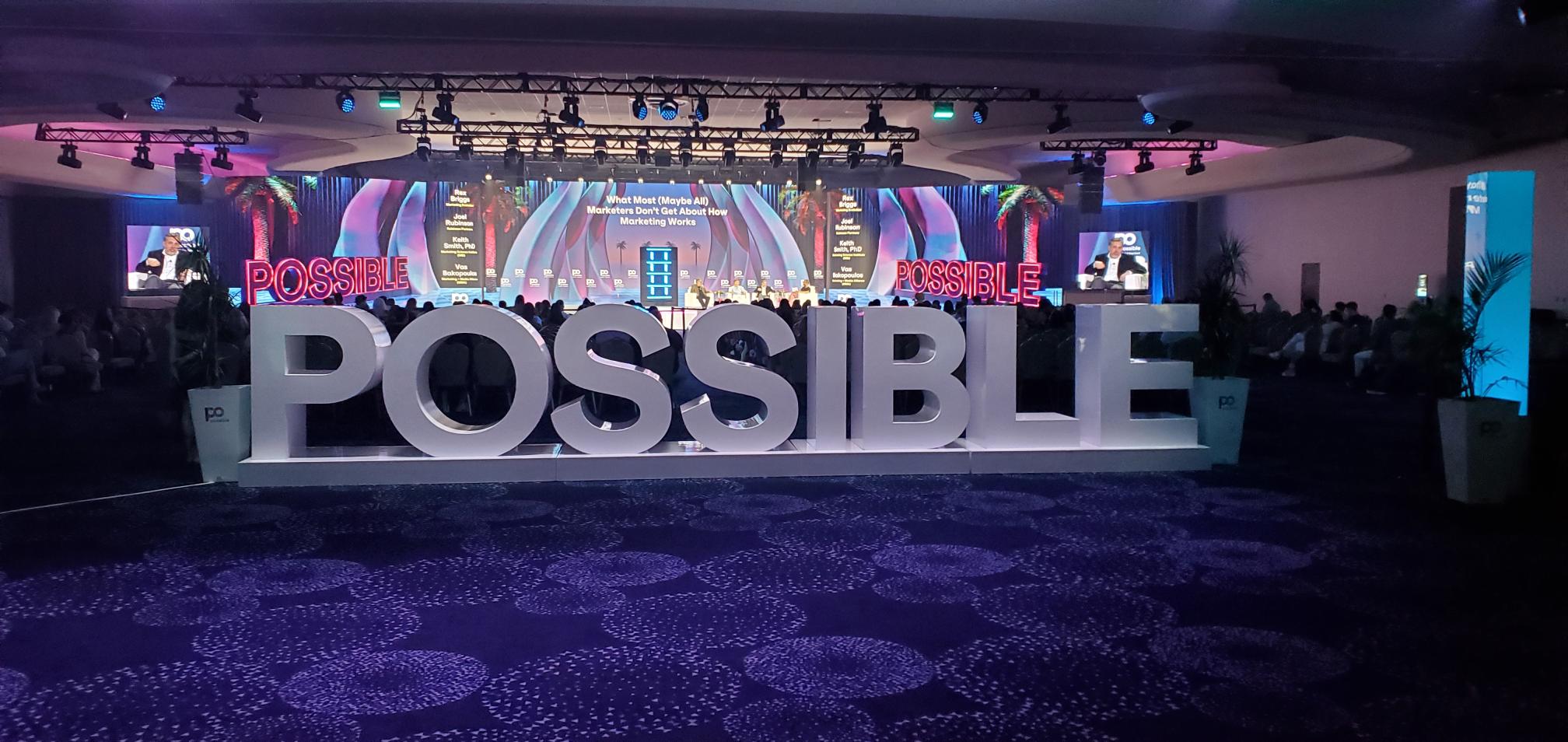
That reality was fully evident at the POSSIBLE 2026 conference in Miami, where more than 7,000 marketers converged in late April for three high-energy days of ideas, new perspectives, and connection. With over 200 speakers taking the stage, the conversations reflected where the industry currently stands — but also clearly pointed to where it’s heading, across five defining themes.
1. AI: From Experiment to Execution
The energy and tone around AI were noticeably strong in many sessions, and speakers kept returning to a simple but critical idea: Progress won’t come from waiting for perfect AI use cases, but from a willingness to test, learn, and iterate quickly. The brands pulling ahead are building the infrastructure, workflows, and governance needed to make AI work in the real world rather than treating it as a side project.
Smaller, more agile brands are already tailoring content for large language models (LLMs), recognizing that product discovery among consumers is shifting quickly. Meanwhile, many larger organizations are still anchored in traditional SEO mindsets, making them slower to evolve toward AEO (“answer engine optimization”) and AI-driven visibility.
The implication is hard to ignore: As LLMs increasingly shape how consumers find and evaluate products, brands need to ensure they’re structured to show up — because if you’re not visible in these environments, you’re not in the consideration set.
Another theme gaining traction was the growing role of AI agents in the purchase journey. Rather than simply optimizing campaigns behind the scenes, these agents are increasingly acting as intermediaries; they’re helping consumers research options, compare products, and even making recommendations on their behalf. That shift raises the stakes for brands: In addition to influencing the human decision-makers, they now must ensure their products are understood, trusted, and surfaced by the systems guiding their decisions.
Again, it all comes back to the foundation: structured data, clear signals, and strong governance. Without having those in place, brands risk being invisible at the exact moment decisions are being made.
Takeaway: AI advantage won’t come from experimentation alone. It will come from building the right foundation and moving quickly enough to learn, adapt, and stay visible in the new AI-shaped path to purchase.
2. Retail Media Still Matters — More Than Ever
Despite rapid innovation across AI platforms, retail media remains a foundational pillar of modern marketing — not necessarily as a standalone channel, but because of its ability to elevate the entire media ecosystem.
Shoppers increasingly are using AI search to research products and inform purchase decisions, but strong PDPs and on-site experiences on retailer websites remain critical. AI platforms (like ChatGPT and Google) may be sending them to retailer.com with a specific product in mind, but shoppers are still engaging with brands and building their baskets once they get there, according to research from EMARKETER and Publicis Commerce.
When integrated effectively, retail media informs targeting, fuels creative relevance, and strengthens measurement across upper- and lower-funnel investments. It should help level up all media: rather than competing with broader efforts, it can act as connective tissue, bringing commerce signals upstream and ensuring that every impression works harder. In an increasingly fragmented landscape, retail media continues to anchor strategy in real consumer behavior where intent is highest.
Takeaway: Even as shopping options expand, transactions still converge at retail: 69% of transactions influenced by AI agents take place through the retailer’s app or website, and 14% happen in physical stores, according to the study.
3. Sports & Entertainment: The New Storytellers
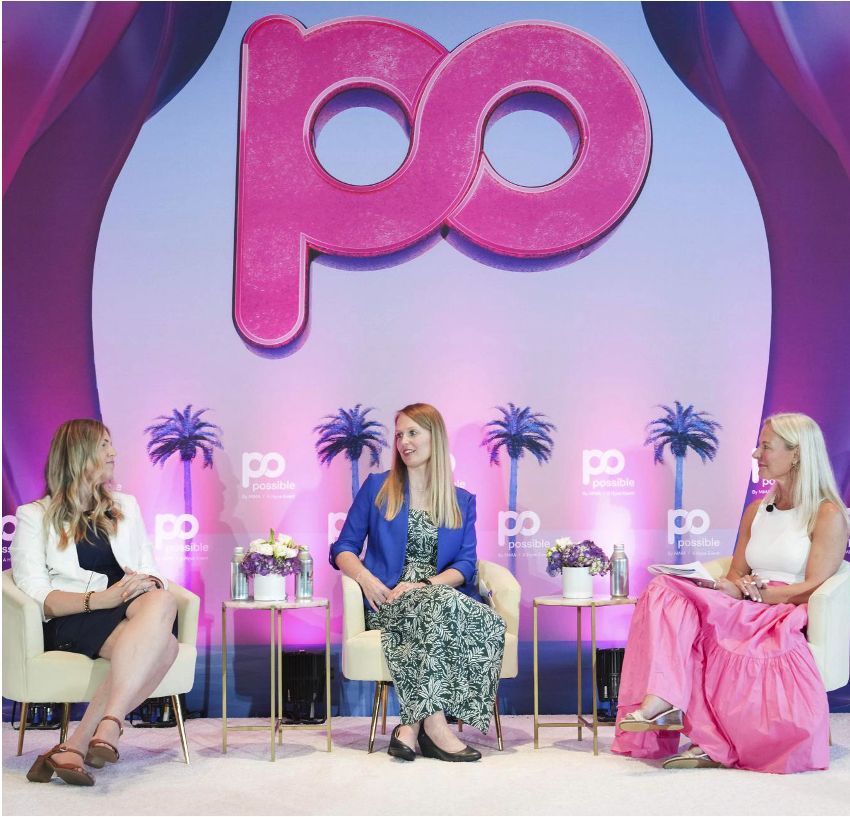
Sports and entertainment have become some of the more powerful engines of culture, and the conversation at the POSSIBLE Conference made it clear that their role is expanding. From the rapid rise of women’s sports to the cultural momentum behind properties like Formula 1 racing and emerging platforms such as the Athlos track & field league, brands can discover new ways to embed themselves in communities where passion already lives.
What stood out most is the way accessibility is redefining engagement. As the Cadillac Formula 1 team shared, not every fan can make it trackside, but that doesn’t mean they can’t be part of the experience. Immersive, off-track activations during race week extend the sport’s energy beyond the racing venue and open the door for broader participation.
The same shift is happening in entertainment. TikTok is partnering with production company HOORAE Media to reimagine storytelling through mobile-first formats such as “Minute Soap” micro-dramas like Screen Time. This snackable, serialized content is designed for the way audiences actually consume today. For brands, it’s a new creative canvas: culturally relevant, native to the viewing platform, and far easier to produce and scale.
Takeaway: The future of sports and entertainment marketing will be driven far less by providing access to the main stage and more by meeting audiences wherever they’re experiencing the moment and turning cultural passion points into everyday, scalable connections.
4. Data, Measurement & the Shift to Outcomes
As marketing grows more complex, measurement is becoming sharper, more disciplined, and far less forgiving of ambiguity. This trend came clearly into focus during a session with Publicis Commerce’s Diane Bollig alongside Kim Winburn of Mars Petcare and Robin Wheeler of Fetch Rewards.
Their discussion, “What Does it Take to Prove Incrementality,” underscored a critical evolution in measurement: it’s no longer enough to report performance; marketers are being asked to prove real business impact. The emphasis is now on tying investments directly to tangible business results, redefining how success is evaluated across channels. At the same time, better use of data and insights is enabling a deeper understanding of consumer behavior, allowing marketers to improve experiences across the entire shopping journey.
Many fundamentals remain the same, such as aligning business KPIs, measurement frequency, and the value of third-party validation. The future belongs to teams that can translate data into decisions, leveraging advanced analytics to move beyond performance reporting to prove incrementality and, thereby, actively shape business decisions.
Takeaway: Teams that can demonstrate incrementality and translate data into real business decisions will outperform those still relying on proxies and reporting alone. Brands must also remember to set aside some budget for test & learn opportunities.
5. The Creator Economy is Maturing
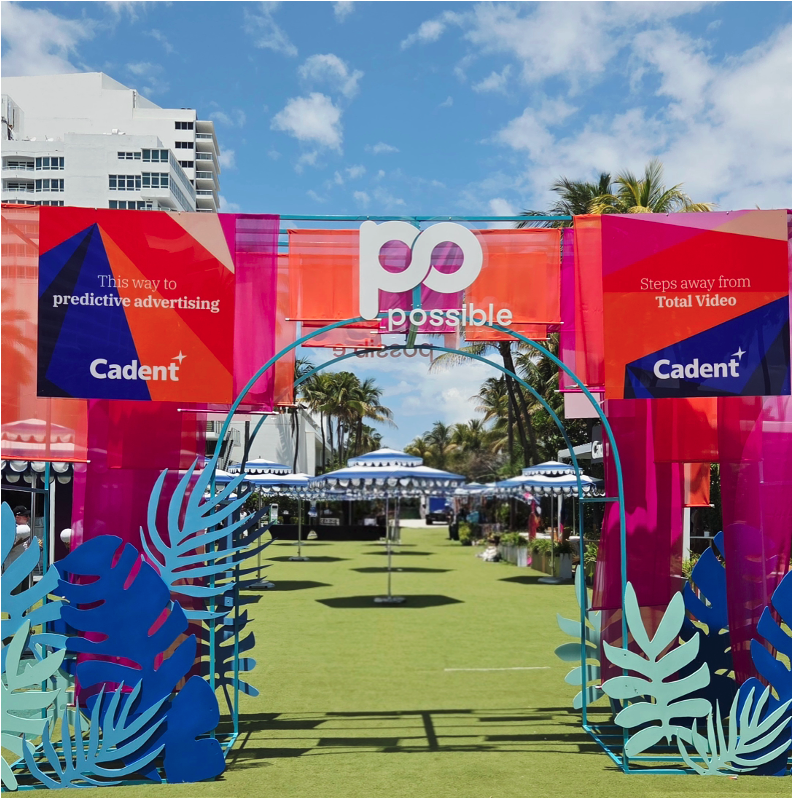
What once was viewed as an experimental or supplemental tactic has matured into a core marketing discipline. The rise of dedicated programs like POSSIBLE’s “Creator Economy Academy” reflects how seriously brands now take creators as business drivers, not just cultural connectors.
The focus now is on collaboration, creativity, and — critically — accountability. Platform-specific strategies across LinkedIn, Meta, TikTok, and YouTube are pushing brands to move beyond reach and engagement toward performance-based metrics that ladder up to business outcomes. As a result, creator partnerships are becoming more structured, scalable, and measurable, earning their place alongside more traditional media investments.
Takeaway: The creator economy has entered a performance era. Brands that treat creators as accountable business partners, with platform-specific strategies tied to measurable outcomes, will unlock scalable impact alongside traditional media. The challenge is continuing to balance the creative freedom with brand need to authentically reach the target audience.
About the Authors

Tiffany Dockery is Vice President of Client Leadership-NA at Publicis Commerce. With more than 15 years of experience spanning brand, retail, and agency environments, she specializes in building innovative, insight-driven programs that translate emerging capabilities into meaningful business impact for clients.

Diane Bollig is Senior Director of Client Leadership at Publicis Commerce, where she helps clients plan and optimize all aspects of driving trial and household penetration among shoppers. She has spent over 15 years translating data-driven insights into actionable strategies that increase shopper engagement, accelerate trial, and deliver measurable sales results.